
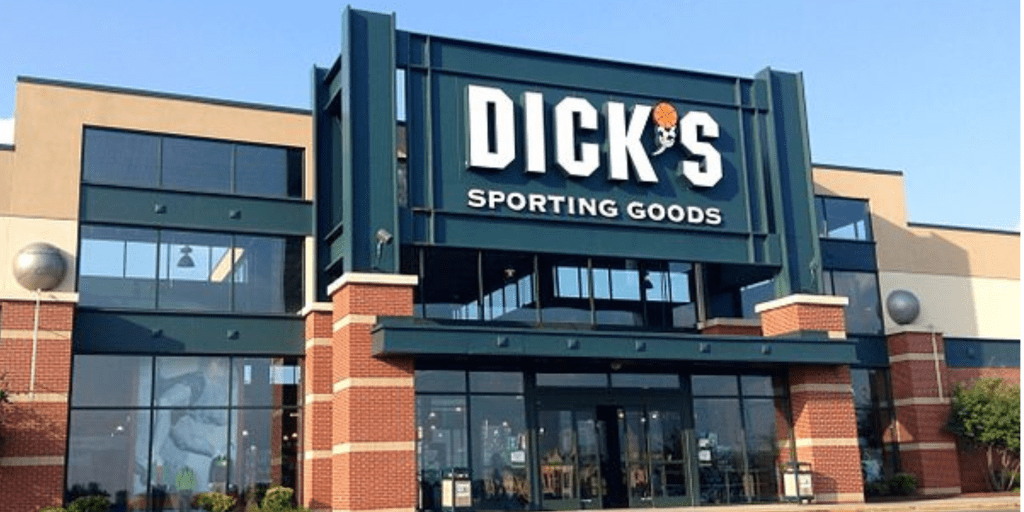
Dick’s Sporting Goods has completed its $2.4 billion acquisition of Foot Locker, a move that will send shock waves through the retail and sports industries alike.
This strategic merger not only consolidates two retail giants, but also reshapes the landscape of sneaker deals and athlete sponsorships.
It also closes rivalry chapter between Foot Locker and Champ’s for good, as now both chains are now owned under the Dick’s Sporting Goods conglomerate and will bring profit to the same holding company.
The Acquisition: A Strategic Power Play
On September 8, 2025, Dick’s Sporting Goods finalized its acquisition of Foot Locker, creating a formidable presence in the global sports retail market.
With this deal, Dick’s expands its footprint to over 3,200 stores across North America, Europe, Asia, and Australia. Now positioning itself as a dominant force in the sneaker and athletic apparel sectors.
Foot Locker, known for its extensive portfolio including Champs Sports, WSS, and Atmos, will all continue to operate as standalone entities under the Dick’s Sporting Goods umbrella.
The leadership team comprises experienced executives, including Ann Freeman, a former Nike executive, who has been appointed President of Foot Locker North America.
Impact on Sneaker Deals
The merger between Dick’s and Foot Locker signifies a significant shift in the sneaker retail landscape.
By combining forces, the two companies enhance their purchasing power, enabling them to negotiate better terms with suppliers, and secure exclusive product releases.
It also closes the gap on competition, as Foot Locker’s main competitor Champs is now under the same name. This consolidation allows for a more streamlined supply chain and improved inventory management, ensuring that popular sneaker models are readily available to consumers.
It can also ensure that customers are able to get their favorite sneakers from the chain nearest them, rather than having to go between stores to find a specific shoe or apparel item.
Furthermore, the expanded retail network provides brands with a broader platform to showcase their products, reaching a more extensive customer base across various regions.
This increased visibility is expected to lead to higher sales volumes and greater brand recognition, benefiting both established and emerging sneaker brands.
When a merger happens and competition is condensed, it allows for the main brand (Dick’s) to operate to a wider audience and create a larger brand recognition.
Opportunities and Challenges
The merger also opens new avenues for athlete partnerships. With an expanded retail presence and enhanced brand portfolio, Dick’s and Foot Locker can collaborate with athletes to create exclusive product lines and marketing campaigns that resonate with consumers.
These partnerships can leverage the combined reach of both companies, amplifying the impact of athlete endorsements and driving sales.
However, the consolidation does also present challenges. The increased control over retail channels may limit the bargaining power of individual athletes and brands, as the merged entity becomes a more dominant player in negotiations.
Additionally, the integration of different corporate cultures and operational systems may pose hurdles in aligning strategies and objectives. When teams are used to competing against each other, it can be hard to get them to all share a common goal overnight.
While it will come over time, it will be interesting to see how the difference in marketing teams work together and if Dick’s will decide to keep both teams or begin the laying off of certain employees from either side. In other terms, the competition will live on, just inside the walls of the Dick’s Sporting Goods offices and not out on the open retail market.
Broader Implications: Industry-Wide Effects
The Dick’s and Foot Locker merger sets a precedent for future consolidations in the retail sector.
As companies seek to enhance their competitiveness and profitability, similar mergers may occur, leading to a more concentrated retail landscape.
An issue with this however, is that while this is not considered direct monopolization of the sneaker and sports apparel chains, it will make the difference in options seemingly shrink. In more business depth terms, this trend could result in fewer but larger retail entities, potentially impacting consumer choice freedom and sports retail market dynamics.
For athletes and brands, the changing retail environment underscores the importance of adaptability and strategic partnerships.
Navigating the evolving landscape will require a keen understanding of market trends, consumer behavior, and the shifting power dynamics within the retail sector.
A New Era in Sneaker Retail
The acquisition of Foot Locker by Dick’s Sporting Goods marks a transformative moment in the sneaker and sports retail industries.
While presenting new opportunities for growth and collaboration, it also introduces challenges that require careful navigation.
As the industry continues to evolve, stakeholders must remain agile and forward-thinking to thrive in this new era of retail consolidation.
What do you think of the acquisition? Will it make Dick’s Sporting Goods better long term, or do you think that competition is needed amongst the sports and retail industry in order to keep the freshest and hottest items available at all times?
Let us know on X @apostlesports
🔗Next Reads
- DAZN’s $3.4 Billion Foxtel Acquisition Reshapes Sports Streaming
- Apollo’s $5 Billion Private Equity Fund Explained
- Inside the NCAA’s New Partnership with Genius Sports
- NBC’s $3 Billion Olympic Media Rights Deal Through 2036
- Why Esports is Turning to Betting Sponsorships
Credits
Written by: Aidan Anderson
Research and Analysis: Apostle Sports Media LLC
Sources: Reuters, PR Newswire, Forbes, Foot Locker Press Releases & Investor Relations, Insider Interviews, APSM proprietary analysis.
Featured Image: Wiki Commons / Public Domain
Disclaimer: This article contains general financial information for educational purposes and does not constitute as professional advice.
“Rejoice with those who rejoice; mourn with those who mourn.”
– Romans 12:15














 Apostle Sports Media