
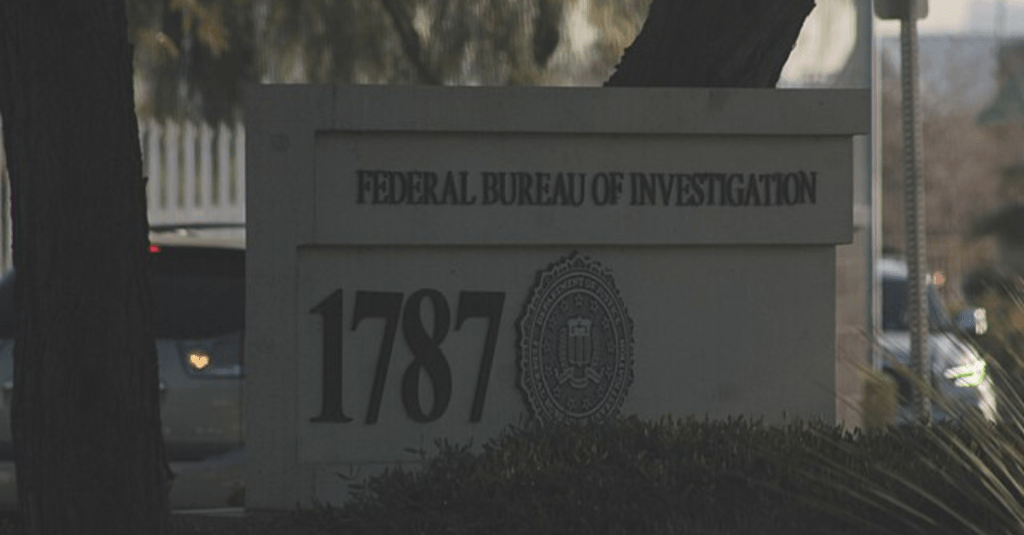
Over the last few years, the widespread legalization of sports-betting in the U.S. created a boom in the betting industry that has started bleeding directly into the pro-leagues themselves.
What began as sportsbooks on broadcasts, in-arena kiosks, and league partnerships is now creating real-world fallout for players, coaches, and staff.
Investigations, suspensions, and even lifetime bans are no longer hypothetical.
The most recent wave includes the FBI arresting Hornets guard Terry Rozier over alleged illegal betting activity on NBA games, and Portland Trail Blazers head coach Chauncey Billups being charged in connection to an illicit poker ring, along with dozens of other related arrests.
Other leagues, from the NFL to UFC to MLB, have already dealt with their own compliance issues and have suspended or even banned multiple athletes as legalized betting reshapes the sports industry.
It’s easy to frame these cases as morality plays or league-discipline stories, but that’s not the question.
The question, one few people ask is:
Why does the FBI get involved when illegal sports gambling occurs?
A gambling issue in sports trigger federal agents, wiretaps, search warrants, and organized crime statutes, often times along with league suspension and sometimes a state-level gaming violation.
Why? The answer isn’t about sportsmanship, policing vice, or protecting the purity of the game. It’s about finance, jurisdiction, and how the U.S. treats money movement.
Once gambling stops looking like entertainment and starts behaving like an unregulated financial system, moving capital, extending credit, settling debt, and operating across borders, it becomes a federal issue.
That’s when the FBI steps in.
Illegal Gambling = Financial Institution
Strip away cards, dice, sports, and parlays, and illegal gambling functions as a shadow market.
Betting operations collect capital, extend credit, settle payouts, and manage liquidity.
They track odds the same way legitimate institutions price risk, and they settle accounts like lenders collecting on short-term credit.
The crucial distinction is that none of this is regulated, no audits, no compliance, no tax reporting, and no consumer protection.
From the government’s perspective, an illegal bookmaking operation is not a hobby; it’s an unregulated financial enterprise operating outside the system.
Interstate Commerce and the Money It Moves
The FBI’s jurisdiction begins when gambling money crosses borders, either physically or digitally.
Once bets are placed across state lines, funds routed through banks, crypto rails, or payment processors, or payouts processed across jurisdictions, the activity becomes interstate commerce.
That automatically shifts enforcement from state statutes to federal law.
Most federal gambling cases aren’t really about placing bets; they revolve around the financial crimes surrounding them like money laundering, wire fraud, tax evasion, racketeering, and organized criminal enterprises, making the term RICO.
Gambling is simply the mechanism through which those financial activities are executed.
Digital Betting Broke Local Jurisdiction
Historically, illegal gambling was localized. A bookie ran operations in a neighborhood, collected bets, extended credit, and managed payouts. Local police could intervene because the activity was geographically contained.
Today the landscape is radically different. Offshore servers, encrypted apps, messaging platforms, and crypto infrastructure allow betting to move across borders with ease.
A bettor in New York can wager with a server in Costa Rica and settle the account through crypto or an online transfer that gets routed through multiple states to be untraceable.
Local law enforcement is not equipped for cross-border subpoenas, forensic accounting, or server seizure.
The FBI is.
Gambling Became a RICO Network Crime
Federal involvement accelerated after the Racketeer Influenced and Corrupt Organizations Act (RICO) went into effect in 1970.
RICO allowed prosecutors to treat gambling not as isolated vice but as part of broader criminal enterprise.
Illegal sportsbooks often interacted with loan sharking, extortion, money laundering, and tax evasion, all financial crimes that fall squarely within federal jurisdiction.
RICO gave federal investigators new tools: asset seizure, financial tracing, wiretaps, and the ability to dismantle entire operations instead of arresting individual participants.
The target shifted from the gambler to the network.
Integrity Risks and Market Incentives
Sports betting expands the risks beyond money movement.
From an FBI viewpoint, sports wagering carries potential threats to market integrity, point shaving, insider information, match fixing, or manipulation of outcomes.
Even if incidents are rare, the stakes are high because sports have become financial assets.
Leagues, broadcasters, media companies, technology firms, sportsbooks, and investors now treat sports as billion-dollar economic products.
Protecting those markets from corruption is a rational federal mandate, not a moral one.
Why States Alone Don’t Handle It
States maintain jurisdiction over gambling in the narrow sense, they regulate casinos, sportsbooks, horse racing, and betting infrastructure within their borders.
State power ends quickly once operations move across boundaries. States cannot compel cooperation across jurisdictions, subpoena overseas companies, or investigate complex financial movement.
They are equipped for local enforcement, not international financial crime.
Federal agencies, by contrast, are built to follow the money.
Federal Relevance
Legal sports betting has exploded over the last five years, but legalization did not remove the federal role, it simply changed the dynamic.
Legal operators now comply with Know-Your-Customer rules (KYC), anti-money-laundering protocols (AML), identity verification, integrity monitoring, and tax reporting. Illegal operators do none of that.
The competition between legal and illegal markets is no longer about convenience, it’s about economics.
Legal sportsbooks are regulated financial entities. Illegal ones remain shadow banks.
Federal involvement manages the tension between the two.
The Core Theme Is Money
The deeper point is that illegal gambling is not about vice; it’s about finance.
When unregulated markets emerge that move capital, extend credit, and settle accounts off the books, the federal government intervenes because that activity threatens tax collection, regulatory oversight, financial stability, and market integrity.
The FBI investigates gambling because it behaves like money and the United States aggressively protects its financial rails.
How This Applies to Athletes and Markets
For athletes, gambling proximity is a compliance issue.
Even indirect involvement can trigger scrutiny because athletes hold informational advantages that can distort betting markets.
For fans, federal participation is why the modern sports betting ecosystem feels cleaner and more legitimate than the underground era.
The government’s presence reduced corruption, standardized markets, and allowed legalization to scale.
For finance and market observers, illegal sportsbooks are case studies in how financial markets operate without regulation, pricing risk, managing exposure, and maintaining liquidity. They function like banks without auditors and like markets without oversight.
The FBI doesn’t investigate gambling because people are placing bets.
The FBI investigates gambling because those bets create unregulated financial markets that operate across borders, threaten tax revenue, and interact with U.S. financial infrastructure.
Once gambling involves hidden or illegal money movement, it becomes a federal issue.
Once its federal, it becomes FBI.
Next Reads
- Pistons’ Malik Beasley Accused by FBI of Sports Prop Betting
- Top 5 Sports Betting States in 2025
- Why Esports is Turning to Betting Sponsorships
- Inside the House v. NCAA Settlement and Its Impact on College Sports
- What NCAA’s New Betting Rules Mean for Future Gambling Revenue
Credits
Written By: Aidan Anderson
Research & Analysis: Apostle Sports Media LLC
Sources: FBI, Department of Justice, FinCEN, FBI Archives, U.S. Attorney’s Office Releases, APSM Proprietary Analysis
Featured Image: Public Domain / Wiki Commons
Disclaimer: This article contains general financial information for educational purposes and does not constitute professional advice.
























 Apostle Sports Media