
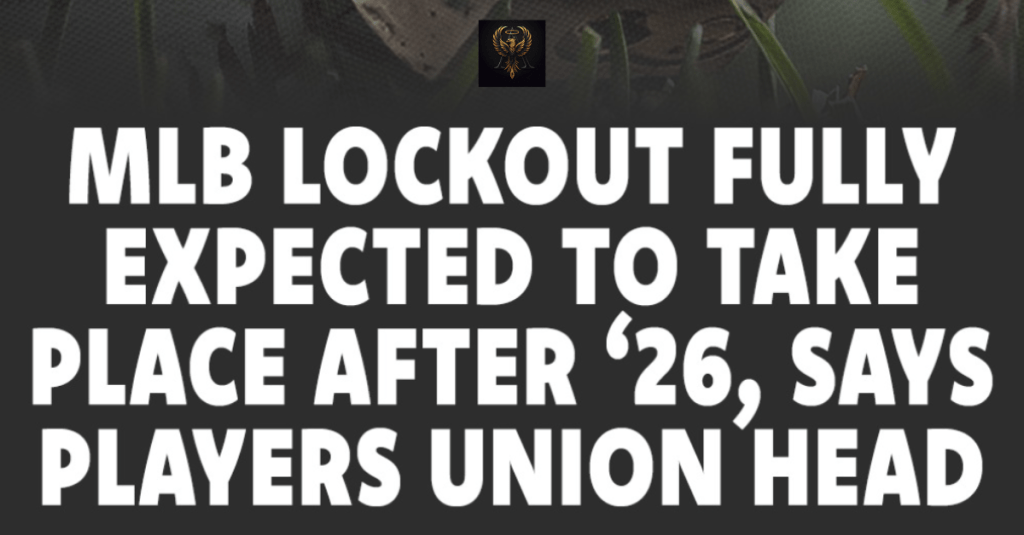
Major League Baseball’s media rights structure is undergoing stress.
The league has already begun waiving blackout restrictions for select clubs, including the San Francisco Giants and Oakland A’s, allowing local broadcasts to stream on MLB to TV broadcasts out of market.
That move alone signals a meaningful shift in how territorial rights may be treated going forward.
At the national level, MLB’s broadcast agreement with ESPN, currently valued at roughly $550 million annually is set to expire in 2025.
The league is actively evaluating new distribution partners, with streaming platforms expected to play a significant role in whatever replaces the existing deal.
Meanwhile, instability within the Regional Sports Network ecosystem continues to ripple across the league.
Several RSNs, particularly those operated by Diamond Sports Group (Bally Sports), have faced financial distress and bankruptcy proceedings, directly threatening the local media rights revenue that many clubs depend on to support payroll and operations.
Together, these developments represent more than isolated headlines, they point to a structural recalibration of how baseball content is distributed, monetized, and valued.
What’s Going Wrong with MLB’s TV Model
- Declining Cable Subscription Base
RSNs historically rely on cable bundle fees. As cord-cutting accelerates, fewer subscribers are paying for those bundles.
Less revenue for RSNs → less revenue passed to teams. - Unstable RSNs & Contract Failure
Diamond Sports Group’s bankruptcy created major uncertainty. Some RSNs have defaulted or may be unable to meet payment obligations.
MLB has already “backed up” broadcasts for some teams dropped by Diamond. - Revenue Share & Local Rights Losses
Local media rights used to be a significant chunk of team income (often ~20-25%), but now many teams are staring at revenue drops or replaced contracts with “lower income streaming / local DTC” deals. - Blackouts & Fan Frustration
Blackout policies (home team RSN rights blocking local streaming, even for paying fans) are increasingly unpopular.
MLB is under pressure to modernize these restrictions.
Signals That Reform May Be Coming
Major League Baseball has publicly expressed its intent to eliminate local blackouts through the development of new streaming and digital distribution packages.
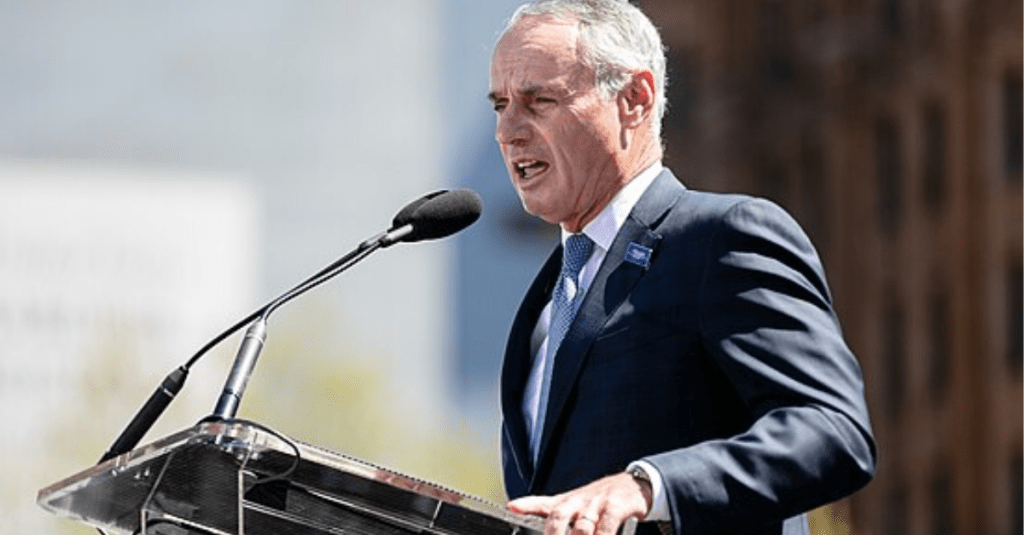
Commissioner Rob Manfred has stated a goal of creating a framework that would allow fans to access in-market games directly via streaming, reducing dependence on traditional cable bundles and modernizing the league’s media strategy.
In response to the regional sports network (RSN) instability, MLB and the MLB Players Association agreed to a one-year financial support mechanism funded through the Competitive Balance Tax (CBT).
This subsidy was designed to cushion clubs experiencing revenue disruption due to RSN failures, helping stabilize payroll obligations and maintain competitive balance during the transition.
Additionally, MLB has begun bringing certain local broadcasts in-house when RSNs have withdrawn coverage.
Clubs such as the San Diego Padres, Arizona Diamondbacks, and Colorado Rockies have seen their games distributed directly through MLB-controlled production and streaming channels, often with reduced or eliminated blackout restrictions.
This move signals a structural shift toward centralized media control and greater flexibility in distribution models.
What Reform Would Look Like:
Models & Challenges
A league-controlled local or regional streaming package that eliminates blackouts would fundamentally shift the distribution model.
Fans would be able to watch in-market games without maintaining a traditional cable subscription, creating a more predictable and centralized revenue stream for teams while improving engagement.
Direct-to-consumer subscription revenue could also open new monetization channels.
However, this approach would require renegotiating or buying out existing regional sports network (RSN) agreements.
Large-market teams that currently benefit from strong RSN deals may resist revenue centralization, and there is real risk that streaming revenue would not immediately match historical RSN payments.
A redistribution model for local television revenue could stabilize smaller-market franchises and those disproportionately exposed to RSN volatility.
By adjusting how local media income is shared, the league could narrow payroll disparities and strengthen competitive balance.
The challenge lies in convincing major-market teams to concede leverage and revenue share.
Designing fair “make-whole” mechanisms and navigating the transition period would also carry financial and political complexity.
Reforming blackout policies with transparent, clearly defined rules, ideally eliminating in-market streaming blackouts, would significantly improve customer satisfaction and reduce fan frustration.
Greater clarity would align product availability with modern viewing habits. That said, blackout reform requires coordination with RSN contracts, advertisers, and licensing partners.
Legal obligations and existing agreements may limit flexibility, and eliminating blackouts could reduce certain advertising or network-based revenue streams.
A hybrid distribution model combining traditional cable, direct streaming, over-the-air broadcasts, and diversified advertising revenue offers another path. Multiple revenue channels would reduce reliance on any single platform and create resilience as cable subscriptions decline.
However, hybrid systems introduce operational complexity, higher management costs, and pricing challenges.
Consumers may also resist higher cumulative costs if content is fragmented across multiple platforms.
Financial Stakes: What’s At Risk
For Teams: local revenue is used for payroll, stadium costs, local advertising, and operations.
If revenue falls sharply, that may force payroll cuts, less spending in free agency, or cost-saving measures.
For Players: Less local revenue means some teams have less leverage or fewer dollars to distribute (especially mid-market, smaller market teams).
Also, free agency values might decline for certain players if teams face revenue uncertainty.
For Fans / Brands: Fan disengagement from blackout frustrations can lower viewership. Brands care about reach and exposure; blackout rules reduce perceived value. Also potential backlash & PR risk for league.
For Media Rights Landscape: MLB may fetch less money for future rights if national exposure is declining or if streaming deals are under-valued. ESPN’s opt-out signals streaming platforms may cash in, but also that national ad revenue for MLB deals might be under pressure.
What to Watch For
- How MLB negotiates its next national media deal (post-ESPN opt-out). Does it include local streaming rights? How are money splits?
- Which teams join MLB’s in-house broadcasting / streaming options vs stay with RSNs. Their revenue projections vs what RSNs used to pay.
- What the MLBPA pushes for in terms of revenue guarantees or protections for players if local revenues dip.
- Legislative / regulatory pressure. The Judiciary Committee has requested briefings on blackout exemptions and sports broadcasting markets.
Financial Outcome
MLB’s TV money model is under real strain. The collapse of RSNs, fan frustration over blackouts, declining cable subscriptions, and national rights pressures are pushing the league toward reform.
Blackout reform seems likely, or at least a loosening of blackout restrictions in the near term.
But major overhauls, especially those that shift revenue power away from RSNs or big market owners, will take longer and be contested.
Reform could be a major net win for fans, some players, mid-market teams, and MLB’s overall brand. But balancing financial risk, legacy contracts, and market politics will be hard.
Next Reads
- Highest-Paid MLB Players of 2025
- Should MLB Introduce a Salary Cap
- Why the Seattle Mariners Remain a Small-Market Team
- Jackson Holliday’s Contract with the Baltimore Orioles: Taxes, Residency & Net Income Explained
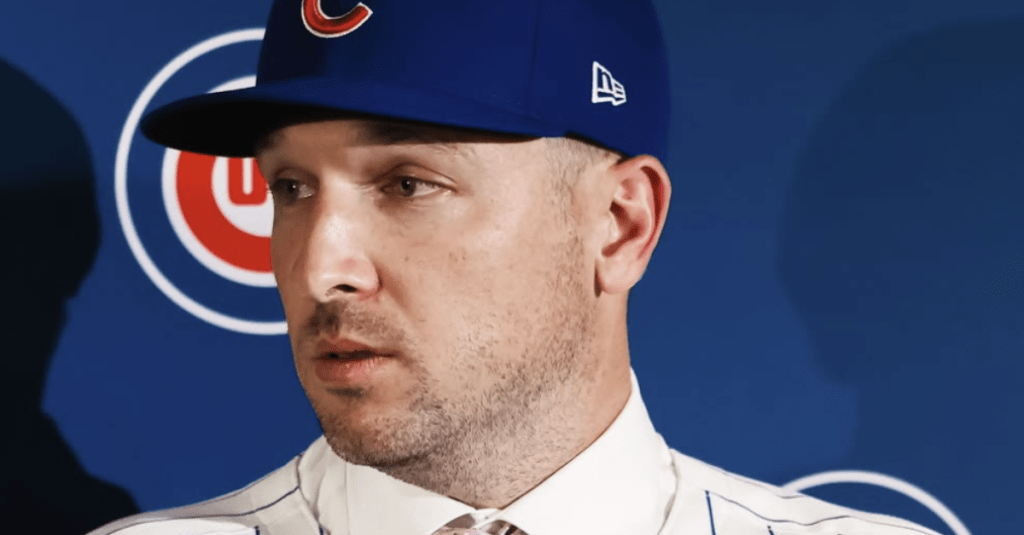
- Alex Bregman Signs with Chicago Cubs for $175 Million: Taxes, Residency & Net Income Explained
Credits
Written By: Aidan Anderson
Research & Analysis; Apostle Sports Media LLC
Sources: AP News, ESPN, Forbes, MLB financial public findings, APSM Proprietary Analysis
Featured Image: Public Domain / Instagram
Disclaimer: This article contains general financial information for educational purposes and does not constitute professional advice.













 Apostle Sports Media