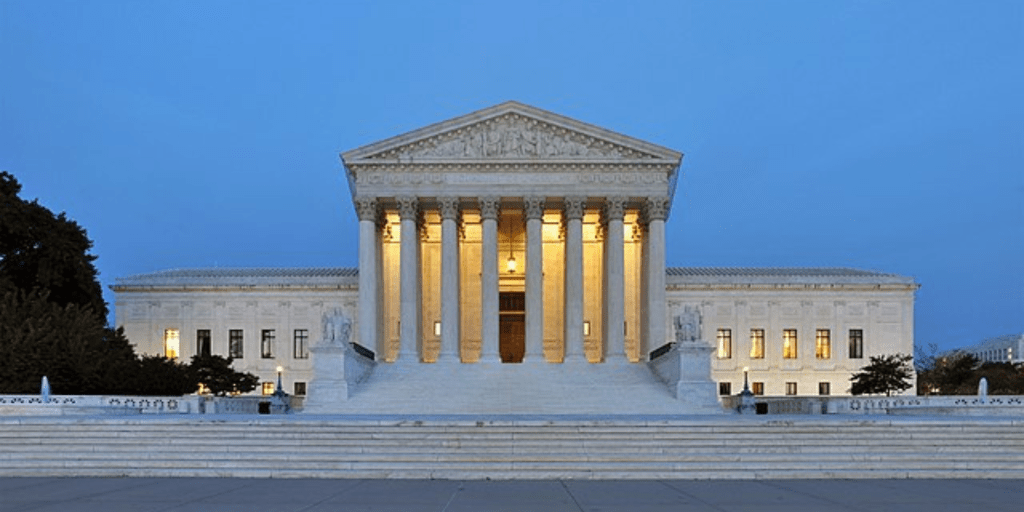
In May 2024, a federal judge approved a landmark $2.8 billion antitrust settlement in the House v. NCAA case, fundamentally altering the landscape of college sports.
This settlement allows Division I schools to directly compensate athletes for their name, image, and likeness (NIL) rights, a practice previously prohibited.
Starting July 1, 2025, schools can allocate up to $20.5 million annually to athletes, with this cap expected to rise over the next decade as revenues increase.
Projected $20M Annual Payouts Per School
Under the new compensation model, each participating school can share up to 22% of its revenue from media rights, ticket sales, and sponsorships with athletes.
This equates to approximately $20.5 million per year per school in the initial phase, with projections indicating this amount could grow to nearly $33 million annually by the end of the 10-year term.
Who Benefits Most?
Power Five Conferences
Schools in the Big Ten, Big 12, ACC, SEC, and the new Pac-9 (Pac-12) are poised to benefit the most from this settlement.
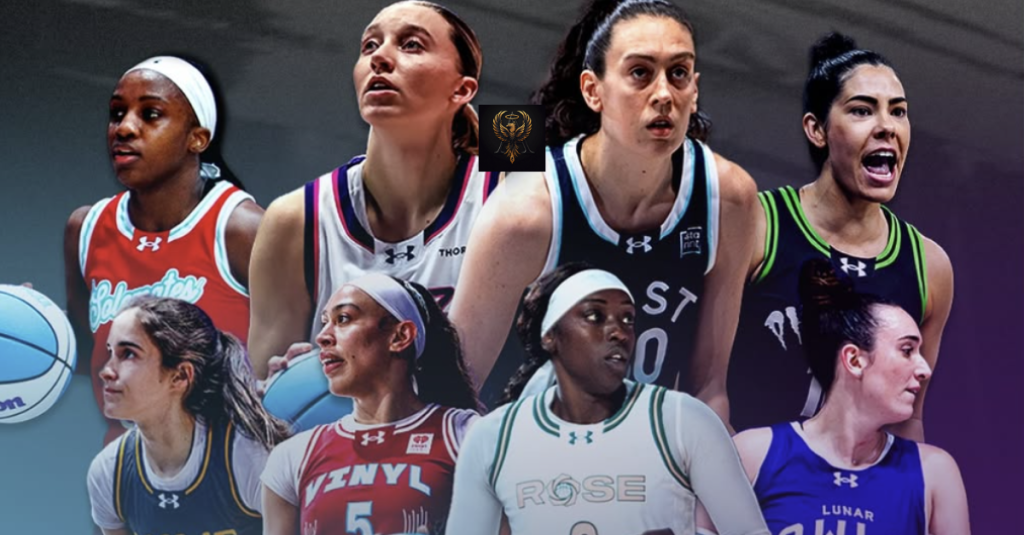
These conferences generate the highest revenues, and their athletes, particularly in football and men’s basketball, are expected to receive the largest share of the payout.
For instance, football and men’s basketball players from Power Five schools are estimated to receive an average of $135,000, while women’s basketball players from these conferences could receive around $35,000.
Individual Athletes
Athletes who played significant roles in high-revenue sports at major programs are set to receive substantial payouts.
For example, quarterbacks and star players in football and men’s basketball are anticipated to receive higher amounts due to their contributions to team success and revenue generation.
Implications for Equity and Compliance
While the settlement aims to provide fair compensation to athletes, it also raises concerns about equity and compliance.
The distribution of funds must adhere to Title IX regulations, ensuring gender equity in athletic programs.
Additionally, the NCAA has established a College Sports Commission to oversee compliance and enforce new NIL rules, including mandatory reporting for third-party deals exceeding $600.
Looking Ahead
The House v. NCAA settlement marks a significant shift toward a more professional model of college athletics.
As schools navigate the complexities of direct athlete compensation, the landscape of college sports is poised for transformation.
Stakeholders will need to balance financial considerations with equity and compliance to ensure the sustainability and integrity of college athletics.
Time will tell if having a salary cap in collegiate sports is the right move.
Next Reads
- Inside the NCAA’s New Partnership with Genius Sports
- What NCAA’s New Betting Rules Mean for Future Gambling Revenue
- Arch Manning’s Slow Start May Impact His Endorsement Deals
- 3 Sports Companies on the Rise in 2025
- Apollo’s $5 Billion Private Equity Fund Explained
Credits
Written by: Aidan Anderson
Research and Analysis: Apostle Sports Media LLC
Sources: ESPN, AP News, ESPN, U.S. News, Fox Sports, NCAA.org, APSM Proprietary Analysis.
Featured Image: Public Domain / Wiki Commons
Disclaimer: This article contains general financial information for educational purposes and does not constitute as professional advice.
“But go and learn what this means: ‘I desire mercy, not sacrifice.’ For I have not come to call the righteous, but sinners.”
– Matthew 9:13








 Apostle Sports Media