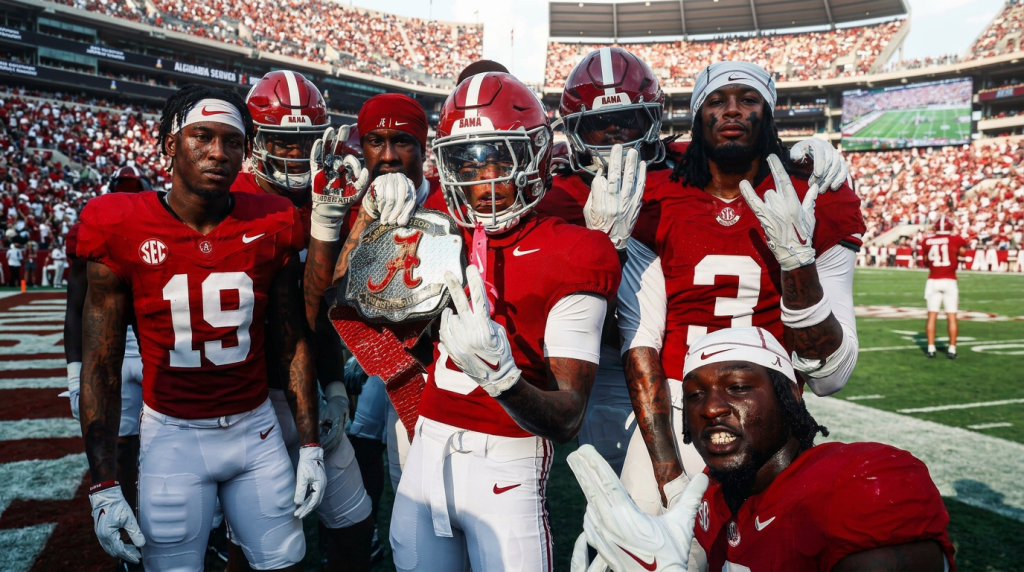

Sports fans have long cherished the thrill of attending live games to watch their favorite teams and players and to represent their city with pride.
However, in recent years, ticket prices have surged, leaving many fans questioning whether the experience is still worth the cost. From NFL games and NHL face-offs to MLB matchups and NBA showdowns, no sport seems immune to the rising prices seen in 2025.
So, what’s driving these increases, and is there any way to avoid them?
Supply & Demand
At its core, the law of supply and demand explains much of the increase in ticket prices. As the demand for live sports events continues to grow, especially after the worldwide gap in entertainment due to the pandemic, prices naturally follow suit. Especially in recent years, since fans have been eager to return to stadiums and live events.
By 2025, the allure of live entertainment has never been higher. With limited seating and a constant surge in ticket sales, it’s no surprise that teams and organizations are capitalizing on this demand. The rise of influencers and top names around sports today, has also had a substantial impact on the way sports media is perceived and how events have shaped USA culture.
A past time for many, decades ago, or a family outing once in a while, now costs an arm and a leg per ticket, especially once parking, food, drinking and other costs are factored into the price. While the supply of tickets remains constant, or even shrinks in cases of smaller stadiums or reduced capacities for special events, demand keeps climbing. Teams and leagues recognize they can increase prices, knowing full well that fans will pay.
For example, the Dallas Mavericks raised the price of their home games by 8% after trading away Luka Doncic and their now key players, Anthony Davis and Kyrie are facing injuries. Not only was the trade a move that puzzled many fans, but the delusion of raising event prices afterwards was looked on with disgust by many more than just fans of the Mavericks.
In 2005, the average price of a regular-season NFL ticket was approximately $60. Adjusted for inflation, that equates to about $85.
The current average ticket price in 2025 has soared to $120, indicating a significant increase beyond inflation. Similarly, MLB teams like the Miami Marlins have seen average ticket prices rise from $15.55 in 2005, to ~$69 in 2023, reflecting a substantial hike over the past two decades.
For top revenue teams in any league, tickets can range from $70 to $500+, as ownership groups have been trending towards offering what they deem to be luxury experiences over catering the common fan. Why need 20 people to buy a $70 ticket, when you can convince a couple of wealthier individuals to pay $700 per ticket.
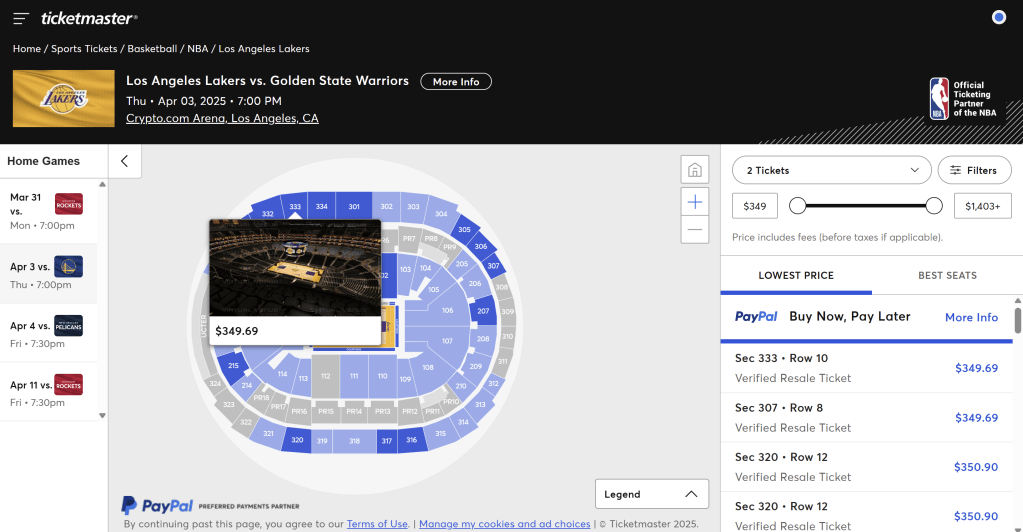
Sports events are in high demand, but not every game is a rivalry or a playoff showdown, so franchises often veer towards consistent earnings versus mass earnings. Once tickets for any team are sold out though these days, you can still possibly get in through third party vendors like Ticket Master, however a $70 retail ticket will likely be $90 starting or more, for some of the worst seats in the house.
Stadium Costs & Event Operations
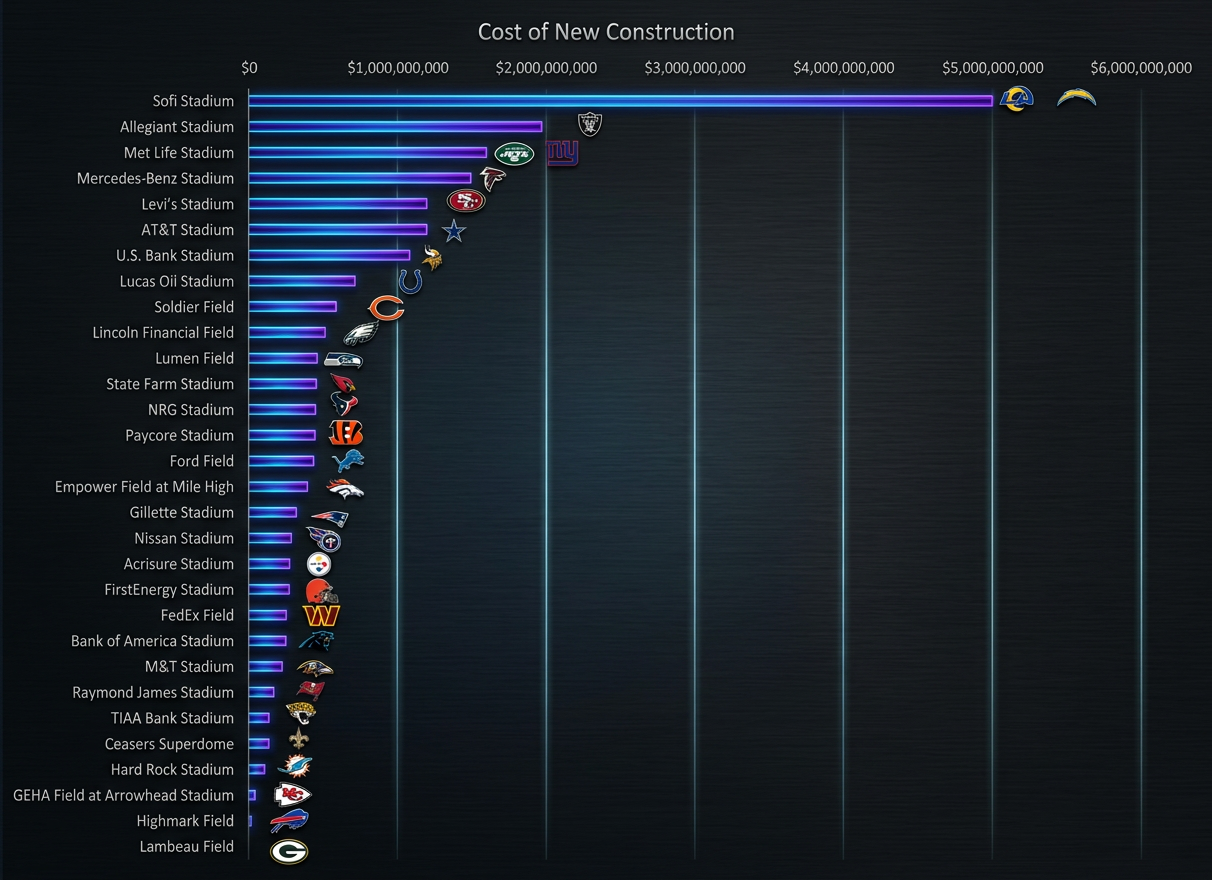
Maintaining and operating a stadium of any size is no small task. NFL teams, for instance, spend anywhere from $10 million to $20 million annually on maintenance, security, and operational costs, not to mention overhead for staff salaries, insurance, and marketing efforts.
These expenses contribute to the rising cost of tickets, as teams pass operational costs onto fans in the form of higher prices. In addition, many stadiums have undergone extensive renovations to enhance the fan experience in the last decade, with some teams rebuilding their stadiums entirely or relocating.
These upgrades offer luxurious amenities like VIP suites, high-end food options, and interactive technology. While these enhancements provide a more enjoyable game-day experience, they also significantly increase the cost of building and operating the stadium.
The big question: Would you prefer a “better experience” at the ballpark, or minimal amenities with a focus solely on the game? If fans begin to avoid games due to unaffordability, teams might be forced to reconsider their pricing strategies. As long as stadiums remain profitable and near capacity, leagues and organizations have little incentive to reduce prices.
Sponsorships & Premium Seating
Sponsorships and partnerships play a significant role in the escalating costs of live sports events. Corporate sponsors pay top dollar for premium seating and as a result, the cost of tickets continues to climb.
Luxury suites, which can run up to $200,000 per season for larger market teams, are often reserved for corporate partners, celebrities, and influencers, creating a divide between general fans and wealthy, high-net-worth guests.
As teams look to increase revenue from sponsorships and suite rentals, they may raise the cost of regular tickets to offset the difference. This trend is especially common in leagues like the NFL and NBA, where sponsorship dollars are a primary revenue driver.
Dynamic Pricing & The Resale Market
A growing trend in sports ticket sales is the use of dynamic pricing.
This strategy allows ticket prices to fluctuate based on factors like demand, opponent, time of year, and even weather conditions. For instance, tickets for a highly anticipated game against a rival team will often be priced higher than tickets for a game against a less popular opponent.
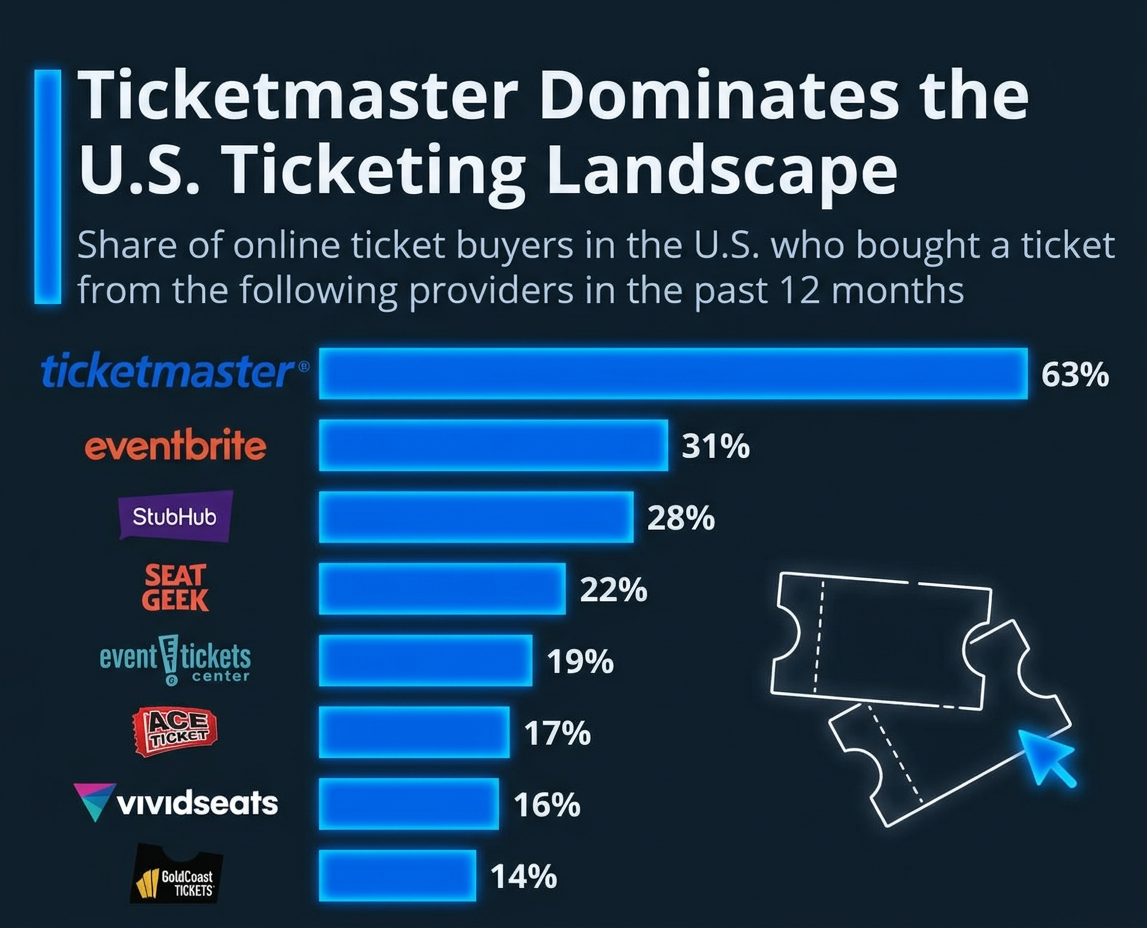
While dynamic pricing can sometimes offer lower ticket prices for less popular games, it generally results in higher prices for marquee matchups. Additionally, the proliferation of resellers and secondary markets like Ticketmaster, StubHub and Seat Geek, means that fans seeking tickets close to game day are often forced to pay a premium above face value.
The value of tickets often starts relatively fair for the market conditions of 2025. However, if you don’t secure your entry months in advance, you may find yourself paying significantly higher prices to attend your desired event. Add in parking fees, food costs, and other expenses, and you may spend close to, if not more than, $1,000 to attend a single game or concert.
Broadcast Deals & Media Rights
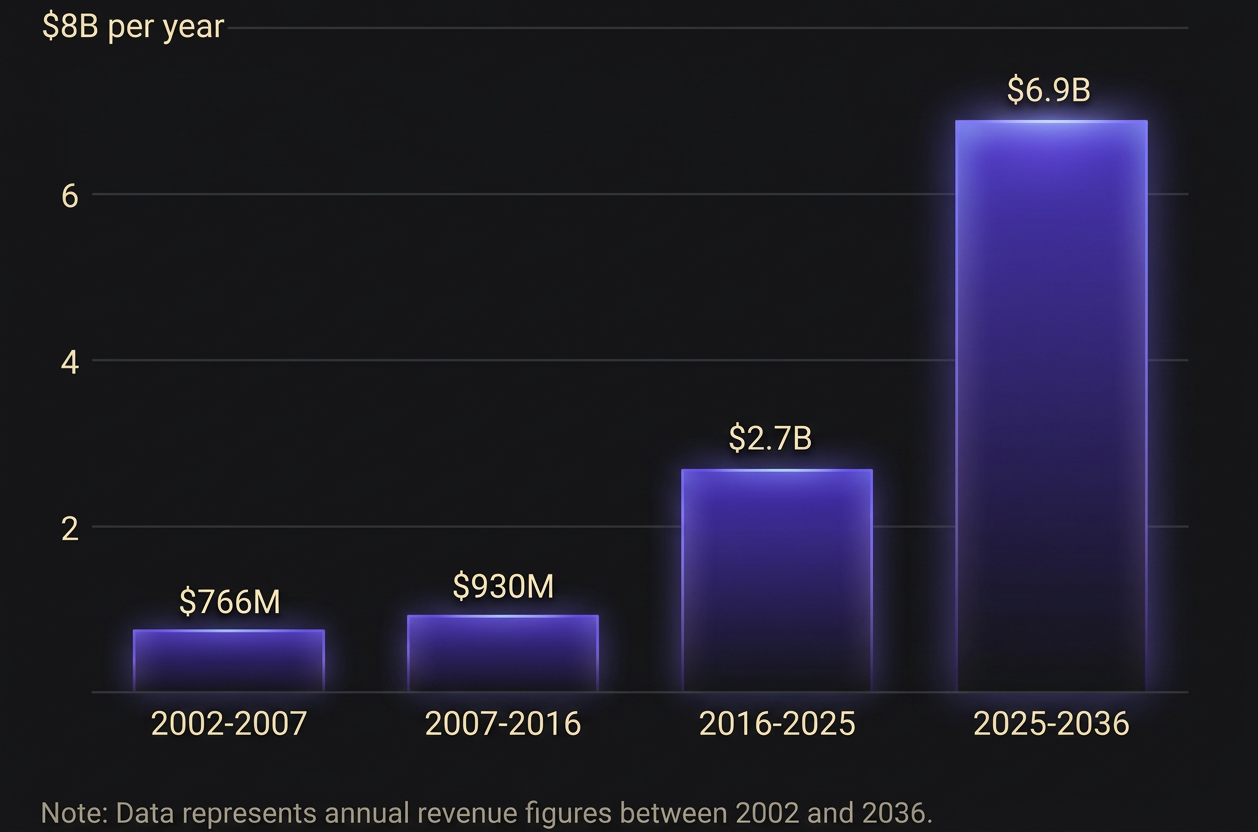
Broadcast and media rights deals have become a significant revenue driver for sports leagues, but they also influence ticket prices. Networks and streaming platforms pay billions for exclusive broadcasting rights, such as the NFL’s $110 billion TV deal with Amazon, CBS, NBC, and ESPN.
These hefty deals put additional pressure on teams and leagues to maximize revenues, leading them to increase ticket prices for fans attending games. Moreover, streaming platforms and packages like NFL+ or YouTube’s NFL package often cost $400 or more per year and may not even include local market games.
This creates another issue: the battle for viewing rights and the effect of local broadcasting restrictions. Media companies don’t broadcast games for free. They pay top dollar to acquire the rights, and those costs are often passed down to fans who want to experience the event live.
This cycle shows no signs of ending if these trends continue.
Inflation & Increased Spending
As with many goods and services, rising everyday expenses have contributed to higher ticket prices. The inflation rate in the U.S. in recent years has made everything from food to fuel more expensive, and the same is true for sports tickets.
Teams face higher costs for merchandise, concessions, and player salaries, all of which drive up the cost of attending a game. Fans who once considered attending an affordable family outing now find themselves spending hundreds, if not thousands, of dollars for a single event.
The Shift Towards Cashless Transactions
Many venues have transitioned to cashless transactions and mobile ticketing, which has both pros and cons for fans. On one hand, digital ticketing can make the process of buying, transferring, and verifying tickets more seamless. On the other hand, these systems often come with added fees, including processing charges and service fees, which can drive up the overall cost of attending.
Digital and cashless environments allow teams to gather data on consumer behavior, helping them implement targeted strategies to further increase prices based on customer demand. While this reason is more of an add-on than a primary issue, it still affects the overall cost for fans.
Luxury Event Experiences Are Forced on Fans
Gone are the days when attending a game was simply about watching athletes compete. Now, it’s about the entire experience. Stadiums are adding massive screens, elaborate sound systems, and interactive features, transforming games into spectacles.
While this appeals to fans seeking a high-end experience, it also comes at a premium. Sports teams have realized that offering a memorable, once-in-a-lifetime experience can boost ticket sales, but it also means prices rise due to the amenities attached to the ticket.
This circles back to the earlier question: Is there a balance between “premium” and “minimal” fan experiences? Or, are all fans expected to pay a premium, even if it isn’t for nearly the best experience available, if even the average one.
Is It Worth It
While there’s no denying that the cost of attending a live sporting event has skyrocketed, many fans are now wondering if prices are worth it. For many die-hard fans, the answer remains clear, the experience of being in the stadium, surrounded by thousands of fellow fans, putting on for the city you are from, live in and/or love, Is irreplaceable.
However, as prices continue to climb, sports teams and leagues will need to find a balance between delivering an incredible fan experience and making it affordable for everyone.
The key will be adjusting to the demands of the modern fan while maintaining accessibility for all budgets. For fans who feel that ticket prices are becoming out of reach, perhaps it’s time to explore alternative ways to enjoy sports. Whether through streaming services, group tickets, or by opting for less premium seats.
Either way, it’s clear that live sports are more expensive than ever, and it’s up to fans to decide whether the price tag is worth the thrill. For now, prices are going to remain at all-time high.
Bottom Line
Rising ticket prices aren’t one villain, they’re a stack of them. Supply and demand set the floor, stadium operating costs and renovation debt raise it, sponsorship and luxury suite revenue push it higher still, and media rights deals worth tens of billions put pressure on every team to squeeze more from every seat they’ve got. Dynamic pricing and the resale market then take whatever’s left of a “fair” price and finish the job.
None of these forces are slowing down on their own. Teams have zero incentive to lower prices while stadiums stay near capacity and luxury suites keep selling out to corporate accounts. The math only changes if fans actually stop showing up in numbers large enough to matter, and right now, they’re not.
For the average fan, the real question isn’t whether ticket prices will come back down. They won’t, not meaningfully. The real question is how you adapt around it, whether that’s buying early instead of near game day, choosing streaming over attendance for non-marquee matchups, or accepting that live sports have shifted from a casual outing to a genuine luxury purchase.
The stadium experience isn’t going anywhere. What’s gone is the idea that it’s still affordable for everyone. That’s the trade-off leagues have made, and it’s one they’re not walking back anytime soon.
Ticket Price Inflation FAQs
Why have sports ticket prices risen faster than inflation?
Ticket prices are driven by more than inflation alone, rising demand post-pandemic, stadium renovation costs, luxury suite and sponsorship revenue, and billion-dollar media rights deals all put pressure on teams to extract more revenue per seat, pushing prices well beyond what inflation alone would explain.
What is dynamic pricing in sports tickets?
Dynamic pricing adjusts ticket costs in real time based on factors like demand, opponent, day of the week, and how close the event is to game day. It can occasionally lower prices for less popular matchups, but it more commonly drives prices higher for marquee games and rivalry matchups where demand is highest.
Why do luxury suites cost so much more than general admission tickets or front-row seats?
Luxury suites, which can run up to $200,000 per season for larger-market teams, are priced for corporate sponsors and high-net-worth guests specifically because that revenue subsidizes a meaningful share of a team’s overall operating costs, and teams often raise general ticket prices to offset the gap when suite demand doesn’t fully cover it.
How much do media rights deals affect what fans pay?
Significantly, even though the connection isn’t obvious. Leagues signing billion-dollar broadcast deals, like the NFL’s $110 billion agreement across Amazon, CBS, NBC, and ESPN, creates pressure for teams to maximize every other revenue stream simultaneously, including live ticket pricing, rather than treating broadcast money as a replacement for gate revenue.
Is it worth attending live sporting events given rising prices?
That depends on personal opinion, budget and financial priorities. For fans who value the in-person atmosphere, many still consider it worth the cost. For budget-conscious fans, buying tickets in advance, choosing non-premium seats, or opting for streaming over in-person games are the most realistic ways to keep enjoying sports without absorbing the price surge.
Next Reads
- Inside the Bengals’ $470 Million Stadium Renovation Deal
- Inside the Chiefs’ Push for a New Stadium Location
- Inside the Washington Commanders’ Stadium Fight
- Lakers’ $10 Billion Sale
- How the NBA Could Bring Teams to Seattle and Las Vegas
Disclaimer: This article contains general financial information for educational purposes and does not constitute professional advice. APSM estimates are derived from publicly available information, tax assumptions, finance modeling, and industry-standard fee structures. Actual earnings may vary based on residency elections, private contract provisions, image/media rights agreements, bonuses, and tax filings.