
Cap space refers to the amount of money a professional sports team
has available under the league’s salary cap to spend on player salaries, signings, trades, or contract extensions.
In cap-regulated leagues, this space is crucial it dictates who can be added to the roster, how deals are structured, and how teams compete financially.
Cap space is not just a budget number. It’s a strategic weapon.
Teams with cap space can go shopping in free agency, take on big contracts in trades, or extend superstars without triggering penalties.
How Cap Space Applies In Different Leagues
🎓NCAA / NIL Athletes
Cap space does not exist in the NCAA. College sports have no salary cap, no player payroll, and no contract-based spending limits.
Roster construction is governed by scholarships, eligibility rules, and transfer regulations, not financial ceilings or cap management.
Example
A college football program cannot “clear cap space” to add a portal transfer or retain a star player.
Instead, decisions are made through scholarship availability, NIL opportunities, and roster limits, not by creating or spending cap space like a professional franchise.
🏈NFL
Cap space in the NFL is managed tightly due to the hard salary cap.
Teams must stay under the threshold at all times with no exceptions.
Use Cases
- Used for signing free agents, rookie class, or in-season injury replacements.
- Can be created by restructuring contracts or releasing players (though this may cause dead cap hits).
- Smart teams “roll over” unused cap to the next season.
Example
The Chicago Bears entered the 2023 offseason with over $100 million in cap space, which they used to reshape their defense and acquire top free agents, becoming a player in a competitive market.
🏀NBA
The NBA uses a soft cap, allowing teams to exceed it using exceptions.
Cap space is still crucial for teams in free agency looking to sign unrestricted free agents.
Use Cases
- Only teams under the cap can use cap space to sign new players without the use of exceptions.
- Teams clear space through trades, buyouts, or expiring contracts.
- Max and Supermax contracts eat large portions of cap space, so flexibility is vital to ensure teams can keep top talent.
Example
The Houston Rockets cleared $60+ million in cap space ahead of the 2023 offseason to pursue veteran leadership and depth players.
It marked their transition from rebuild to playoff hopeful.
⚾MLB
MLB has no official salary cap, so cap space doesn’t exist in the traditional sense.
However, teams still operate under internal budgets or ownership-mandated payroll limits.
Use Cases
- “Cap space” in baseball is more about luxury tax thresholds than fixed ceilings. While there are no player caps, there are roster caps due to bankroll, not CBA rulings.
- Wealthier teams go over; smaller teams strategize under budget constraints.
- GM’s track available budget the same way cap space is used in other leagues.
Example
The Oakland A’s operate with one of the lowest budgets in sports. While they have no official cap limit, their self-imposed payroll ceiling limits player acquisitions.
Their “cap space” is more of a bank account balance than league rule.
🏒NHL
The NHL operates with a hard salary cap, meaning cap space is a true limit.
Teams must navigate this carefully, the league allows fewer exceptions than the NBA.
Use Cases
- Trades and signings must fit under the cap.
- Teams may retain salary in trades to create space or use LTIR (long-term injured reserve) to gain temporary relief.
- Cap flexibility is vital near the trade deadline or during free agency.
Example
The Arizona Coyotes have often taken on bad contracts from other teams in exchange for draft picks because they had the cap space.
This has become a common rebuild strategy across the NHL.
⚽MLS / International Soccer
Most soccer leagues don’t have a cap space system, but MLS uses a budget system that functions similarly.
Instead of a fixed cap number, MLS teams manipulate mechanisms like general allocation money, targeted allocation money, designated player slots, U22 Initiatives and salary budget charges to stay compliant.
Use Cases
- Using GAM/TAM to reduce cap hits.
- Signing stars through deisgnated player slots.
- Trading allocation money, instead of players, to gain roster flexibility.
- International clubs follow financial fair play (FFP) or internal budgets.
Example
Inter Miami built a Messi-Busquets-Alba trio by using DP slots + allocation money to stay within MLS roster rules. Showing how MLS cap space is more about allocation maneuvering than hard cap limits.
🥊UFC / Combat Sports
Combat sports like UFC don’t use team-based salary caps, so cap space is irrelevant here.
⛳Golf / Tennis / Individual Sports
No team structure or cap exists in these sports. Cap space isn’t applicable.
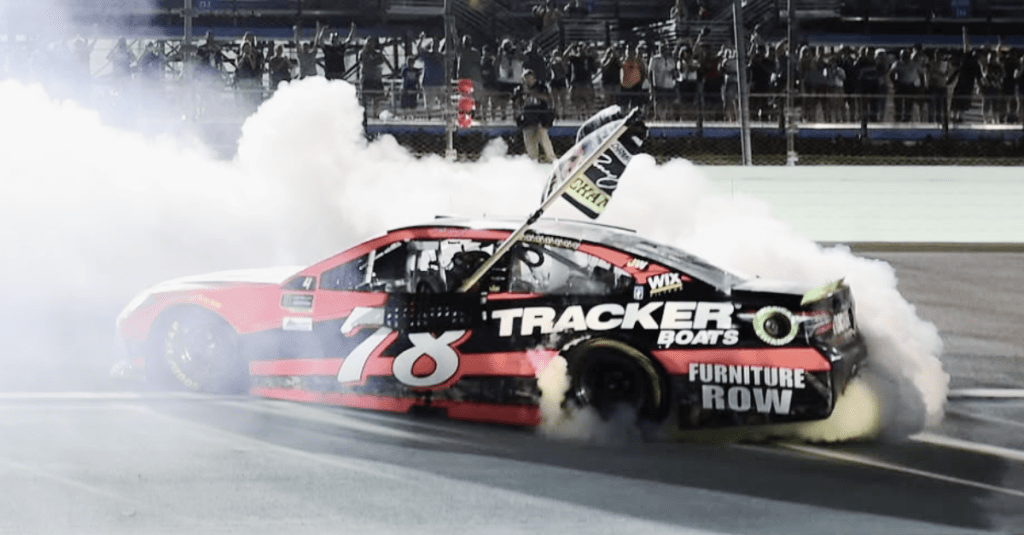
🏎️F1 / NASCAR / IndyCar
F1 introduced a cost cap in recent years. While not a salary cap, it’s a limit on total team expenses.
Use Cases
- Teams manage this cap like an internal salary cap to balance car development, staff, and driver contracts.
- Cap space influences how much can be spent on engineering vs. star drivers.
Example
Red Bull was penalized in 2022 for exceeding the cost cap, showing how critical budget management has become in modern F1.
Why Cap Space Matters
Cap space is freedom. In leagues where the salary cap is enforced, the ability to add players, extend contracts, or swing trades all hinges on having space to operate.
It dictates
- Roster flexibility
- Free agency strategy
- Championship window length
- Team-building philosophy
Cap space isn’t just a budget.
It’s an asset.
Smart front offices hoard it, create it, and spend it wisely to stay competitive in the long term.
🔗Related Terms
🔗Next Reads
- NBA Salary Cap Explained
- How NFL Signing Bonuses are Structured
- Paolo Banchero’s $239 Million Contract Extension
- T.J. Watt’s 3-Year, $123 Million Contract Extension
- Juan Soto Signs the Biggest Contract in MLB History
“Live in harmony with one another. Do not be proud, but be willing to associate with people of low position. Do not be conceited.”
– Romans 12:16






















 Apostle Sports Media