
A Collective Bargaining Agreement (CBA) is the official contract negotiated between a professional sports league and its players’ union.
It governs everything from salary caps and free agency timelines, to player conduct rules, health benefits, and financial splits between teams and players.
The CBA is the financial rulebook for every contract, negotiation, and fine print in professional sports.
Every few years (typically 5–10), CBAs are renegotiated, which can lead to lockouts, rule changes, or massive shifts in how money flows across a league.
How Collective Bargaining Works Across Leagues
🎓NCAA / NIL Athletes
There is no Collective Bargaining Agreement (CBA) in the NCAA.
College athletes are not unionized employees, and there is no league-wide agreement governing salaries, benefits, or labor rights like in professional sports.
While NIL has introduced player compensation, it operates through private endorsement agreements, not collective bargaining.
Use Cases
In college sports, there is no CBA governing:
- Player compensation
- Revenue sharing
- Free agency or contract structure
- League-wide benefits or protections
Instead, athletes operate under:
- NCAA eligibility rules
- Conference regulations
- Individual NIL agreements
Example
An NCAA basketball player signs multiple NIL deals with local and national brands.
Those agreements are negotiated individually, not through a players’ union, and are not protected by a CBA outlining minimum pay, benefits, or working conditions.
🏈NFL
The NFL CBA is a complex agreement between the NFL and the NFLPA. It sets the rules for salary cap calculation, player benefits, disciplinary policies, and revenue sharing.
Use Cases
- Determines rookie wage scale & minimum salaries.
- Sets cap proration rules and guaranteed structures.
- Outlines conduct policy (e.g., off-field investigations).
- Negotiated most recently in 2020, lasting until 2030.
Example
The 2020 NFL CBA introduced a 17-game season, a higher player revenue share, and new rules on marijuana testing and discipline protocol, as well as changing how teams manage player workload and contracts split/pay.
🏀NBA
The NBA CBA, negotiated with the NBPA, governs contract rules, salary cap exceptions, max contract values, and free agency structure.
Use Cases
- Sets luxury tax & soft cap system.
- Determines max/min contracts, Bird Rights, and supermax eligibility.
- Includes health benefits, pension, and retirement programs.
- Current deal was signed in 2023, runs through 2030.
Example
The 2023 NBA CBA added a second tax apron that limits team flexibility for big spenders like Golden State or the Clippers.
It also introduced designated veteran extensions to help teams retain young stars around veteran talent.
⚾MLB
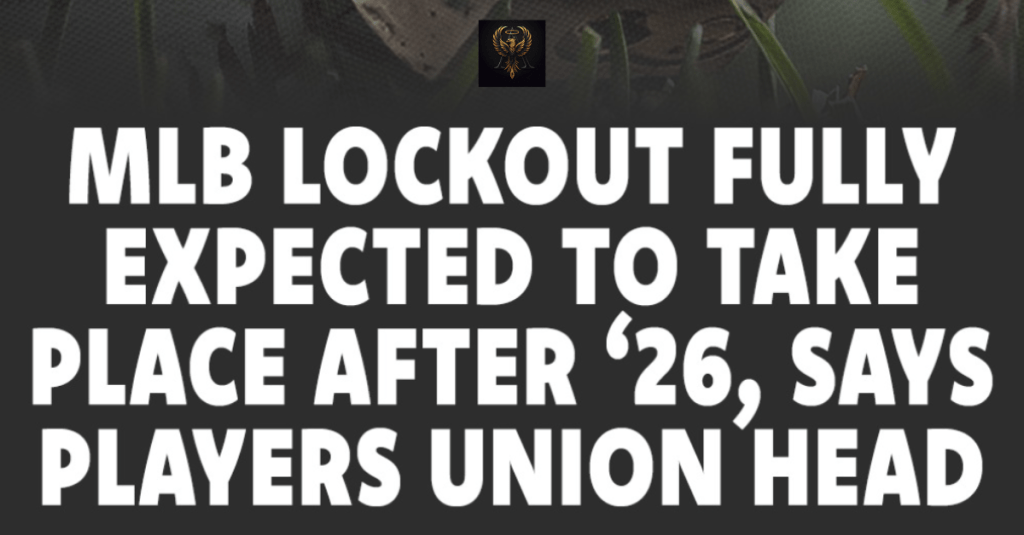
MLB’s CBA is a continuous battleground, especially since MLB has no salary cap.
Use Cases
- Sets luxury tax (Competitive Balance Tax) rules.
- Determines arbitration process and pre-arb salaries.
- Includes revenue sharing between small and large markets.
- New CBA signed in 2022, after a lockout.
Example
The 2022 MLB CBA introduced the universal DH, expanded playoffs, and pre-arbitration bonus pools, all aimed at modernizing the game and balancing pay across experience levels.
🏒NHL
The NHL CBA dictates salary structure, escrow withholdings, international play rules, and injury protections.
Use Cases
- Introduces “escrow” to balance revenue splits.
- Governs how signing bonuses are taxed/paid.
- Sets limits on contract term lengths and salary variance.
- The current CBA was extended through 2026.
Example
In 2020, the NHL/NHLPA extended the CBA to keep labor peace during COVID. It capped contract length at 8 years for re-signs, and 7 for new teams, curbing decade-long deals.
⚽MLS / International Soccer
MLS does operate under a CBA and is a single-entity league, where players are unionized under the MLSPA.
International soccer leagues do not follow the same model.
Most major international leagues do not use CBA systems.
Player rights come from national labor laws, agents and FIFPro, not league-wide agreements.
MLS Use Cases
- Controls minimum salaries and roster rules.
- Defines MLS free agency rules.
- Sets player benefits (housing, healthcare, etc.) and travel standards.
- Ensures standardized contract protections.
International Soccer Use Cases
- Player disputes get handled through FIFA labor channels.
- Use of transfer markets and no salary cap = clubs negotiate individually with players and leagues.
- Provides more leverage for players, especially star talent.
MLS Example
The 2020 MLS CBA expanded free agency and raised minimum salaries for players, reshaping how teams built their clubs/rosters and making way for the leagues eventual expansion.
International Example
When Barcelona FC delayed wage payments during COVID, players used Spanish labor laws and FIFPro, not an official CBA, to resolve the issues, pay out wages, and get the league back into play when cleared to return to business.
🥊UFC / Combat Sports
UFC fighters do not currently have a formal CBA. There is no union, so Dana White and the promotion set all terms.
Use Cases
- Fighters have less negotiation power.
- Payment structure often includes show + win bonuses.
- Fighters have pushed for unionization, but it hasn’t formed yet.
Example
Project Spearhead and former fighters like Leslie Smith have attempted to unionize UFC fighters to negotiate for CBAs. So far, the UFC has blocked every effort.
⛳Golf / Racing / Tennis
There is no league-wide CBA in most individual sports, because players are contractors, not employees.
Use Cases
- PGA, ATP, F1 teams set terms directly with athletes.
- LIV Golf has introduced guaranteed contracts, but no union.
- Drivers like Hamilton negotiate 1-on-1 with teams like Mercedes.
Example
LIV Golf is the closest to implementing something CBA-like by giving players fixed salaries and bonuses, bypassing the PGA’s prize-only system.
Why the CBA Matters
The CBA shapes the financial DNA of every sport.
It Determines
- How much players can earn.
- What teams are allowed to spend.
- The leverage structure of contract negotiations.
- Off-field protections (medical, retirement, discipline).
- The financial behavior of entire leagues.
CBAs are why the NFL can cut players easily, while MLB guarantees every dollar.
They’re why NBA superstars get Bird Rights, but UFC fighters fight with no union.
CBAs Control
- Rookie pay scales
- Free agency structure
- Salary cap math
- Revenue sharing percentages
- Pension and post-career benefits
🔗Related Terms
🔗Next Reads
- How Media Rights & Streaming Deals Influence Player Salaries
- Apollo’s $5 Billion Private Equity Fund Explained
- NFLPA Boss Resigns After Misusing Union Funds
- Luther Burden III’s Fully Guaranteed NFL Rookie Contract
- Top 5 Longest NHL Contracts In History
“Do not hate a fellow Israelite in your heart. Rebuke your neighbor frankly so you will not share in their guilt. Do not seek revenge or bear a grudge against anyone among your people, but love your neighbor as yourself.
I am the Lord.”
– Leviticus 19:17-18














 Apostle Sports Media