
Proration refers to the process of spreading out a financial figure over a set period of time.
In sports, this is most commonly applied to signing bonuses or guaranteed money, allowing teams to manage the salary cap hit by breaking a large payment into smaller chunks across several seasons.
It’s a financial lever that front offices use to create cap space, delay cap hits and maintain star talent on their rosters without busting the books.
Proration does not change how much the athlete is paid.
It changes how the money hits the cap.
How Proration Applies In Different Leagues
🎓NCAA / NIL Athletes
Proration in the NCAA does not apply to salaries or contracts in the traditional sense, but it does apply to NIL compensation timing.
Because NIL athletes are paid as independent contractors, income is often tied to deliverables, time periods, or campaign lengths rather than lump-sum salaries. When a deal spans months or seasons, payments are effectively prorated.
NIL proration affects when athletes receive money, not how much they earn. Poor planning can still lead to tax and cash flow issues even when total compensation looks strong.
Use Cases
- Monthly NIL retainers
- Seasonal endorsement deals
- Social media contracts paid per post or per month
- Licensing deals paid over a fixed term
- Collectives spreading payments across a season or academic year
Example
A NIL athlete signs a $120,000 endorsement deal paid at $10,000 per month over 12 months. The athlete earns the full $120,000, but the income is prorated across the year for cash flow and tax purposes.
🏈NFL
Proration is most aggressively used in the NFL, because of the league’s hard salary cap.
Use Cases
- When a player signs a signing bonus, it can be prorated over up to 5 years, even if the contract length is shorter.
- Used in restructures to push cap hits into the future.
- Allows teams to sign multiple stars without front-loading all the cost.
Example
Patrick Mahomes’ 10-year deal included a $63 million signing bonus that was prorated at ~$6.3 million per year for cap purposes.
The Chiefs used this to free up space and keep weapons around him. While Mahomes talent is of course generational, the Kansas City Chiefs front office has also played a major role in the franchises success over the previous decade.
🏀NBA
Proration in the NBA is less flexible, because the league runs on a soft cap with fixed rules.
Use Cases
- Happens in midseason signings when players are signed halfway through the year. So, they receive half of their full-season salary.
- Also applies to minimum contracts or 10-day deals.
- Not typically used for bonuses or extensions.
Example
Carmelo Anthony signed with the Lakers midseason and his salary was prorated based on the amount games remaining, saving the team cap space and giving Melo an efficient short-term deal.
⚾MLB
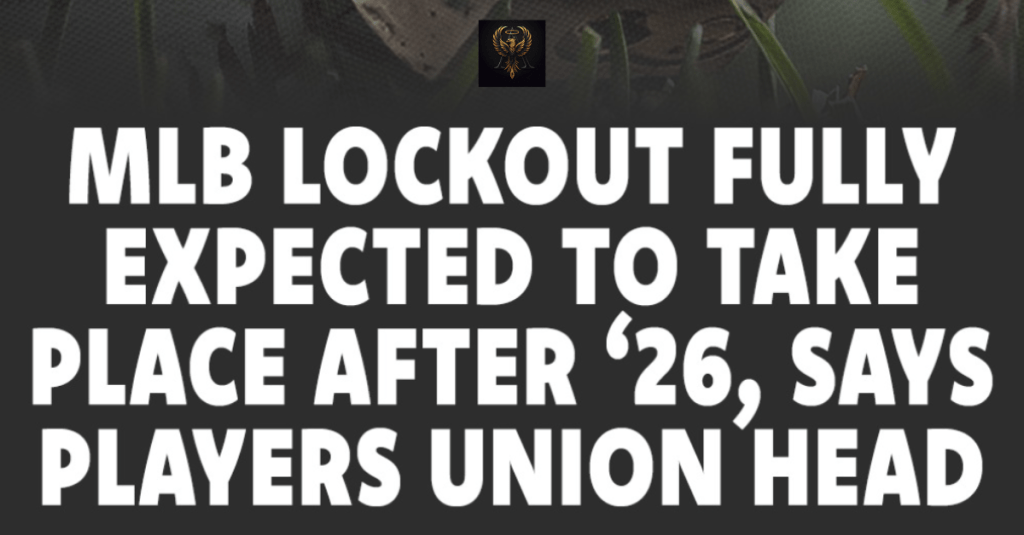
MLB doesn’t need proration in the same way because the league has no salary cap.
However, player pay is still prorated if they sign to a team during the season and do not play the entire contract years of games with the club, also known as service time, which applies to arbitration.
Use Cases
- Injured players or mid-season call-ups only get paid for games they’re active on the roster.
- Minor leaguers moving up/down only earn major league rates when on the MLB roster.
- During COVID-shortened seasons, entire salaries were prorated by league mandate.
Example
In 2020, MLB salaries were prorated to 60 games out of 162.
Players like Mike Trout earned ~37% of their full-season pay due to league-wide revenue shortfalls.
🏒NHL
The NHL allows pro-rated salaries for players signed or traded midseason. Bonus structures, however, are generally not prorated unless specified.
Use Cases
- Short-term contracts signed midseason.
- Two-way deals where players spend time in the minors.
- Retirement or injury settlements based on games played.
Example
Jaromír Jágr signed a 1-year deal with the Flames midseason.
His total pay was prorated, based on how many regular season games he played and not the full contract value.
⚽MLS / International Soccer
Proration is common in MLS and international soccer due to midseason transfers, loans, and staggered contract starts.
Because global soccer operates year-round with overlapping league calendars, player salaries are often adjusted based on games played, registration windows, or time spent with a club.
In soccer, proration protects clubs from overpaying for partial seasons while ensuring players are compensated fairly for time served.
Use Cases
- Midseason transfers
- Loan deals
- Partial-season contracts
- Designated Player signings midyear
- Transfer-window timing adjustments
Example
A soccer player signs a $4 million annual contract but joins the club halfway through the season.
Their salary for that year is prorated to approximately $2 million, based on the remaining matches and registration period.
🥊Combat Sports
Proration rarely exists in combat sports. Fighters are independent contractors, and they’re paid per fight, not per day or week.
Use Cases
- Only applicable when a fighter’s guaranteed money is broken up over multiple appearances or restructured post injury.
- Sometimes used in multi-fight deals if injury delays a card.
Example
TJ Dillashaw’s contract post-suspension was reportedly restructured.
He received a prorated purse upon return due to missed fights and partial promotional obligations.
⛳Golf / Tennis / 🏎Racing
Proration is not applicable in non team sport formats formats.
- Golfers and tennis players earn per tournament.
- Drivers in F1/NASCAR may have salary clauses for part-year deals, but they’re customized on case-by-case basis.
Example
Nico Hülkenberg subbed in during the F1 season and was paid a prorated base salary + points incentives based on races participated.
Why Proration Matters
Proration is the hidden hand behind almost every massive deal you see.
It doesn’t change what a player earns, but it radically changes how the cap absorbs it.
It allows teams to
- Push cap hits into the future.
- Sign more players now, pay later.
- Manage massive contracts without violating league rules.
- Hide large cash deals behind lower-yearly cap hits.
For athletes, it doesn’t affect how quickly they’re paid but,
it does impact
- Dead cap if they’re cut early.
- Trade flexibility for front offices.
- Public perception of their deals.
Without proration, there would be no Dak Prescott $80 million bonus, no Mahomes 10-year deal, and no way to build “Super Teams” in the NFL.
While fans not of the franchises performing the best with their on field product, the league heavily favors teams like the Patriots and Chiefs to continue thriving.
If it gets views, it makes money.
At the end of the day, all professional sports leagues are a business and have to worry about their bottom line before anything else.
🔗Related Terms
🔗Next Reads
- Top 5 Longest NHL Contracts In History
- How NFL Signing Bonuses are Structured
- 5 NFL Signing Bonuses That Changed the Market
- NBA Salary Cap Explained
- Highest-Paid MLB Players of 2025
📊Graphic
| Year | Bonus Prorated | Cap Hit |
|---|---|---|
| 1 | $10M | $10M |
| 2 | $10M | $10M |
| 3 | $10M | $10M |
| 4 | $10M | $10M |
| 5 | $10M | $10M |
“Plans of the diligent lead surely to abundance, but everyone who is hasty comes only to poverty.”
— Proverbs 21:5



















 Apostle Sports Media