
Sponsorships in sports are the business relationship between a brand and an athlete, team, or league, where money, resources, or products are exchanged for promotional exposure.
They differ from endorsements.
This can include
Sponsorship is one of the largest off-field income sources for athletes, and it can be more lucrative than contracts in some cases.
It’s also a core pillar in the valuation of teams and events.
Sponsorships Across Different Leagues
🎓NCAA / NIL Athletes
In college athletics, sponsorship lives under NIL (Name, Image & Likeness), and it’s now the primary way NCAA athletes make real money. Unlike pros, college athletes don’t earn salaries or league contracts (yet), so NIL sponsorships fill the income gap.
Use Cases
- Apparel & footwear deals
- Local business partnerships
- Collectives & donor packages
- Social media marketing campaigns
- One-off event promotions
- Equity or revenue share deals
How It Differs From Pros
- No league contracts to supplement personal deals
- Visibility varies heavily by sport, school, and social media reach
- Local partnerships matter more than national brands for most athletes
- Collectives create pseudo-salary ecosystems without actual salaries
Market Impact
The NIL ecosystem turned NCAA players into mini-brands overnight. The value isn’t always tied to performance, it’s tied to attention.
A backup QB with TikTok juice can out-earn a starting LB with no audience.
Examples
- Viral social media following
- Heisman or draft buzz
- School brand strength (Texas ≠ Eastern Michigan)
- Conference visibility (SEC/B1G)
- Post-season exposure (CFP)
🏈NFL
NFL players, teams, and the league itself all operate within a tight brand ecosystem. Sponsorships are regulated but booming.
Use Cases
- Players sign with brands for apparel, supplements, tech, finance, and lifestyle goods.
- The NFL sells league-wide sponsorships (e.g., Gatorade, Visa, Bose), while players have personal deals.
- Sponsorships must be non-conflicting with official NFL partners unless exceptions apply.
Example
Patrick Mahomes has brand deals with Adidas, State Farm, Head & Shoulders, and Oakley which is estimated to bring him an additional ~$20+ million annually, separate from his contract.
🏀NBA
NBA players have enormous personal brand value, and most stars stack high-earning sponsorship portfolios.
Use Cases
- Shoe deals (Nike, Adidas, Puma) are massive.
- Off-court style and media make NBA athletes marketing gold.
- Teams and arenas also hold regional partnerships.
Example
LeBron James has a lifetime deal with Nike rumored to exceed $1 Billion. His earnings from endorsements consistently outpace his on-court salary.
⚾MLB
MLB players get fewer sponsorship opportunities than NBA/NFL, but deals still play a key role in star profiles.
Use Cases
- Batting gloves, cleats, sunglasses, trading cards.
- Big names land beverage, car, and financial brand partnerships.
- Most deals go to pitchers and high-profile sluggers.
Example
Shohei Ohtani brings in $35+ million a year from sponsorships alone (Fanatics, Seiko, New Balance), thanks to his international dual-star appeal.
🏒NHL
Hockey players traditionally have fewer endorsements, but big names break through with national or regional brands.
Use Cases
- Stick, skate, and gear brands.
- Canadian markets offer stronger visibility for hockey-specific brands.
- Rising American stars are unlocking lifestyle & mainstream brand deals.
Example
Auston Matthews has landed with Nike and Scotiabank, part of a new wave of NHL players bridging lifestyle and sport branding.
⚽MLS & International Soccer
Soccer operates in a sponsorship ecosystem that is larger, richer, and more global than any American league.
Clubs, leagues, and even individual players rely heavily on commercial partnerships, and the structure is very different from U.S. sports.
Unlike the NFL or NBA, where team branding is highly controlled, soccer clubs often integrate sponsors directly into:
- Jersey fronts (primary shirts sponsor)
- Sleeve sponsors
- Training kit sponsors
- Stadium naming rights
- Academy sponsorships
- League-wide partners
- Boot (cleat) deals for players
- National team sponsorships
This makes soccer one of the most sponsorship-heavy sports on Earth.
MLS Sponsorship Structure
MLS combines American sports-style deals with European-style shirt sponsorships. Key MLS sponsorship elements include:
1. Shirt Sponsorship (Front-of-jersey)
The biggest revenue driver. These deals can range from $3 million to $10+ million annually depending on the market and star players.
2. Sleeve Sponsors
Secondary jersey placements that bring millions per season for top clubs.
3. Stadium Naming Rights
MLS clubs earn huge commercial revenue through naming rights, similar to NFL/NBA arenas. Even mid-tier teams can land $5 million–$10 million per year.
4. League-Wide Partners
MLS signs sponsors that appear on all teams, broadcast graphics, and league events: These deals help stabilize league-wide revenue.
5. Player-Level Sponsorships
Stars can have individual partnerships, especially global names like Messi. MLS benefits massively from star-driven commercial value.
International Structure
International soccer sponsorship is the highest level in world sports. Clubs generate revenue not only from on-field success, but from their global brands.
1. Shirt Sponsors (Front-of-kit)
Some of the most valuable deals in sports history include: Annual values can exceed $50 million–$70+ million per year, dwarfing U.S. sports.
2. Sleeve Sponsors
Now standard in most major leagues, worth: $10 million–$20 million per year for top Premier League clubs. Lower tiers earn proportional amounts but still millions
3. Stadium Naming Rights
Most European clubs historically did not sell naming rights, but modern clubs increasingly do: These can reach $400+ million multi-year packages.
4. Regional Partnerships
Clubs sign dozens of sponsors across categories and International soccer slices the partnership model into micro-categories, maximizing revenue.
5. Boot Deals & Player Sponsorships
Soccer players often earn more from sponsors than from salaries. Messi, Ronaldo, Mbappé, Haaland, their endorsement portfolios alone generate $20 million–60+ million annually. More than entire MLS teams earn in sponsorship.
Why Soccer Sponsorship Is Unique
- Global fanbases, not regional.
- Jersey space is monetized (unlike NFL/NBA uniforms).
- Longer seasons and more competitions → more ad visibility.
- International tournaments (World Cup, etc.) expand exposure.
- Players function as global brands, not just team athletes.
This makes soccer the #1 sponsor-driven sport in the world.
🥊Combat Sports / UFC
Sponsorship endorsements are life-changing in combat sports, especially when fight purses are unpredictable and not nearly as massive as the average league sport contract.
Use Cases
- Fighters use social media + presser visibility for branding.
- UFC restricted in-octagon sponsors with the Venum deal, limiting apparel visibility.
- Boxers (especially top-tier) can wear any sponsors.
Example
Conor McGregor has partnerships with Monster, Reebok, and Proper Twelve raking tens of millions per fight week.
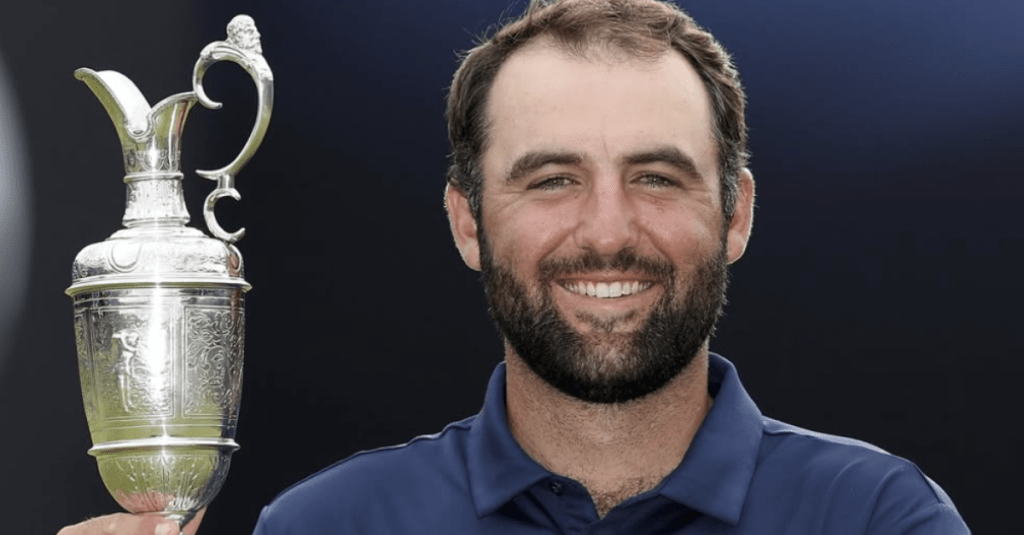
⛳Golf /🎾Tennis /🏎Racing
Sponsorships are often the primary income for athletes in individual sports like golf, tennis and racing.
Golf
- Players wear brand logos on shirts, hats, bags.
- Club/equipment sponsorships pay major money.
- LIV Golf introduced guaranteed deals + appearance fees.
Example
Tiger Woods earned nearly $1.4B in career endorsement money, outpacing every contract in PGA history.
Tennis
- Players endorse rackets, shoes, watches, luxury brands.
- Appearance fees and photo shoots add to off-court income.
Example
Naomi Osaka made $50M in one year from sponsors like Louis Vuitton and Nike, while injured.
Racing
- F1/NASCAR drivers feature sponsor logos head-to-toe and car-to-car.
- Teams are built around sponsor money.
Example
Lewis Hamilton’s Mercedes car is a rolling billboard. His fashion and racing brand deals exceed $20M yearly.
Why Sponsorships Matters
Sponsorship is the cash engine behind the scenes in modern sports.
It affects:
- Net worth growth.
- Brand equity and media visibility.
- Team valuations and TV rights.
- Athlete freedom and long-term income.
For younger players or those outside of mega contracts, a smart sponsor strategy can be the difference between surviving and thriving financially.
In NIL, WNBA, minor leagues, and Olympic sports? Sponsorship is sometimes the only path to real money.
🔗Related Terms
🔗Next Reads
- How Media Rights & Streaming Deals Influence Player Salaries
- Inside the NCAA’s New Partnership with Genius Sports
- DAZN’s $3.4 Billion Foxtel Acquisition Reshapes Sports Streaming
- NBC’s $3 Billion Olympic Media Rights Deal Through 2036
- Dick’s Sporting Goods Acquires Foot Locker
“Commit to the Lord whatever you do,
and he will establish your plans.”
– Proverbs 16:3












 Apostle Sports Media