
In the cold, transactional machine of professional sports, there is a massive gulf between agents who are simply good at their jobs and agents who genuinely care about the human beings behind the stat sheets.
Anyone can technically negotiate a standard market-rate rookie contract when a player is a consensus top-five pick. But turning a projected mid-second-round afterthought into a guaranteed first-round multi-millionaire? That takes tactical genius, ruthless leverage, and a relentless commitment to protecting a client’s long-term financial ecosystem.
When the Portland Trail Blazers traded up to select 7’1″ Chinese center Hansen Yang with the 16th overall pick in the 2025 NBA Draft, mainstream mock drafts were stunned.
Outlets like ESPN and The Athletic had Yang slotted anywhere from No. 35 to No. 48. If he had slid into the second round, his financial reality would have been a fragile, non-guaranteed scramble for a two-way contract worth roughly $3 to $4 million total. Instead, Rich Paul and the team at Klutch Sports orchestrated an absolute masterclass in pre-draft positioning.
By weaponizing international marketability, streaming-era media rights value, and strict workout boundaries, they secured Yang a fully guaranteed rookie scale contract worth $21.4 million. This is the net reality of what that single draft-night jump means for Yang’s multi-generational wealth.
The Contract Breakdown: Rookie Scale Realities
Under the NBA Collective Bargaining Agreement (CBA), first-round picks are entitled to a mandatory rookie scale slotting system with team options for the third and fourth years, plus the right to negotiate up to 120% of the standard scale.
- Total Contract Value: $21.4 Million (fully guaranteed across 4 years)
- Contract Length: 4 Years (2025–2029)
- Average Annual Value (AAV): $5.35 Million / year
- Signing Bonus / Scale: 100% guaranteed base salary for Years 1 and 2, with team options for Years 3 and 4 governed by strict scale escalators.
Y0Y Base Salary Across Length of Rookie Deal
- Year 1 Base Salary (2025–26): ~$4.4 Million
- Year 2 Base Salary (2026–27): ~$4.6 Million
- Year 3 Team Option (2027–28): ~$4.8 Million
- Year 4 Team Option (2028–29): ~$7.6 Million (Qualifying Offer / Extension eligibility window)
The Wealth Gap: Dropping to the second round would have netted Yang a non-guaranteed or partial deal worth roughly $3 million over two years with zero security past season one. Rich Paul’s intervention created an immediate $17.4 million guaranteed wealth gap.
Residency & Geographic Advantage: The Pacific Northwest Ecosystem
- Home Market: Portland, Oregon
- Primary Team Facility: Trail Blazers Practice Facility, Tualatin, OR
- Real Estate Context: Moving to the Portland metro area places Yang in a high-appreciation Pacific Northwest housing market. While coastal properties in Lake Oswego or the West Hills command premium values, rookie scale parameters dictate strict budgeting guidelines (keeping housing overhead under 5% of gross contract value).
Taxes, Fees & Expenses: Where Does the Money Actually Go?
Gross numbers look incredible on paper, but elite financial literacy requires mapping out every dollar of leakage before wealth preservation can begin. Here is how Yang’s Year 1 gross salary ($4.4M) gets dissected:
| Expense Category | Percentage / Rate | Estimated Dollar Amount (Year 1) |
| Federal Income Tax | Progressive (Top bracket 37%) | ~$1,350,000 |
| Oregon State Income Tax | Progressive (Top bracket 9.9% over $125k) | ~$410,000 |
| Portland Metro / Local Taxes | Multnomah County / Metro SHS (~2.5% to 4%) | ~$135,000 |
| NBA Escrow (10%) | Held in escrow, partially returned | ~$440,000 |
| Certified Agent Fees (Klutch) | Max allowable 4% | ~$176,000 |
| Jock Taxes & Road Game Adjustments | Varies by state/city games played | ~$110,000 |
| Total Estimated Deductions | ~58.2% cumulative burden | ~$2,621,000 |
| Net Take-Home Cash (Year 1) | Net Liquidity | ~$1,779,000 |
Even after losing over half to taxes, escrow, and professional fees, Yang walks away with nearly $1.8 million in pure liquid cash in Year 1 alone, enough to establish a bulletproof compounding portfolio.
Net Contract Value & Investment Modeling
Professional athletes have a notoriously short earning window. What separates players who go broke from players who build dynasties is what they do with their net take-home cash during years 1 through 4.
Assuming Yang lives strictly off his endorsement income and channels 75% of his net contract earnings into a diversified portfolio (index funds, real estate equity, and conservative fixed-income instruments yielding an average historical 8% to 10% annual return on investment), here is what his wealth trajectory looks like:
| Horizon | Portfolio Value (8% Conservative Growth) | Financial Milestone |
| Year 5 (Post-Rookie Deal) | ~$9.4 Million | Financial independence achieved; primary real estate fully owned. |
| 10-Year Mark (Age 30) | ~$21.6 Million | Generational wealth without a second contract. |
| 20-Year Mark (Age 40) | ~$52.4 Million | Full compounding velocity; passive income exceeds elite executive salaries. |
Optimized Real Estate Acquisition & Strategy
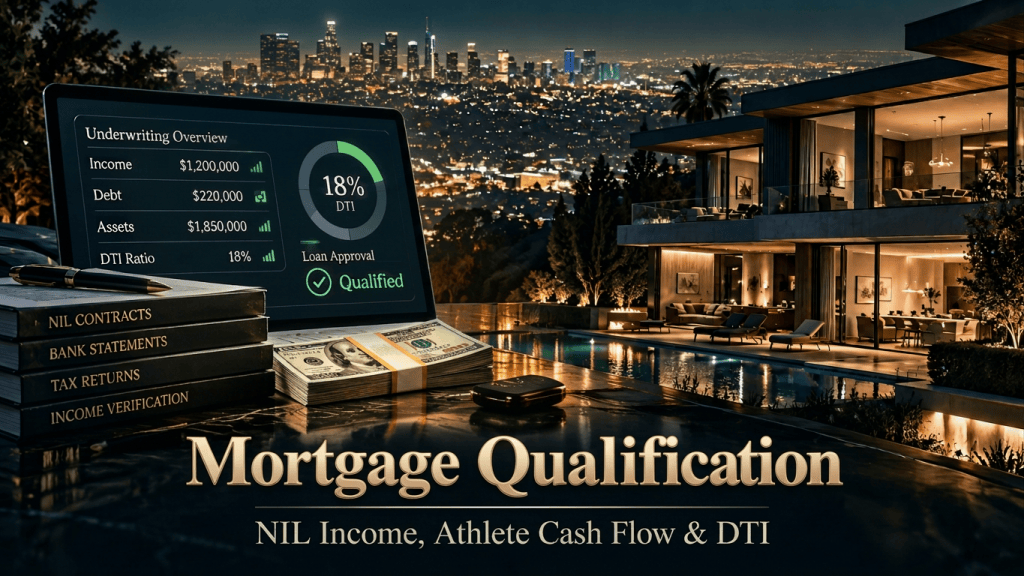
- Strategy: Utilizing professional athlete Jumbo Loan products through private wealth banking partners.
- Down Payment Allocation: Putting down 20% on a $2.5 million contemporary estate in the Portland West Hills.
- Leverage Philosophy: Rather than paying all-cash and locking up vital liquidity, low-interest institutional debt allows Yang to keep his primary capital deployed in higher-yielding equity and private equity, capitalizing on historical Portland real estate appreciation rates of ~4% annually.
The Bottom Line
Rich Paul and Klutch Sports didn’t just get Hansen Yang drafted in the first round; they fundamentally altered his lineage’s economic standing. By manufacturing leverage, highlighting his international broadcast appeal, and forcing front offices to respect their valuation, they turned a late-second-round gamble into a guaranteed $21.4 million foundational asset. That is what happens when representation isn’t just transactional, but genuinely protective.
Hansen Yang Rookie Contract FAQs
Why was Hansen Yang projected as a second-round pick?
Mainstream draft analysts and scouts had him ranked outside the top 30 because of questions surrounding his transition speed from the Chinese Basketball Association (CBA) and his defensive mobility against modern NBA small-ball lineups.
How much extra money did Rich Paul make for Yang?
By getting him selected No. 16 overall instead of falling to the second round (where picks typically secure non-guaranteed deals), Paul secured a ~$17.4 million swing in fully guaranteed rookie scale earnings.
Does Oregon’s state income tax hurt NBA players?
Oregon has a top marginal income tax rate of 9.9%, plus local Portland metro surcharges, making it one of the higher-tax jurisdictions in the league. However, elite tax planning, strategic deductions, and smart residency structuring mitigate a significant portion of this liability.
What makes Klutch Sports different than other Agencies in late-first-round negotiations?
Klutch leverages global marketing angles, such as international streaming rights, broadcast visibility in Asian markets, and strict pre-draft assurances, giving small-market teams an extra incentive to reach for prospects early.
Next Reads
- Oregon State Athlete Taxes
- 2025 NBA Rookie Contracts Summary
- Ace Bailey’s NBA Draft Fall Cost Him $9 Million
- Cooper Flagg Could Earn Over $1 Billion in Future NBA Contracts – 2026 Net Worth Estimate
- How Much Seattle Spent to Host the 2026 FIFA World Cup
Disclaimer: This article contains general financial information for educational purposes and does not constitute professional advice. APSM estimates are derived from publicly available information, tax assumptions, finance modeling, and industry-standard fee structures. Actual earnings may vary based on residency elections, private contract provisions, image/media rights agreements, bonuses, and tax filings.