
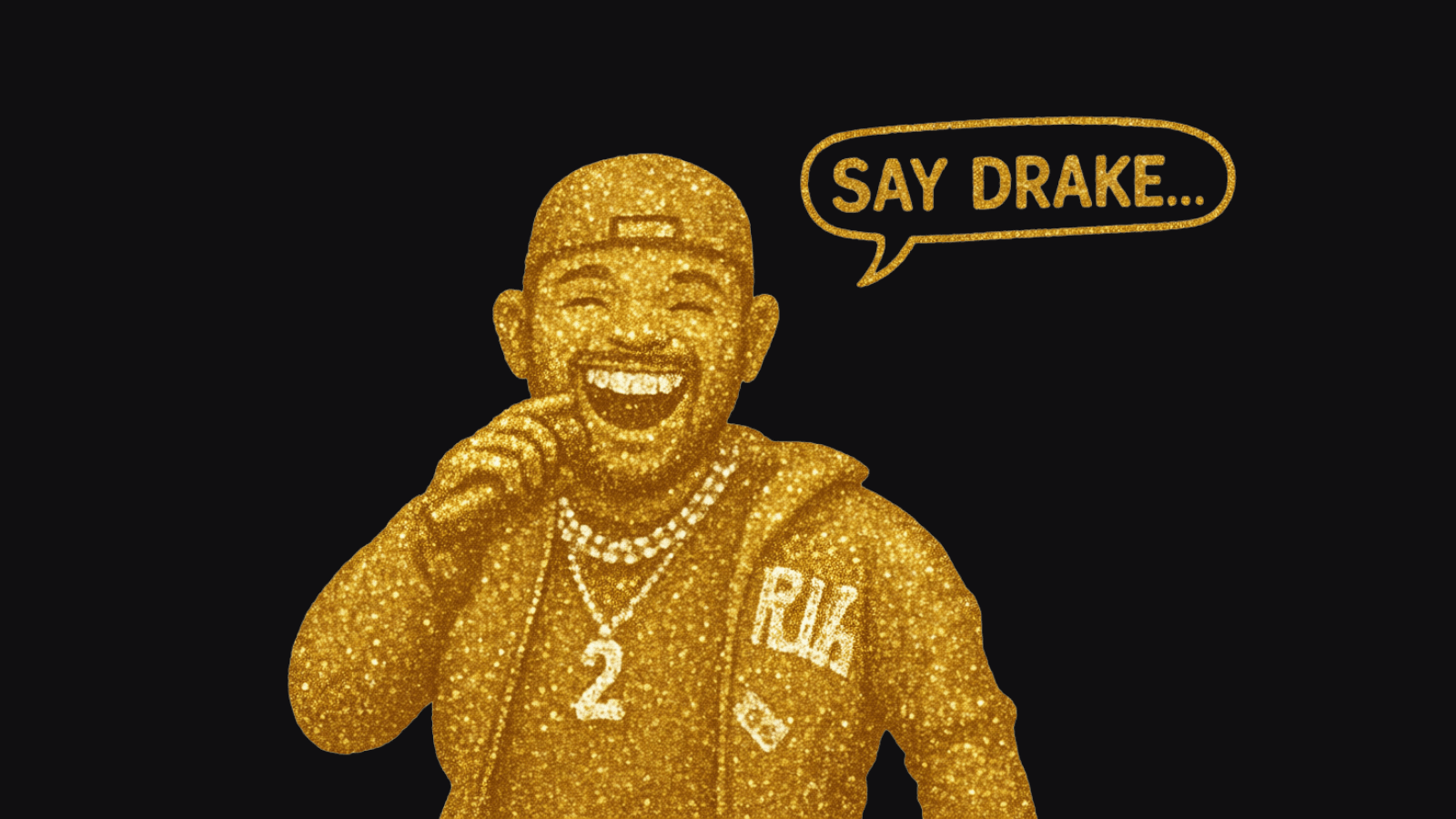
The Super Bowl is one of the biggest global events annually. Some watch for the football, others watch to gamble, while some watch for the commercials, but millions of people watch just for the Halftime show.
Over the years, the halftime show has slowly gone from a past time for super bowl viewers into one of the most expensive 15 minute productions in all entertainment.
People don’t always think about the costs that go into the production of these shows, as the event is based on around the music. However, there are many factors at play and people involved that costs millions of dollars in order to pull off.
From the staging, audio systems, lighting and custom-built sets that get rolled out over the 50-yard-line in minutes, to the dancers, pyrotechnics and artists cues themselves, there is an army of people behind the scenes that allow these massive productions and high costs worth the investment.
The costs are not random, either. They depend entirely on the performer and their creative vision, as well as the structure of the hosting stadium itself. Some venues demand more rigging and engineering, especially newer-built stadiums that have massive LED setups or retractable roofs.
Others require entirely new staging concepts because of the layout of the field, the tunnel systems, and the way cameras have to be positioned for both the attendees and the viewers at home.
Attendance itself also plays a role, as the NFL knows when a show is going to be performed in larger stadiums of 70k+ in-person fans and hundreds of millions of people globally, the production costs have to match the scale of expectations in order to return a profit.
Some artists keep things simple, others go all-in with complicated choreography, massive sets, flying rigs, fire or water effects, LED designs and hundreds of background performers as well.
That’s why artists like Kendrick Lamar, Lady Gaga, Beyonce, and Super Bowl 56 West Coast Legends show end up on the most expensive productions of all-time list.
These artists are not just performers, they expect full-productions and wide creative demands. For instance, JLo and Shakira’s joint performance brought its own complexity, merging two full headline-level productions into just one halftime window.
It’s also why someone like Michael Jackson or Travis Scott/Drake do not show up here. They are some of the greatest performers and biggest names ever, but their halftime performances required smaller budgets, simpler staging and nothing close to the technological scale of what the performances on this list used.
So, here are the five most expensive Super Bowl halftime productions of all time, and why they cost as much as they did.
1. Kendrick Lamar (Super Bowl 58, 2024)
- Production Cost: ~$20 million
- Venue: Allegiant Stadium, Paradise, NV
- Attendance: 65,000+
- Broadcast Viewership: ~90 million+ viewers
Performance Highlights
Lamar’s performance was highly anticipated, thanks to Drake practically crowning him as the top artist of the current generation, despite what the numbers might say.
Innovative stage design, fierce visuals, and political messages, as Kendrick brought his raw, poetic style to the biggest stage in the world. Families all over were coming together to watch the show due to the possibility of him playing “Not Like Us” and he delivered.
The only “guest” artist other than SZA alongside the rapper for their album together, Serena Williams was seen to be “Crip Walking” behind the set.
Artist Compensation
Like the others, no direct payment. The NFL foots the production bill.
Revenue Impact
Post-performance, Lamar’s streams skyrocketed, especially since he managed to diss Drake on live TV at the 2nd biggest event that’s streamed yearly. With that and his next album already dropping, expect a jump in album sales and tour revenue just like his predecessors.

2. West Coast Legends (Super Bowl 56, 2022)
- Production Cost: ~$20 million
- Venue: SoFi Stadium, Inglewood, CA
- Attendance: 70,000+
- Broadcast Viewership: ~120 million+ viewers
Performance Highlights
This was the first hip-hop–focused halftime show, headlined by Dr. Dre and built around a full West Coast tribute. The set design was insane, featuring a block-style white cityscape with multiple stages, fully custom-built and packed with LED panels, lighting rigs, and moving pieces.
50 Cent literally dropped in from the ceiling, Eminem took a knee on live TV, and Mary J. Blige shut the place down with pure vocals. Kendrick Lamar delivered a tight, controlled, high-energy performance in his signature cube-formation setup.
The entire show felt like a celebration of LA’s music culture, engineered specifically for SoFi’s architecture and broadcast angles.
Artist Compensation
Same deal as always nobody got paid. NFL covered the multi-million-dollar production, but the performers did it for the exposure and long-term revenue impact.
Revenue Impact
Streams for every artist spiked immediately after. Dr. Dre saw a 185% jump in catalog streams, and the entire lineup saw huge bumps across Spotify, Apple Music, and YouTube. The performance heavily boosted their combined digital presence, proving the halftime show’s marketing power even for already-iconic, mainstream artists.

3. Jennifer Lopez & Shakira (Super Bowl 54, 2020)
- Production Cost: ~$13 million
- Venue: Hard Rock Stadium, Miami Gardens, FL
- Attendance: 65,000+
- Broadcast Viewership: ~100 million viewers
- Performance Highlights:
Iconic dual-performance by Jennifer Lopez and Shakira, showcasing Latin culture. The stage was a massive setup with 38 moveable parts, creating an epic visual experience. Shakira opened with a bang, while J.Lo hit the stage with her unforgettable pole dance and power moves.
A dual-headliner production built around a 38-piece moveable stage, a genuinely complex engineering challenge since it merged two full headline-level shows into a single halftime window.
Artist Compensation
No direct payment.
Revenue Impact
Post-show, both artists saw huge spikes in streaming numbers. J.Lo’s streams shot up by 335%, while Shakira’s hit a 230% increase. That’s the power of the Super Bowl stage.

4. Lady Gaga (Super Bowl 51, 2017)
- Production Cost: Estimated at $10 million
- Venue: NRG Stadium, Houston, TX
- Attendance: About 70,000
- Broadcast Viewership: ~110 million+ viewers
Performance Highlights
Lady Gaga opened with a rooftop entrance, singing “God Bless America,” immediately setting the tone. She ran through a high-energy medley of her biggest hits like “Poker Face,” “Born This Way,” and “Bad Romance.”
The show featured drones, pyrotechnics, and a truly next-level production.
Artist Compensation
Gaga didn’t pocket a check, the NFL handled all the production.
Revenue Impact
Gaga’s digital sales exploded after the show, increasing by ~1,000%. This performance was a huge commercial win for her.

5. Beyoncé (Super Bowl 50, 2016)
- Production Cost: Around $600,000
- Venue: Levi’s Stadium, Santa Clara, CA
- Attendance: 70,000+
- Broadcast Viewership: ~111 million+ viewers
Performance Highlights
Beyoncé’s set included a surprise reunion with Destiny’s Child, which had fans losing it. Her performance was packed with political messages and fierce choreography, creating a lasting impact.
The stage was decked out with sharp visuals and intense lighting, adding to the power of her performance.
Artist Compensation
Beyoncé didn’t get paid a dime. NFL covered production costs.
Revenue Impact
Beyoncé saw a 1,000% jump in digital sales post-performance, showing how powerful the Super Bowl stage is.

Honorable: Prince (Super Bowl 41, 2007)
- Production Cost: ~$12 million
- Venue: Miami Dolphins Stadium, Miami, FL
- Attendance: 74,000+
- Broadcast Viewership: ~95 million+ viewers
Performance Highlights
Prince’s show is still one of the most iconic in Super Bowl history. His set included hits like “Purple Rain,”Lets and “Baby I’m a Star.”
He performed in the pouring rain, proving his artistry as resilient. The stage had a unique floating effect, and the visuals were a perfect match for his electrifying presence.
Artist Compensation
No paycheck. NFL takes care of the production.
Revenue Impact
Even after the show, Prince’s performance cemented his legacy, with sales and streams continuing to climb post-Super Bowl.

Super Bowl LX (2026): Bad Bunny Joins the List
Super Bowl LX, played February 8, 2026 at Levi’s Stadium in Santa Clara, saw the Seattle Seahawks beat the New England Patriots, but the halftime show made its own separate headlines.
Bad Bunny became the first Super Bowl halftime performer in history to headline primarily in Spanish, and the production, full stage builds, pyrotechnics, and a live on-stage wedding worked into the performance itself, landed in the $10-20 million range, squarely in line with the modern cost tier this entire list already reflects.
Performers Aren’t Actually Paid a Fee
This applies to every single name on this list, not just Bad Bunny, and it’s the most consistently overlooked financial detail in halftime show coverage. Super Bowl halftime performers are not paid a performance fee by the NFL.
Under SAG-AFTRA union rules, they receive union scale, roughly $1,000 per day for rehearsals and the show itself. The NFL covers travel and production expenses, which is where the real millions go, but the artist’s actual paycheck for headlining the single biggest television audience in America is functionally a rounding error next to the production budget spent around them.
The real payoff isn’t the appearance fee, it’s what happens after. Streaming numbers, catalog sales, and merchandise spike dramatically in the days following a halftime performance, Kendrick’s cultural moment, Dr. Dre’s 185% streaming jump, Gaga’s 1,000% sales spike, Beyoncé’s identical 1,000% surge. That aftermath is the actual business case for saying yes to a show that pays almost nothing directly.
Bottom Line
The Super Bowl halftime show has evolved from a marching band intermission into a $10-20 million production that generates more post-game conversation than most of the actual football, and the artists performing it are doing so almost entirely for exposure, not compensation.
That’s a genuinely unusual financial arrangement for the biggest stage in American entertainment. Understanding why artists keep saying yes to a show that pays union scale tells you something real about how modern fame actually monetizes, not through the appearance fee, but through everything the appearance unlocks in the weeks that follow.
Super Bowl Halftime Show Productions FAQs
Do Super Bowl halftime performers get paid a fee or receive any money from the NFL?
No, not a traditional performance fee. Under SAG-AFTRA union rules, performers receive union scale, roughly $1,000 per day for rehearsals and the show. The NFL covers travel and production costs, but the artist’s direct compensation is minimal compared to the audience size and production budget involved.
What is the most expensive Super Bowl halftime show ever produced?
Kendrick Lamar’s Super Bowl 58 performance and the 2022 West Coast Legends show headlined by Dr. Dre are tied at an estimated $20 million each, the two most expensive productions in Super Bowl halftime history.
How much did the Super Bowl LX halftime show cost?
Bad Bunny’s 2026 halftime performance at Levi’s Stadium cost an estimated $10-20 million to produce, consistent with recent years’ production budgets, and made him the first performer in Super Bowl history to headline primarily in Spanish.
Why do major artists agree to perform for essentially no direct fee?
The value comes after the show, not during it. Halftime performers consistently see major spikes in streaming numbers, catalog sales, and merchandise in the days following their performance, exposure to the largest live television audience in the country functions as the real compensation.
Why isn’t Michael Jackson’s iconic halftime show on this list?
This ranking is specifically about production cost, not cultural significance or performance quality. Jackson’s 1993 show, along with other iconic performances like Travis Scott and Drake’s, used smaller budgets and simpler staging than the production-heavy shows that define this cost-based ranking.
Next Reads
- Top 5 Wealthiest Golfers of All Time (2026)
- Top 5 Sports Betting States in 2025
- Top 5 Most Notable Financial Frauds in Sports History
- Top 5 Longest NHL Contracts In History
- Top 5 Most Valuable MLB Cards Ever Sold
Disclaimer: This article contains general financial information for educational purposes and does not constitute professional advice. APSM estimates are derived from publicly available information, tax assumptions, finance modeling, and industry-standard fee structures. Actual earnings may vary based on residency elections, private contract provisions, image/media rights agreements, bonuses, and tax filings.


