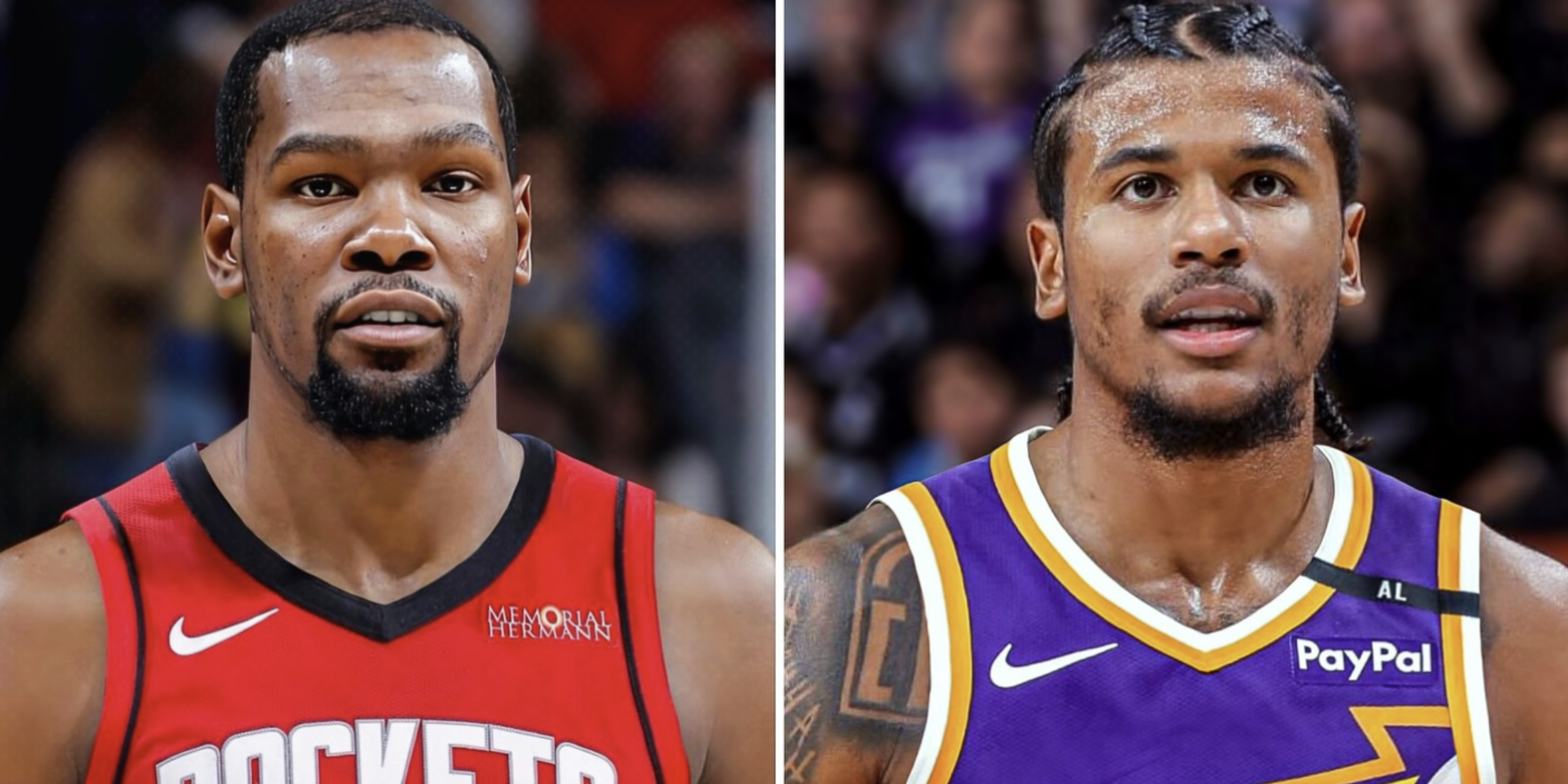
When the Phoenix Suns shipped superstar Kevin Durant to the Houston Rockets in a blockbuster 2025 deal, it sent shockwaves across the National Basketball Association.
For casual fans, the narrative centered entirely on the loss of a generational scorer and future Hall of Famer. But for sports finance analysts and front-office strategists, the trade represented something far more critical: a desperate, necessary escape from financial ruin.
Prior to the deal, the Suns were trapped in salary cap devastation [cite: ]. Pinned down by the bloated, top-heavy contracts of their “Big 3,” the franchise had zero financial flexibility, suffocating roster depth, and a looming repeater tax bill that threatened to choke the organization’s operating margins for years.
So, did parting ways with Kevin Durant successfully restack the Suns’ balance sheet, or did it simply trigger a painful, multi-year rebuild in the desert? Let’s run the numbers.
Salary Cap Straightjacket: Phoenix Had to Pivot
To understand the genius or the tragedy of the trade, you first have to look at the books. Durant’s max contract carried a staggering $54.7 million cap hit, serving as an anchor for a Phoenix roster that was already slammed hard against the league’s restrictive second apron.
Under the NBA’s modern, punitive Collective Bargaining Agreement (CBA), teams operating deep into the luxury tax face brutal restrictions:
- Frozen Roster Flexibility: Teams past the second apron lose access to standard exceptions, making it nearly impossible to sign quality veteran free agents or execute sign-and-trade deals.
- Escalating Tax Penalties: Every dollar spent over the tax line multiplies aggressively, especially for repeat offenders. Keeping Durant alongside their existing max contracts meant the Suns were staring down a projected $70 million-plus luxury tax bill for a roster that couldn’t even escape the early rounds of the postseason.
The front office realized a fundamental rule of modern sports finance: paying historic money for a top-tier star is only viable if the surrounding ecosystem can generate enough wins and revenue to justify the overhead. In Phoenix, the math simply stopped working.
Asset Yield and Cap Liquidity
When evaluating a superstar trade, front offices look at two distinct currencies: immediate financial relief and long-term asset accumulation. In return for Durant, the Suns executed a multi-team framework that netted a robust package anchored by Jalen Green, Dillon Brooks, the No. 10 overall pick in the 2025 NBA Draft, and five future second-round selections.
- Shedding Apex Salary: Moving Durant wiped a massive max-tier salary obligation off the books, instantly resetting Phoenix’s luxury tax outlook and providing clean breathing room under the apron thresholds.
- Youthful Cost-Control: In Jalen Green and a high-lottery draft asset, the Suns swapped an aging, hyper-expensive veteran contract for cost-controlled, ascending talent. This shifts their financial risk profile from short-term desperation to long-term asset appreciation.
- Draft Capital Currency: Future second-round picks and rookie-scale contracts give the front office the exact trade chips required to maneuver in future transaction windows without gutting future payroll.
📊Before vs. After the Durant Reset
| Financial & Roster Metric | The “Big 3” Era (Pre-Trade) | The Post-Durant Financial Reset |
| Primary Star Salary Burden | Kevin Durant (~$54.7M cap hit) | Cost-controlled assets (Green, Brooks, rookies) |
| Luxury Tax Exposure | Projected $70M+ tax/repeater penalties | Significantly reduced, avoiding apron penalties |
| Roster Depth & Flexibility | Severely restricted by second apron rules | Reopened mid-level and trade exception flexibility |
| Asset Timeline | Win-now at all costs, zero future flexibility | Balanced timeline: youth development + trade chips |
Short-Term Revenue vs. Long-Term Health
No major corporate restructuring happens without friction, and the business of basketball is no exception.
- The Fan Engagement Dip: Moving a global icon like KD inevitably stings the gate. Ticket demand, premium suite renewals, and merchandise sales face a brief cooling period when a top-tier superstar departs.
- Balancing Competitiveness: Ownership and management must thread the needle carefully. If a rebuild drops the team into prolonged irrelevance, local broadcast ratings and sponsorship yields can take a direct hit. However, by retaining pieces like Devin Booker and Bradley Beal while injecting physical grit and youth via Brooks and Green, the Suns engineered a soft pivot rather than a total, bottoming-out teardown.
Bottom Line
The Phoenix Suns’ decision to trade Kevin Durant was never about basketball purity; it was a cold, calculated exercise in balance sheet management. By escaping the suffocating financial traps of the second apron and shedding a $54 million max salary, Phoenix traded short-term star power for long-term operational health and roster agility.
For sports executives and finance junkies alike, the lesson is universal: in the modern economic landscape of professional sports, cap space flexibility and asset liquidity will always win out over unsustainable payroll bloat.
Kevin Durant Trade & Suns Finance FAQs
Why did the Phoenix Suns trade Kevin Durant?
The Suns traded Durant to escape crippling salary cap restrictions and luxury tax penalties. With Durant’s max contract pushing the team deep past the second apron, Phoenix lacked the financial flexibility to build adequate roster depth around their core.
What did the Suns receive in return for Kevin Durant?
In the blockbuster 2025 multi-team trade, the Suns acquired young guard Jalen Green, veteran wing Dillon Brooks, the No. 10 overall pick in the 2025 NBA Draft, and multiple future second-round draft picks.
How did trading Durant affect the Suns’ luxury tax bill?
Shedding Durant’s $54.7 million cap hit provided immediate salary relief, helping Phoenix evade a projected $70 million-plus luxury tax and repeater penalty bill for the upcoming season.
Did the trade trigger a franchise rebuild for Phoenix?
Rather than a total teardown, the Suns executed a strategic financial reset. By bringing in productive rotation pieces like Green and Brooks alongside premium draft capital while retaining other core stars, Phoenix balanced short-term competitiveness with long-term financial flexibility.
Next Reads
- Kevin Durant’s Trade to the Houston Rockets
- Phoenix Suns Minority Owner Lawsuit: Revenue Strategy, Valuation Math & Control Rights in the Modern NBA
- Financial Impact of a Torn Achilles in Pro Sports
- How Rich Paul Got a Fringe NBA Prospect a $10 Million Contract
- KAT on the Trade Block: Financial Implications if the Knicks Trade Karl Anthony-Towns Out of New York
Disclaimer: This article contains general financial information for educational purposes and does not constitute professional advice. APSM estimates are derived from publicly available information, tax assumptions, finance modeling, and industry-standard fee structures. Actual earnings may vary based on residency elections, private contract provisions, image/media rights agreements, bonuses, and tax filings.