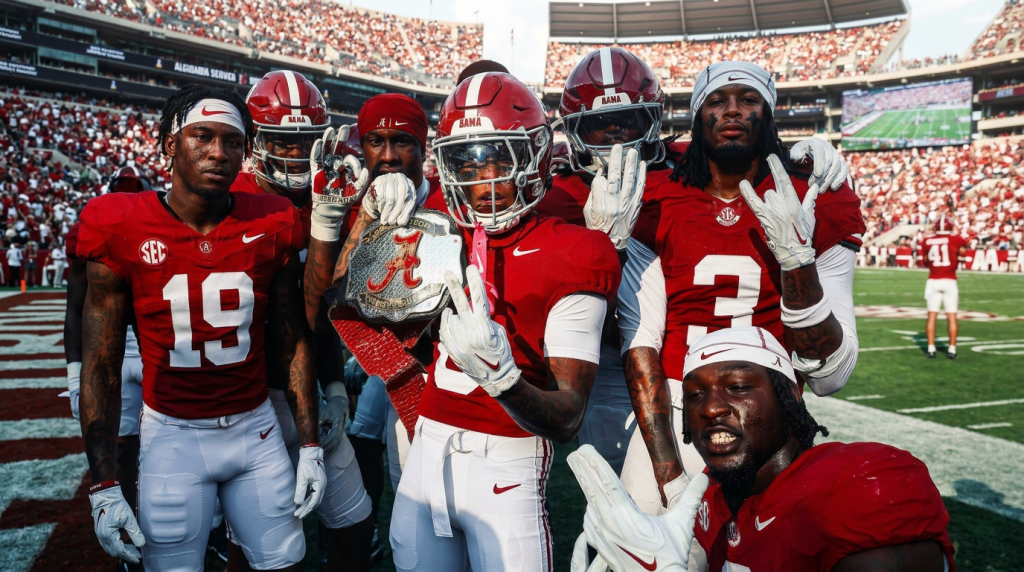

The 2026 NFL Draft first round class is on pace to collectively earn over $916 million in rookie contract value alone, with signing bonuses accounting for more than $542 million of that total.
What the headlines don’t tell the fans, is that gross contract value and what these players actually take home are two very different conversations.
APSM breaks down every pick, every deal, and every financial decision these 32 rookies face before they play a single regular season snap.
From signing bonus net investments, to residency impact on tax savings and building a net worth that will last generations.
The money surrounding the NFL draft is the story that is not covered enough by the mainstream. APSM is here to fill the gap.
For all first round selections, financial advisors who specialize in professional athletes consistently recommend living off base salary and endorsement income while allowing signing bonuses to compound untouched.
Every investment scenario in this article reflects that philosophy and uses net income analysis based on an athletes most likely resident state or best, tax-wise, between their University and the state they got drafted to.
Selection #1: Fernando Mendoza |
Las Vegas Raiders
Position: QB | University: Indiana | Age: 24
| Contract Detail | Value |
|---|---|
| Contract Value | $57,271,500 |
| Contract Years | 4 + 5th Year Option |
| Contract AAV | ~$14,317,875 |
| Signing Bonus | ~$38,112,000 |
| State Income Tax (Indiana) | 3.05% |
| State Income Tax (Nevada) | 0% |
Financially Beneficial to Change Residency?
Yes (~3.05% savings)
If Fernando Mendoza, the reigning Heisman trophy winner, national champion, and now the first player off the board in the 2026 NFL Draft moves his primary residence from the state of Indiana to the desert of Nevada, he could save ~3.05% in income tax on his non-jock-taxed income.
By establishing residency in the state of Nevada over Indiana, he could save ~$1.16 million in tax savings by simply updating his primary address.
Everyone pays federal tax.
The state you choose to live in is entirely up to you.
2026 Post-Draft Net Worth Valuation:
~$25-30+ million
Potential 2030 Net Worth Valuation:
~$45-$60+ million
Net Signing Bonus Investment Scenario
- Gross Signing Bonus: $38,112,000
- Federal Tax (37%): $24,010,560
- NV Income Tax (0%)
- Estimated Net Signing Bonus: $24,010,560
| Investment Scenario (Signing Bonus, 5 Years) | Projected Value |
|---|---|
| 10% Index Fund Return | ~$38.7M |
| 12% Index Fund Return (Most Likely) | ~$42.3M |
| 15% Index Fund Return | ~$48.4M |
| 20% Index Fund Return | ~$59.8M |
A 10% annual return reflects the S&P 500’s historical long-term average and is the most conservative realistic scenario for a diversified index fund held over a multi-year period.
A 15% return is achievable in today’s inflationary economic environment, because when inflation drives up the cost of goods and services, it simultaneously pushes corporate revenues and stock valuations higher.
Which, is also why high-inflation periods have historically produced above-average market returns.
A 20% return is rare but not unprecedented, as the S&P 500 returned over 20% in both 2023 and 2024 and the market grew steadily as a whole.
The most probable real-world outcome for a 5-year horizon in the current economy sits around 12%, which would put Mendoza’s compounded signing bonus at ~$42.3 million by 2030/2031 (5th year option/extension period).
Past performance does not guarantee future results.
Mendoza was earning millions during his 2025 CFB Heisman winning campaign, and now is in one of the wealthiest markets in the entire U.S being drafted to Las Vegas.
While APSM does not advise anyone to do anything, for first round draftees, most advisors would tell their clients to live off of their previous collegiate earnings and NFL sponsorship earnings, while allowing their signing bonus to compound for their entire rookie deal.
Depending on how aggressive Mendoza wants to be with compounding, he could turn his rookie deal into generational wealth and live off passive income for the rest of his life.
Even if Fernandolorian never sees his 5th year option due to injury, being a bust or chooses the Andrew Luck eques retirement route.
The average NFL career is just 3.3 years. While #1 picks rarely fall into that average, financial literacy from Day 1 is the difference between building a legacy or becoming a statistic.
Over 70% of pro athletes are financially distressed within 5 years of retirement. Mendoza has every tool to be on the generational side, financially and potentially on the field as well.
Want to Understand How Athletes Actually Lose it All?
The APSM “7 Ways Athletes Go Broke” Report Includes inside looks into the primary reasons more athletes end up broke than not after retirement.
Hidden behavioral traps behind financial collapse.
Poor spending patterns that drain wealth faster than income can replace it.
High-risk advisors and predatory industries.
Divorce, taxes, lifestyle creep & breakdowns.

These are real athlete case studies you can learn from to avoid the same fate as an
athlete, parent, advisor or fan alike.
Future-proof your own frameworks,
avoid the exact same mistakes.
If you want real financial literacy,
the kind that protects you, not just informs you,
this is the blueprint.
Selection #2: David Bailey |
New York Jets
Position: EDGE | University: Texas Tech | Age: 21
| Contract Detail | Value |
|---|---|
| Contract Value | $54,674,726 |
| Contract Years | 4 + 5th Year Option |
| Contract AAV | ~$13,668,681.50 |
| Signing Bonus | ~$36,800,000 |
| State Income Tax (Texas) | 0% |
| State Income Tax (New York) | 10.9% |
Financially Beneficial to Change Residency?
No – Bailey comes from the state of Texas (no state income tax) and is now playing in New York (10.9%). He should absolutely NOT establish
New York State residency.
This is one of the most financially consequential residency situations in the entire 2026 draft class, if David Bailey were to move his primary address out of Texas and move it to the Big Apple.
New York has one of the highest state income tax rates in the country at 10.9% at the top bracket, plus New York City also levies an income tax if he lives within the five boroughs, which would add another ~3.9% to his tax liabilities.
Bailey playing in New Jersey (MetLife Stadium) creates a slightly different jock tax situation than playing in NYC proper, but the message is clear.
Bailey should establish residency in Texas if he has not already, keep his residency status in Texas, and work with a tax professional to properly document and protect that status every single season.
An additional 14% in net losses to state and city income taxes alone, on top of the already 37% top federal tax bracket, would mean Bailey would pocket less half of his signing bonus on total salary across his rookie deal.
That is the difference in netting ~$25 million after federal taxes and them alone in no income tax states, versus keeping ~$17 million just by changing his address.
No matter who you are, how great you are what you do or how rich you become, $8 million can be turned into generational wealth itself, if the funds invested and managed properly.
So, paying that amount just in state taxes alone, especially when you have the option to not, would be worse than just financially illiterate.
It would be just be downright idiotic.
Bailey can rent in the Big Apple, but any financial advisor would beg him to keep the address on his ID in Texas.
2026 Post-Draft Net Worth Valuation:
~$20-$25+ million
Potential 2030 Net Worth Valuation:
~$35-$45+ million
Net Signing Bonus Investment Scenario
- Gross Signing Bonus: $36,800,000
- Federal Tax: $23,184,000
- TX Income Tax (0%)
- Estimated Net Signing Bonus: $23,184,000
| Investment Scenario (5 Years) | Projected Value |
|---|---|
| 10% Index Fund Return | ~$37.3M |
| 12% Index Fund Return | ~$40.8M |
| 15% Index Fund Return | ~$46.6M |
| 20% Index Fund Return | ~$57.7M |
If Bailey makes the catastrophic mistake of establishing NY residency (10.9%), his net would drop to ~$20,651,520, representing a ~$2.5 million Day 1 loss, before rushing the QB for a single snap.
A 10% return is the average ROI for index fund returns such as the S&P500. If Bailey invested his entire signing bonus and saw just average growth, he would turn his ~$23.2 million post tax signing bonus into ~$35 million or more.
$12 million is not a number anyone can scoff at when you are still earning tens of millions from base salary, appearances and sponsorships.
A 15% return is on the higher side, but due to high inflation happening in the U.S. in 2026, this ROI rate becomes achievable.
If Bailey hit a 15% average return over the next 5 years of his rookie deal he could essentially double his signing bonus while avoiding taxes until he takes out the standard 4%/year in which he would then owe capital gains, while still growing his account rapidly.
A 20% return would mean Bailey’s initial signing bonus investment could hit 250% or more in growth on his initial investment of the ~$23.2 million.
While hitting a 20% ROI year over year for the next five years is extremely unlikely, the S&P500 did see 20%+ growth in both 2023 and 2024, making this scenario viable, even if unlikely.
The most likely scenario for index fund and mutual fund growth would be 12%/year over the next 5 years, as this fits in between the highest possibility and the average, making 12% the mean ROI.
Even at this rate, Bailey can turn his singing bonus into ~$40.5 million, while never touching the money in the account.
While most people see athletes earning tens of millions as lucky, they work hard for the money they make and are some of the most athletic people on the planet.
Financial literacy is not the main focus for most pros, which is also why unfortunately over 70% of all NFL athletes will end up broke within just 5 years of retirement.
While this is unlikely to happen to first round sections, life is life and anything can happen.
Be a Russell Wilson, not an Adrian Peterson with your money.
Selection #3: Jeremiyah Love |
Arizona Cardinals
Position: RB | University: Notre Dame | Age: 21
| Contract Detail | Value |
|---|---|
| Contract Value | $53,022,816 |
| Contract Years | 4 + 5th Year Option |
| Contract AAV | ~$13,255,704 |
| Signing Bonus | ~$35,022,048 |
| State Income Tax (Indiana — Notre Dame) | 3.05% |
| State Income Tax (Arizona) | 2.5% |
Financially Beneficial to Change Residency?
Marginally – Arizona is slightly better than Indiana (0.55% savings). Arizona is a reasonable choice and
presents a better housing market than Indiana.
Whether Jeremiyah Love stays in the state of Indiana, or moves his address to Arizona, there are no relatively large difference in net income, giving the young man options.
Arizona levies their income tax on less than 1% more of gross income than Indiana, but has a stronger housing market that is on the rise, as well as a bigger entertainment market.
Cities like Phoenix and Tucson are on the rise financially, so if Love wants to take advantage of more media, tech and other business opportunities or ventures, he may choose to leave the state of Indiana in the past.
However, if he wants to save $50k or more in taxes per year, he could buy a large property in Indiana and only play in Arizona, paying their jock taxes but avoiding the slightly higher taxes.
Love is the highest drafted running back since Saquon Barkley, and with that comes an uncomfortable financial reality.
The truth of it, is that running backs historically have the shortest careers in the NFL and have the toughest time securing large second contracts.
The 5th year option on this deal is valuable but not guaranteed to be exercised.
Love should approach this rookie contract as if it’s his only NFL payday, invest aggressively from Day 1, and build a financial foundation that doesn’t depend on an extension or receiving a second deal.
2026 Post-Draft Net Worth Valuation:
~$20-$25+ million
Potential 2030 Net Worth Valuation:
~$35-$45+ million
Net Signing Bonus Investment Scenario
- Gross Signing Bonus: $35,022,048
- Federal Tax (37%): $22,063,890
- AZ Income Tax (2.5%): (-$551,597)
- Estimated Net Signing Bonus: $21,512,293
| Investment Scenario (5 Years) | Projected Value |
|---|---|
| 10% Index Fund Return | ~$34.6M |
| 12% Index Fund Return | ~$37.9M |
| 15% Index Fund Return | ~$43.3M |
| 20% Index Fund Return | ~$53.6M |
Reports have already come out across social media that Love was going to invest his entire NFL signing bonus and rookie salary for his family and live off of his NIL earnings from his time at Notre Dame.
This is going to continue to be the best option for first round NFL Draft selections for years to come due to the NIL era, as players are now able to become millionaires prior to thinking about going pro.
Less than 5% of all collegiate football players will see their names on the NFL combine list and not every guy who goes is bound to be selected or even guaranteed to make the league at all.
This is why for the players who are at the top of their class and end up being selected in the first round should absolutely take advantage of their guarantees, signing bonuses and high rookie salaries and invest nearly all of it into the market and real estate, if not proven assets that appreciate.
The average length for an NFL career is just 3.3 years and that is not going to change due to college athletes being able to make money from NIL, it actually may lessen the amount of athletes who choose to go pro, or how long they chase the bag.
It also shows that what Love is proposing he is going to do with his NFL money is the smartest option, especially for a running back who may never see another deal after his rookie contract, even as the 3rd overall pick.
If Love follows through on what he told the media at his rookie media day and invests his entire signing bonus of ~$35 million, he can potentially turn that into $50+ million by the end of his rookie deal.
While the table above illustrates 10%, 12%, 15% and as high as 20% average annual returns on his initial $35 million investment, 12% is the most likely growth scenario.
Some years index funds such as the S&P500 can grow 15-20% or higher, while some years return less than 10%, so while not every year is going to see the same compound growth the average will still make him worth $50 million or more by just putting the money in and not touching it.
Love has one of the best financial situations in the draft for a rookie, as he was a top paid NIL athlete at Notre Dame, was drafted to a state where income tax is not much higher and the housing market is booming in areas like Phoenix and Tucson.
He can move his residency without losing much to taxes, while also taking advantage of the housing market as an investment as well, likely seeing better appreciation rates than if he were to remain in the state of Indiana.
Overall, Love is a rookie on the field, but a vet when it comes to sound financial decisions.
Athletes from high school level to even pros can look to this young man as a prime example of understanding the importance of financial literacy, especially when millions are at hand.

Selection #4: Carnell Tate |
Tennessee Titans
Position: WR | University: The Ohio State | Age: 20
| Contract Detail | Value |
|---|---|
| Contract Value | $51,134,910 |
| Contract Years | 4 + 5th Year Option |
| Contract AAV | ~$12,783,727.50 |
| Signing Bonus | ~$33,600,000 |
| State Income Tax (Ohio) | 3.75% |
| State Income Tax (Tennessee) | 0% |
Financially Beneficial to Change Residency?
Yes – moving from Ohio to Tennessee saves 3.75% in state income tax. On a $33.6 million signing bonus, that’s ~$1.3 million in tax savings.
While Ohio has a relatively large sports market, especially in the NFL (Browns, Bengals), the state of Tennessee has no state income tax, making Nashville one of the best financial destinations in the NFL as it presents a relatively low cost of living, rising housing market and great tax situation.
Carnell Tate was the surprise of the top 5, not because he isn’t top talent material, but rather because wide receivers going this early in the draft always carry positional “premium” risk.
The financial upside for Tate due to being selected at #4 is the difference of millions earned and is one of the best financial stories of the 2026 draft.
While David Bailey at #2 would be saving tens of millions over the course of his rookie deal in taxes by NOT moving to the states of New York or New Jersey, Tate has the opportunity to keep more of his money by moving his residency to Tennessee.
The rookie can choose to establish Tennessee residency immediately, work with a certified financial planner who specializes in athletes (not a family friend), and begin compounding the moment he opens his stock brokerage account and the signing bonus check clears.
2026 Post-Draft Net Worth Valuation:
~$20-$25+ million
Potential 2030 Net Worth Valuation:
~$35-$45+ million
Net Signing Bonus Investment Scenario
- Gross Signing Bonus: $33,600,000
- Federal Tax (37%): $21,168,000
- TN Income Tax (0%)
- Estimated Net Signing Bonus: ~$21,168,000
| Investment Scenario (5 Years) | Projected Value |
|---|---|
| 10% Index Fund Return | ~$34.1M |
| 12% Index Fund Return | ~$37.3M |
| 15% Index Fund Return | ~$42.6M |
| 20% Index Fund Return | ~$52.7M |
Carnell Tate was a standout wideout for the Buckeyes in his time at The Ohio State University, and now is expected to be Cam Ward’s number one option out of the gate.
Tennessee has not seen the playoffs in recent years after the departure of King Henry (Ravens) and A.J. Brown (Eagles), but have been making solid business choices in their rebuild of both their team and stadium.
Cam Ward gives an inside look to the Titans new stadium on his YouTube channel if you want to take a closer look (and then finish reading of course).
While most major stadiums are being rebuilt around the U.S. due to the FIFA World Cup 2026 just being months away and FIFA requiring the best of the best for the tournament, it is actually a major win for players in the NFL, especially rookies like Carnell Tate.
Tate will now have the best field to perform on his rookie year and beyond, which also lowers the chances of injuries, which in turn means Tate gets to keep more of his rookie deal earnings.
If Tate follows suit of Jeremiyah Love and listens to his financial advisor, he can turn his ~$21.6 million net signing bonus into over $35 million by 2031 if the market follows the lower average of ~12% growth year over year.
U.S. inflation is also up over 3% now as of May 2026, which actually tends to make the stock market overperform, so while prices and cost of living goes higher, so does index fund average returns.
If Tate sees an ROI on his investments of 15% or more year over year, he can live off his NIL and NFL base salary for the entirety of his rookie deal and even if he never played another snap after 2030, would still have a net worth of $35 million or more (taxes + capital gains lower net worth).
Carnell Tate should be a solid addition to the Titans and shows their investment into last seasons #1 pick Cam Ward.
If the Titans made the right choice and Tate performs well, Cam Ward and him can grow both their career numbers and their bank accounts exponentially together.
Selection #5: Arvell Reese |
New York Giants
Position: LB | University: The Ohio State | Age: 20
| Contract Detail | Value |
|---|---|
| Contract Value | $47,831,802 |
| Contract Years | 4 + 5th Year Option |
| Contract AAV | ~$11,957,950.50 |
| Signing Bonus | ~$31,200,000 |
| State Income Tax (Ohio) | 3.75% |
| State Income Tax (New York) | 10.9% |
Financially Beneficial to Change Residency?
No – moving from Ohio to New York would mean an additional 7.15% in state income tax owed by the rookie, compared to remaining in Ohio.
On a $31.2 million signing bonus,
that’s ~$2+ million in tax savings.
Arvell Reese is a Cleveland kid.
He grew up at Glenville High School on the east side of Cleveland, went to Columbus and became a Consensus All-American and Big Ten Linebacker of the Year, won a national championship, and is now heading to New York as the 5th overall pick in the NFL Draft.
The story is great. The tax situation is not.
Ohio levies a 3.75% state income tax.
New York’s top bracket sits at 10.9%, and if Reese establishes residency in New York City itself, he’d owe an additional 3.876% in city income tax on top of that, pushing his total state and local tax burden to nearly 14.8%, or in other words, millions gone to taxes.
That is the second worst tax scenario in this entire draft class, trailing only the California situation for the Rams and Chargers picks.
On a $31.2 million signing bonus, the difference between maintaining Ohio residency at 3.75% versus establishing New York State residency at 10.9% is approximately $2.23 million in additional state taxes owed, before he plays a single regular season snap. If he makes the mistake of establishing New York City residency specifically, that gap widens to over $3.4 million.
Reese is represented by Klutch Sport, one of the most sophisticated sports agencies in the country, home to LeBron James and a roster of elite clients.
The expectation is that Klutch’s financial team will steer Reese away from the New York residency trap.
But it is worth noting publicly because it happens more often than it should, players fall in love with the city, sign leases in Manhattan, and inadvertently establish residency in one of the highest-taxed jurisdictions in the United States.
Reese should keep his Ohio residency, or explore establishing residency in a no-income-tax state through legitimate family ties or property ownership, and treat New York as a place he works, not where he legally lives on paper.
2026 Post-Draft Net Worth Valuation:
~$20-$25+ million
Potential 2030 Net Worth Valuation:
~$35-$45+ million
Net Signing Bonus Investment Scenario
- Gross Signing Bonus: $31,200,000
- Federal Tax (37%): $19,656,000
- OH Income Tax (3.75%): (-$1,170,000) vs
- NY Income Tax (10.9%): (-$3,400,800)
- Estimated Net Signing Bonus: ~$18,486,000
(OH over NY)
| Investment Scenario | 5-Year Projected Value |
|---|---|
| 10% Index Fund Return | ~$29.7M |
| 12% Index Fund Return | ~$32.6M |
| 15% Index Fund Return | ~$37.1M |
| 20% Index Fund Return | ~$46M |
The Giants’ new head coach John Harbaugh attended Ohio State’s pro day personally, which signals that Reese was not just a value pick at #5, he was the target all along.
Reports confirmed Reese was the number one player on the Giants’ draft board. That kind of organizational conviction in a player at this age typically translates to long-term investment.
At just 20 years old, Reese has more time than almost anyone in this class to let his signing bonus compound. A player who invests ~$18.9 million at age 20 and doesn’t touch it for a decade isn’t looking at $35–$45 million when his playing days are over.
He’s looking at a completely different number.
The 12% most likely scenario over 10 years on $18.9 million approaches $60 million from the signing bonus alone, before a single dollar of base salary, endorsements and sponsorship income, or second contract money is factored in.
Financial literacy from Glenville to Giants Stadium.
Reese has all the tools on the field. His residency decision will determine how much of the money he actually keeps. Don’t let New York take what Ohio doesn’t have to give.
Selection #6: Mansoor Delane |
Kansas City Chiefs
(traded up from #9)
Position: CB | University: LSU Tigers | Age: 21
| Contract Detail | Value |
|---|---|
| Contract Value | $41,931,992 |
| Contract Years | 4 + 5th Year Option |
| Contract AAV | ~$10,482,998 |
| Signing Bonus | ~$25,611,000 |
| State Income Tax (Louisiana) | 3.0% |
| State Income Tax (Missouri/Kansas — KC) | 4.95% |
Financially Beneficial to Change Residency?
No – Louisiana is actually slightly better.
Delane should establish residency away from
Missouri/Kansas if possible.
Kansas City straddles two states that have relatively low-moderate income tax rates but do not present top housing markets in the U.S. either.
Missouri levies a 4.95% top marginal income tax rate and Kansas levies 5.7%.
Mansoor Delane coming from the state of Louisiana is actually moving to a slightly higher-tax environment as The Bayou state levies just a 3% top income tax rate.
While of course it is always worth consulting a tax professional about residency options, particularly if he has ties to a no-tax state, on the surface it would be best if Delane chose to keep and/or establish his primary residence in the state of Louisiana.
Chiefs Kingdom is a financially demanding market, especially after the highest paid player in history, Patrick Mahomes, built his brand there but also has elite second-contract money to absorb it.
Delane, and all rookies alike, need to build on this rookie deal and be strategic with both their endorsements income and residency decisions from the start.
Playing in the NFL is more than just entertainment for fans, or money for investors and the league.
It is a way that these athletes children will never have to worry about where there next meal will come from, but only if every player treats the sport like the end is tomorrow.
Because tomorrow is never promised.
While a ~$25.6 million signing bonus is nothing to scoff at, playing and living in the deep south presents lower investment opportunities and does not have large housing markets compared to states that possess major cities and companies.
Delane would actually lose money by moving his residency out of Louisiana, unless it was to a no income tax state like Florida.
When the likelihood of you going broke within 5 years of retirement is over 70% and 3.3 years is the average NFL career length, ~$15 million net, sitting with no growth, can last a lifetime if you live moderate but will not allow for any luxury outside of a large property and/or nice home.
This is especially true if you want to build wealth that lasts longer than your own lifetime.
While most people see these contract numbers and think athletes are set for life, a part of humankind that seems to be left out is that lifestyle creep is real.
When someone can access better, it takes discipline to remain living below your means. This is why financial literacy should be the forefront thought for all athletes, collegiate and beyond.
2026 Post-Draft Net Worth Valuation:
~$15-$20 million
Potential 2030 Net Worth Valuation:
~$25-$30+ million
Net Signing Bonus Investment Scenario
- Gross Signing Bonus: $25,611,000
- Federal Tax (37%): $16,134,930
- LA Income Tax (3%) (-$480,438)
- Estimated Net Signing Bonus: $15,654,492
| Investment Scenario (5 Years) | Projected Value |
|---|---|
| 10% Index Fund Return | ~$25.2M |
| 12% Index Fund Return | ~$27.6M |
| 15% Index Fund Return | ~$31.5M |
| 20% Index Fund Return | ~$39M |
While Mansoor Delane likely made millions of dollars at his time with the LSU Tigers, the further down a player is drafted, the less money they receive and eventually guarantees dissipate entirely.
If Delane can follow suit of the guys drafted before him and sees the average year over year ROI on his initial investment of his entire net signing bonus amount, he can turn that ~$15 million into ~$25-30 million or more, before taking a single dollar out of the account, if ever.
Players in the first round are not just the top talent of their class, they are also the most fortunate in that they receive the highest contracts, signing bonuses, guarantees and have the best chances at seeing a second contract.
So, while Delane does not have the same financial worries as a 6th round selection or an undrafted guy like Diego Pavia, the APSM belief is that all athletes should live like they are not a first round selection.
Most financial advisors, especially great ones, would likely give you the same advice. Live below your means and be disciplined, because life lasts a lot longer than your career in the NFL.
No matter who you are, where you play or how long you play. Once that money dries up and you are no longer in the league, it becomes much harder to make anywhere near the annual income that you did during your playing days.
Selection #7: Sonny Styles |
Washington Commanders
Position: LB | University: The Ohio State | Age: 21
| Contract Detail | Value |
|---|---|
| Contract Value | $37,211,592 |
| Contract Years | 4 + 5th Year Option |
| Contract AAV | $9,302,898 |
| Signing Bonus | ~$23,500,000 |
| State Income Tax (Ohio) | 3.75% |
| State Income Tax (Virginia — Washington area) | 5.75% |
Financially Beneficial to Change Residency?
No – Ohio is lower than Virginia.
If possible, Styles could explore Maryland (5.75%), but should absolutely avoid the capital as the district levies a 10.75% income tax for top earners.
Washington D.C. itself has one of the highest in the country.
The Commanders play in Landover, Maryland which puts most players in Maryland’s 5.75% bracket if they establish their residency there.
Sonny Styles is coming to the DMV region from Ohio, which levies just a 3.75% income tax rate, so unless Styles stays in Ohio, anywhere he moves in the area will mean that he is entering a higher tax market.
The key here is to not establish DC residency under any circumstances, and to work with a tax advisor on whether Maryland or another state makes more sense for his specific situation.
2026 Post-Draft Net Worth Valuation:
~$15-$20 million
Potential 2030 Net Worth Valuation:
~$25-$35+ million
Net Signing Bonus Investment Scenario
- Signing Bonus Gross: $23,500,000
- Federal Tax (37%): $14,805,000
- OH Income Tax (3.75%): (-$555,188)
- Estimated Net Signing Bonus: $14,249,812
| Investment Scenario (5 Years) | Projected Value |
|---|---|
| 10% Index Fund Return | ~$23M |
| 12% Index Fund Return | ~$25.1M |
| 15% Index Fund Return | ~$28.7M |
| 20% Index Fund Return | ~$35.5M |
If Styles sees the most likely growth of 12% ROI year over year and invests his entire ~$14.2 million net signing bonus into index funds, mutual funds and/or bonds, he can grow his net worth by ~10 million or more by the end of his rookie deal.
He also can save millions in tax savings throughout his career by keeping his primary residence anywhere outside of the nation capitol, which can allow him to see faster investment portfolio growth.
With help from an official advisor who puts Styles money into strategic stock and real estate investments, the Saints new LB would be able to live off of his “side earnings” and have his portfolio appreciate the entire time he is in the NFL.
Selection #8: Jordyn Tyson |
New Orleans Saints
Position: WR | University: Arizona State | Age: 21
| Contract Detail | Value |
|---|---|
| Contract Value | $32,491,822 |
| Contract Years | 4 + 5th Year Option |
| Contract AAV | ~$8,122,955.50 |
| Signing Bonus | ~$20,100,000 |
| State Income Tax (Arizona) | 2.5% |
| State Income Tax (Louisiana) | 3.0% |
Financially Beneficial to Change Residency?
Marginally – Louisiana is slightly higher than Arizona income tax wise and presents a worse housing market. Tyson should maintain his residency in Arizona or another low-tax state.
Louisiana has no state income tax on wages for residents earning under certain thresholds but at Jordyn Tyson’s income level the full rate applies.
The difference is minor (0.5%) but on a ~$20 million signing bonus that’s still ~$100,000.
New Orleans is one of the most culturally rich cities in the NFL, it tends to pull players in emotionally and they establish roots.
Tyson should enjoy the city but be intentional about where his primary legal residence is from Day 1.
2026 Post-Draft Net Worth Valuation:
~$12-$15+ million
Potential 2030 Net Worth Valuation:
~$20-$25+ million
Net Signing Bonus Investment Scenario
- Gross Signing Bonus: $20,100,000
- After Federal Tax (37%): (-$12,663,000)
- After AZ Income Tax (2.5%): (-$316,575)
- Estimated Net Signing Bonus: $12,346,425
| Investment Scenario (5 Years) | Projected Value |
|---|---|
| 10% Index Fund Return | ~$19.9M |
| 12% Index Fund Return | ~$21.7M |
| 15% Index Fund Return | ~$24.8M |
| 20% Index Fund Return | ~$30.7M |

Selection #9: Spencer Fano |
Cleveland Browns
Position: OT | University: Utah | Age: 21
| Contract Detail | Value |
|---|---|
| Contract Value | $32,255,828 |
| Contract Years | 4 + 5th Year Option |
| Contract AAV | ~$8,063,957 |
| Signing Bonus | ~$19,700,000 |
| State Income Tax (Utah) | 4.65% |
| State Income Tax (Ohio) | 3.75% |
Financially Beneficial to Change Residency?
Yes – Ohio is lower than Utah. Establishing and/or maintaining Ohio residency saves Fano ~0.9% in income tax, ~$150,000 on his signing bonus alone.
Cleveland isn’t the glamour market but it’s financially smarter than playing in Utah.
Spencer Fano is a prototypical blind-side tackle entering a Browns organization that desperately needs stability on the offensive line.
His career longevity projection is strong, especially as in the new era of football elite tackles age well and often earn second contracts north of $20+ million per year.
Every dollar saved on taxes in these early years compounds significantly over time.
2026 Post-Draft Net Worth Valuation:
~$12-$15+ million
Potential 2030 Net Worth Valuation:
~$20-$25+ million
Net Signing Bonus Investment Scenario
- Gross Signing Bonus: ~$19,700,000
- Federal Tax (37%): $12,411,000
- OH Income Tax (3.75%): (-$465,413)
- Estimated Net Signing Bonus: ~$11,945,587
| Investment Scenario (5 Years) | Projected Value |
|---|---|
| 10% Index Fund Return | ~$19.2M |
| 12% Index Fund Return | ~$21M |
| 15% Index Fund Return | ~$24M |
| 20% Index Fund Return | ~$29.8M |
Selection #10: Francis Mauigoa |
New York Giants
Position: OT | University: Miami | Age: 21
| Contract Detail | Value |
|---|---|
| Contract Value | $30,958,330 |
| Contract Years | 4 + 5th Year Option |
| Contract AAV | ~$7,739,582.50 |
| Signing Bonus | ~$18,600,000 |
| State Income Tax (Florida — Miami) | 0% |
| State Income Tax (New York) | 10.9% |
Financially Beneficial to Change Residency?
No – Do NOT establish New York residency.
Francis Mauigoa and David Bailey will be playing in the same stadium and state but not in the same uniform, but they both also share a similar residency situation.
Both the states of Texas and Florida do not levy state income tax, and New York has the highest top bracket in the country with a 10.9% income tax rate for top earners.
The Giants and Jets may play in New Jersey but the financial exposure for establishing NYC/New York State residency is massive.
Mauigoa going from Florida (0%) to New York (10.9%) would become the worst residency scenario in this draft class if he’s not careful.
Mauigoa should keep his residency in Florida or change it to their if he has not already, document it properly with his financial advisor, and also understand the jock tax implications of playing in New York throughout the NFL season.
2026 Post-Draft Net Worth Valuation:
~$11.5-$13+ million
Potential 2030 Net Worth Valuation:
~$18-$22+ million
Net Signing Bonus Investment Scenario
- Gross Signing Bonus: $18,600,000
- Federal Tax (37%): $11,718,000
- FL Income Tax (0%)
- Estimated Net Signing Bonus: $11,718,000
| Investment Scenario (5 Years) | Projected Value |
|---|---|
| 10% Index Fund Return | ~$18.9M |
| 12% Index Fund Return | ~$20.6M |
| 15% Index Fund Return | ~$23.6M |
| 20% Index Fund Return | ~$29.2M |
NY residency (10.9%) would drop Mauigoa’s net to invest by ~$2 million vs keeping Florida residency.
The Giants chose Jaxon Dart last year to lead their team into the future, and they showed that they are backing that decision by getting him protection for years to come.
With the first lineman off the board, Mauigoa is expected to play and perform immediately.
Lineman have an interesting financial slope that most fans tend not to see.
Lineman often do not get much media attention or are often unknown by many casual viewers.
Compared to quarterbacks, running backs and wideouts, the ones who perform the best often last longer in the league than skill players and tend to make more money as well.
Mauigoa was a silent reason that Cam Beck and the Hurricanes made it all the way to the CFP Championship last season, and now he is one of the top five selections because of his performance.
If Mauigoa chose to invest his entire signing bonus as well and followed the likes of the guys before him, he could turn ~$18.6 million gross into ~$20 million or more net by 2030, if his investments see just moderate returns and he doesn’t let lifestyle creep in the big city get to his head.
Francis Mauigoa would also save tens of millions over the course of his rookie deal if he does NOT establish New York or New Jersey residency, meaning his net worth will be higher and he would pay a majority of taxes on his base salary if he doesn’t touch his brokerage account.
After retirement he could have $50-$100 million or more just in index funds, mutual funds and bonds, and if he lived off just 4% per year (~$2-$4 million), he could establish generational wealth, while not becoming too public of a name/figure.
Mauigoa is one of the best players off the board, and he also has one of the best financial opportunities, as he can silently become highly paid and highly respected, extremely wealthy and never have to worry about the spotlight.
In a world full of skill players, don’t sleep on being a Francis Mauigoa, young, rich and private.
Selection #11: Caleb Downs |
Dallas Cowboys
Position: S | University: The Ohio State | Age: 21
| Contract Detail | Value |
|---|---|
| Contract Value | $28,951,992 |
| Contract Years | 4 + 5th Year Option |
| Contract AAV | ~$7,237,998 |
| Signing Bonus | ~$17,200,000 |
| State Income Tax (Ohio) | 3.75% |
| State Income Tax (Texas) | 0% |
Financially Beneficial to Change Residency?
Yes – one of the best residency situations in the draft. Moving from Ohio (3.75%) to Texas (0%) saves Downs ~$650,000 on his signing bonus alone.
Downs going to Dallas is a financial win on multiple levels.
Texas has no state income tax, a strong real estate market in the DFW area, and the Cowboys’ brand value makes sponsorship potential among the highest for any player at his draft position.
Downs should establish Texas residency immediately, invest aggressively in the Texas real estate market, which has shown strong appreciation, and leverage the Cowboys’ media platform for other financial opportunities early.
2026 Post-Draft Net Worth Valuation:
~$11-$13+ million
Potential 2030 Net Worth Valuation:
$15-$20+ million
Net Signing Bonus Investment Scenario
- Gross Signing Bonus: $17,200,000
- Federal Tax (37%): $10,836,000
- TX Income Tax (0%)
- Estimated Net Signing Bonus: $10,836,000
| Investment Scenario (5 Years) | Projected Value |
|---|---|
| 10% Index Fund Return | ~$17.4M |
| 12% Index Fund Return | ~$19.1M |
| 15% Index Fund Return | ~$21.8M |
| 20% Index Fund Return | ~$27M |
If Downs chose to maintain his residence in Ohio on his rookie deal, he would be paying an additional ~$650k in state taxes annually over the course of the 4-year deal, when he could be investing that instead.
At the most likely growth of 12%, Downs moving his residency to Texas and investing the entirety of his ~$10.8 million signing bonus into a stock and real estate portfolio could mean he grows his net worth by near double by 2030-2031.
Even if Downs never played another snap of football and made the average of just a four year career in the NFL, he would still have generational wealth, investments and properties, while living a luxury life off his base salary and sponsorships.
Selection #12: Kadyn Proctor |
Miami Dolphins
Position: OT | University: Alabama | Age: 21
| Contract Detail | Value |
|---|---|
| Contract Value | $26,120,482 |
| Contract Years | 4 + 5th Year Option |
| Contract AAV | ~$6,530,120.50 |
| Signing Bonus | ~$15,400,000 |
| State Income Tax (Alabama) | 5.0% |
| State Income Tax (Florida) | 0% |
Financially Beneficial to Change Residency?
Yes – Florida has zero state income tax. Moving from Alabama (5.0%) could save Proctor ~$750,000+ on his signing bonus alone.
Kadyn Proctor landing in Miami is a financial lottery ticket on the residency side.
Florida has no state income tax and Miami real estate, while expensive, has shown extraordinary appreciation over the last decade.
The lifestyle factor of playing in Miami also means players tend to stay, but lifestyle creep can become an issue if the young man isn’t disciplined.
For tax purposes though, Proctor should establish Florida residency, take advantage of the Homestead Exemption on any property he purchases in Florida, and enjoy one of the most financially favorable NFL markets for players.
Unlike most other rookies in the draft, Proctor is not moving towards a state with a worse tax situation than their home or college state, making him one of the best stories in the draft financially.
As long as Proctor can stay out of trouble in Miami, he has every possibility at being one of the wealthiest players out of the 2026 draft post-retirement from the NFL.
2026 Post-Draft Net Worth Valuation:
~$10-$12+ million
Potential 2030 Net Worth Valuation:
~$17-$20+ million
Net Signing Bonus Investment Scenario
- Gross Signing Bonus: $15,400,000
- Federal Tax (37%): $9,702,000
- FL Income Tax (0%)
- Estimated Net Signing Bonus: $9,702,000
| Investment Scenario (5 Years) | Projected Value |
|---|---|
| 10% Index Fund Return | ~$15.6M |
| 12% Index Fund Return | ~$17.1M |
| 15% Index Fund Return | ~$19.5M |
| 20% Index Fund Return | ~$24.2M |
If Proctor were to invest his entire net signing bonus of ~9.7 million into an index fund or other standard investment vehicle, he could potentially double his initial investment in just 5 years.
This is the power of compound growth that most people do not see, but the math works the same even if you are investing $970k, $97k or $97.
While yes the double of $97 and $9.7 million are astronomically different, it is the financially literate mind that creates the discipline needed to create and sustain generational wealth.
Selection #13: Ty Simpson |
Los Angeles Rams
Position: QB | University: Alabama | Age: 22
| Contract Detail | Value |
|---|---|
| Contract Value | $25,412,508 |
| Contract Years | 4 + 5th Year Option |
| Contract AAV | ~$6,353,127 |
| Signing Bonus | ~$14,900,000 |
| State Income Tax (Alabama) | 5.0% |
| State Income Tax (California) | 13.3% |
Financially Beneficial to Change Residency?
No – California is the worst state income tax situation in the NFL other than New York. Simpson should NOT establish CA residency.
This is the most important financial warning in the entire 2026 draft class. California’s top income tax rate is 13.3%, the highest in the nation.
Ty Simpson moving from Alabama (5.0%) to California (13.3%) represents an 8.3% increase.
On a ~$15 million signing bonus, that’s ~$1.5 million or more, in state taxes paid simply by establishing residency in the sunshine state.
Every Rams player should maintain residency in a lower-tax state. Nevada is just an hour or so away from LA and has zero state income tax.
This is one of the most common and costly financial mistakes made by California-based NFL players.
Additionally, the Ty Simpson pick itself carries financial risk as he was widely considered one of the most controversial first-round selections.
The Rams traded away significant draft capital to acquire this pick and if Simpson doesn’t develop, the contract becomes an organizational sunk cost.
From Simpson’s perspective though, the guaranteed money is guaranteed, the rookie gets paid regardless of his performance on his rookie deal, even benched.
2026 Post-Draft Net Worth Valuation:
~$10-$13+ million
Potential 2030 Net Worth Valuation:
~$20-$30+ million
Net Signing Bonus Investment Scenario
- Gross Signing Bonus: $14,900,000
- Federal Tax (37%): $9,387,000
- NV Income Tax (0%) (recommended over CA)
- Estimated Net Signing Bonus: $9,387,000
| Investment Scenario (5 Years) | Projected Value |
|---|---|
| 10% Index Fund Return | ~$15.1M |
| 12% Index Fund Return | ~$16.5M |
| 15% Index Fund Return | ~$18.9M |
| 20% Index Fund Return | ~$23.4M |
California residency (13.3%) would cost Simpson ~$1.98 million on his signing bonus vs Nevada.
Another reason the young man should avoid establishing residency in California.
That’s money left on the table and funds that never enters his investment accounts.
Want to Understand How Athletes Actually Lose it All?
The APSM “7 Ways Athletes Go Broke” Report Includes inside looks into the primary reasons more athletes end up broke than not after retirement.
Hidden behavioral traps behind financial collapse.
Poor spending patterns that drain wealth faster than income can replace it.
High-risk advisors and predatory industries.
Divorce, taxes, lifestyle creep & breakdowns.
These are real athlete case studies you can learn from to avoid the same fate as an
athlete, parent, advisor or fan alike.
Future-proof your own frameworks,
avoid the exact same mistakes.
If you want real financial literacy,
the kind that protects you, not just informs you,
this is the blueprint.
Selection #14: Olaivavega Ioane |
Baltimore Ravens
Position: IOL | University: Penn State | Age: 22
| Contract Detail | Value |
|---|---|
| Contract Value | $24,232,770 |
| Contract Years | 4 + 5th Year Option |
| Contract AAV | ~$6,058,192.50 |
| Signing Bonus | ~$14,083,440 |
| State Income Tax (Pennsylvania) | 3.07% |
| State Income Tax (Maryland) | 5.75% |
Financially Beneficial to Change Residency?
No – Pennsylvania is lower income tax wise. Ioane should establish/maintain Pennsylvania residency or another lower-tax state residency.
Maryland’s 5.75% income tax rate is notably higher than Pennsylvania’s flat 3.07%.
Olaivavega Ioane coming from Penn is actually in a favorable position if he maintains Pennsylvania residency while playing in Baltimore.
The jock tax will apply for games played in Maryland but primary residence tax on signing bonus and investment income can be structured more favorably.
Ioane signed his rookie contract April 30th and was one of the first rookies in this class to get ink on paper, which signals good representation.
2026 Post-Draft Net Worth Valuation:
~$8.5-$10+ million
Potential 2030 Net Worth Valuation:
~$13-$15+ million
Net Signing Bonus Investment Scenario
- Gross Signing Bonus: $14,083,440
- Federal Tax (37%): $8,872,567
- PA Income Tax (3.07%): (-$272,388)
- Estimated Net Signing Bonus: $8,600,179
| Investment Scenario (5 Years) | Projected Value |
|---|---|
| 10% Index Fund Return | ~$13.8M |
| 12% Index Fund Return | ~$15.2M |
| 15% Index Fund Return | ~$17.3M |
| 20% Index Fund Return | ~$21.4M |
By putting his entire ~$8.6 million net signing bonus into an index fund or similar, Ioane could turn his initial investment into ~$13-$15 million or more, by the time he and the Ravens meet at the table to talk about an extension.
Selection #15: Rueben Bain Jr. |
Tampa Bay Buccaneers
Position: EDGE | University: Miami | Age: 21
| Contract Detail | Value |
|---|---|
| Contract Value | $23,760,242 |
| Contract Years | 4 + 5th Year Option |
| Contract AAV | ~$5,940,060.50 |
| Signing Bonus | ~$13,700,000 |
| State Income Tax (Florida) | 0% |
| State Income Tax (No Change) | 0% |
Financially Beneficial to Change Residency?
N/A – Bain stays in Florida either way. Zero state income tax both in Miami and playing in Tampa.
Rueben Bain Jr. situation is the cleanest in this draft class from a state tax perspective. Florida to Florida means no state income tax on either end.
The financial drama around Bain involves the off-field situation, he was involved in a 2024 car crash that caused him to slide to #15.
That slight, but financially major slide, potentially has cost him ~$5–8 million, compared to what he would have earned if selected #8–10 or higher.
That’s the real financial story here, is that off-field incidents have direct, quantifiable financial consequences before a player ever takes a snap.
2026 Post-Draft Net Worth Valuation:
~$8.5-$10+ million
Potential 2030 Net Worth Valuation:
$14-$18+ million
Net Signing Bonus Investment Scenario
- Gross Signing Bonus: $13,700,000
- Federal Tax: $8,631,000
- FL Income Tax (0%)
- Estimated Net Signing Bonus: $8,631,000
| Investment Scenario (5 Years) | Projected Value |
|---|---|
| 10% Index Fund Return | ~$13.9M |
| 12% Index Fund Return | ~$15.2M |
| 15% Index Fund Return | ~$17.4M |
| 20% Index Fund Return | ~$21.5M |
Selection #16: Kenyon Sadiq |
New York Jets
Position: TE | University: Oregon | Age: 21
| Contract Detail | Value |
|---|---|
| Contract Value | $22,344,304 |
| Contract Years | 4 + 5th Year Option |
| Contract AAV | ~$5,586,076 |
| Signing Bonus | ~$12,800,000 |
| State Income Tax (Oregon) | 9.9% |
| State Income Tax (New York) | 10.9% |
Financially Beneficial to Change Residency? Marginally – New York is worse but both are high. Sadiq could explore establishing residency in a no income tax state through family or legitimate ties.
This is a tough residency situation, Oregon has one of the higher state income tax rates in the country at 9.9%, and New York matches it at 10.9%.
Kenyon Sadiq going from one high-tax state to another means this is a conversation about minimizing damage rather than maximizing savings.
A legitimate tie to a no-tax state like Texas, Florida, or Nevada through family or property ownership becomes worth exploring from a tax perspective.
2026 Post-Draft Net Worth Valuation:
~$6.5-$8.5+ million
Potential 2030 Net Worth Valuation:
~$11-$15+ million
Net Signing Bonus Investment Scenario
- Gross Signing Bonus: $12,800,000
- Federal Tax: $8,064,000
- OR Income Tax (9.9%): (-$1,267,200)
- Estimated Net Signing Bonus: $6,796,800
| Investment Scenario (5 Years) | Projected Value |
|---|---|
| 10% Index Fund Return | ~$10.9M |
| 12% Index Fund Return | ~$12M |
| 15% Index Fund Return | ~$13.7M |
| 20% Index Fund Return | ~$16.9M |
Oregon and New York only hold a 1% difference in income tax, though Oregon has the benefit of no state sales tax either.
So, there are some advantages to maintaining his residence in the state of Oregon.
If Sadiq wanted to pocket the most of his signing bonus that he can though, he could look into nearby states like Washington or Nevada, both with no state income tax, but also a higher cost of living.
Selection #17: Blake Miller |
Detroit Lions
Position: OT | University: Clemson | Age: 22
| Contract Detail | Value |
|---|---|
| Contract Value | $21,872,328 |
| Contract Years | 4 + 5th Year Option |
| Contract AAV | ~$5,468,082 |
| Signing Bonus | ~$12,400,000 |
| State Income Tax (South Carolina) | 7.0% |
| State Income Tax (Detroit) | 4.25% |
Financially Beneficial to Change Residency?
Yes – Michigan is still an upgrade from South Carolina tax‑wise. Savings of ~2.75% on the signing bonus equals ~$341,000 in extra pocket change.
Detroit is not a no‑income‑tax state like Tennessee, Texas, or Florida, but it’s still a financial upgrade from South Carolina’s 7.0% rate.
Michigan’s flat 4.25% income tax means Miller keeps significantly more of his signing bonus and base salary than he would have if he stayed tied to South Carolina.
It’s not the perfect residency scenario, but it’s still a positive swing for a first‑round lineman.
Blake Miller should avoid establishing South Carolina residency and instead anchor his tax home in Michigan or another low‑tax state if he has legitimate ties.
2026 Post-Draft Net Worth Valuation:
~$7.5-$10+ million
Potential 2030 Net Worth Valuation:
~$12-$15+ million
Net Signing Bonus Investment Scenario
- Gross Signing Bonus: $12,400,000
- Federal Tax (37%): $7,812,000
- Michigan Income Tax (4.25%): (-$527,000)
- Estimated Net Signing Bonus: $7,873,000
| Investment Scenario (5 Years) | Projected Value |
|---|---|
| 10% Index Fund Return | ~$12.7M |
| 12% Index Fund Return | ~$13.9M |
| 15% Index Fund Return | ~$15.9M |
| 20% Index Fund Return | ~$19.8M |
If Miller invests his entire ~$7.87 million net signing bonus into an index fund or similar, he could turn that into $12-$15+ million by the time he reaches the negotiation table for his second contract.
Selection #18: Caleb Banks |
Minnesota Vikings
Position: DT | University: Florida | Age: 22
| Contract Detail | Value |
|---|---|
| Contract Value | $21,282,378 |
| Contract Years | 4 + 5th Year Option |
| Contract AAV | ~$5,320,594.50 |
| Signing Bonus | ~$12,100,000 |
| State Income Tax (Florida) | 0% |
| State Income Tax (Minnesota) | 9.85% |
Financially Beneficial to Change Residency?
No – Florida has no income tax. Banks should Maintain/Establish Florida residency if possible (why give MN 10%).
Caleb Banks goes from one of the best tax situations in the NFL (Florida), to one of the highest‑tax states in the league in Minnesota (9.85%).
That is a massive difference, and represents well over ~$1 million in potential tax exposure on his signing bonus alone, if he were to establish Minnesota residency versus staying “home” in Florida.
The Minnesota real estate market is stable and strong and appreciating well, but it is not financially favorable compared to Florida markets.
Banks should maintain Florida residency, be intentional about where he purchases property, and understand that Minnesota’s 9.85% applies to his game checks for home games regardless of residency.
2026 Post-Draft Net Worth Valuation:
~$7.5-$10+ million
Potential 2030 Net Worth Valuation:
~$12-$15+ million
Net Signing Bonus Investment Scenario
- Gross Signing Bonus: $12,100,000
- Federal Tax (37%): $7,623,000
- FL Income Tax (0%) → keep FL over MN (9.85%)
- Net Signing Bonus: $7,623,000 (FL) vs $6,431,150 (MN)
| Investment Scenario (5 Years) | Projected Value |
|---|---|
| 10% Index Fund Return | ~$12.3M |
| 12% Index Fund Return | ~$13.4M |
| 15% Index Fund Return | ~$15.3M |
| 20% Index Fund Return | ~$19M |
Selection #19: Monroe Freeling |
Los Angeles Chargers
Position: OT | University: Georgia | Age: 21
| Contract Detail | Value |
|---|---|
| Contract Value | $20,928,362 |
| Contract Years | 4 + 5th Year Option |
| Contract AAV | ~$5,232,090.50 |
| Signing Bonus | ~$11,800,000 |
| State Income Tax (Georgia) | 5.49% |
| State Income Tax (California) | 13.3% |
Financially Beneficial to Change Residency?
Absolutely do NOT establish California residency.
Same California warning as Ty Simpson. Monroe Freeling going from Georgia (5.49%) to California (13.3%) represents a 7.81% increase.
On a ~$12 million signing bonus, that’s ~$750,000 or more in state income taxes if California residency is established. That’s investment money!
Nevada is the standard solution for Chargers and Rams players, Las Vegas is under an hour by plane and establishing Nevada residency is legal and straightforward with proper documentation.
2026 Post-Draft Net Worth Valuation:
~$7.5-$10+ million
Potential 2030 Net Worth Valuation:
~$12-$15+ million
Net Signing Bonus Investment Scenario
- Gross Signing Bonus: $11,800,000
- Federal Tax (37%): $7,434,000
- NV (0%) (recommended over CA)
- Net Signing Bonus: $7,434,000
| Investment Scenario (5 Years) | Projected Value |
|---|---|
| 10% Index Fund Return | ~$12M |
| 12% Index Fund Return | ~$13.1M |
| 15% Index Fund Return | ~$15M |
| 20% Index Fund Return | ~$18.5M |
California residency (13.3%) would cost Freeling ~$1.5-$2+ million on his signing bonus vs Nevada.
Selection #20: Makai Lemon |
Philadelphia Eagles
Position: WR | University: USC | Age: 20
| Contract Detail | Value |
|---|---|
| Contract Value | $20,810,386 |
| Contract Years | 4 + 5th Year Option |
| Contract AAV | ~$5,202,596.50 |
| Signing Bonus | ~$11,594,824 |
| State Income Tax (California — USC) | 13.3% |
| State Income Tax (Pennsylvania) | 3.07% |
Financially Beneficial to Change Residency?
Yes – Pennsylvania is dramatically better than California. A move from California (13.3%) to Pennsylvania (3.07%) saves ~$925,000 on the confirmed $11.5 million signing bonus.
Makai Lemon’s signing bonus was confirmed at ~$11.5 million by NFL Network’s Ian Rapoport, higher than the wage scale projection, which makes the residency conversation even more impactful.
Going from California to Pennsylvania is one of the biggest tax savings of any player in the 2026 class.
Lemon signed his deal May 1st, making him among the earliest signers and showing he has his financials in order out the gate (+ has a good agent).
The Eagles are a proven winner and Lemon joins a receiving corps that is already stacked, his patience and financial discipline in these early years will determine whether his first contract becomes a foundation or a footnote.
2026 Post-Draft Net Worth Valuation:
$7-$10+ million
Potential 2030 Net Worth Valuation:
$10-$15+ million
Net Signing Bonus Investment Scenario
- Gross: Signing Bonus: $11,594,824
- Federal Tax: $7,304,739
- PA Income Tax (3.07%): (-$224,355)
- Net Signing Bonus: $7,080,384
| Investment Scenario (5 Years) | Projected Value |
|---|---|
| 10% Index Fund Return | ~$11.4M |
| 12% Index Fund Return | ~$12.5M |
| 15% Index Fund Return | ~$14.2M |
| 20% Index Fund Return | ~$17.6M |
While Lemon likely made a solid chunk of change during his days in Los Angeles playing for the USC Trojans in the BIG, he was also subject to some of the highest income taxes in the nation.
Being drafted anywhere but to California or New York would financially be a win, especially if the young man had not established his residency in a nearby no income tax state like NV or WA.
Financial decisions can be made prior to earning your first million, if you have the literacy first.
Selection #21: Maxi Iheanachor |
Pittsburgh Steelers
Position: OT | University: Arizona State | Age: 22
| Contract Detail | Value |
|---|---|
| Contract Value | $20,692,381 |
| Contract Years | 4 + 5th Year Option |
| Contract AAV | ~$5,173,095 |
| Signing Bonus | ~$11,400,000 |
| State Income Tax (Arizona) | 2.5% |
| State Income Tax (California) | 13.3% |
Financially Beneficial to Change Residency? Absolutely not – same California warning. Arizona at 2.5% vs California at 13.3% is a 10.8% difference or ~$1.4 million on the signing bonus alone.
Maxi Iheanachor is described as a “former high school hooper and late-comer to football” by NFL.com’s scouting report, a high upside developmental tackle who the Rams are betting on long term.
The financial upside is there on the field. The financial risk is the California tax situation, which applies to both Rams first-round picks.
Nevada residency is the standard recommendation for all LA-based NFL players.
2026 Post-Draft Net Worth Valuation:
~$7-$9+ million
Potential 2030 Net Worth Valuation:
~$11.5-$13+ million
Net Signing Bonus Investment Scenario
- Gross: $11,400,000
- Federal Tax (37%): $7,182,000
- NV Income Tax (0%) (recommended over CA)
- Net Signing Bonus: $7,182,000
| Investment Scenario (5 Years) | Projected Value |
|---|---|
| 10% Index Fund Return | ~$11.6M |
| 12% Index Fund Return | ~$12.7M |
| 15% Index Fund Return | ~$14.5M |
| 20% Index Fund Return | ~$17.9M |
If Iheanachor were to invest his entire net signing bonus into index funds and other similar funds, with an average of 12% growth annually, he could turn his ~$7 million into ~$11.5 million or more.
Selection #22: Akheem Mesidor |
Los Angeles Chargers
Position: EDGE | University: Miami | Age: 23
| Contract Detail | Value |
|---|---|
| Contract Value | $20,456,656 |
| Contract Years | 4 + 5th Year Option |
| Contract AAV | ~$5,114,164 |
| Signing Bonus | ~$11,200,000 |
| State Income Tax (Florida) | 0% |
| State Income Tax (California) | 13.3% |
Financially Beneficial to Change Residency?
Do NOT establish California residency. Florida to California is a 13.3% increase. That’s ~$1.4+ million on the signing bonus.
Akheem Mesidor’s residency situation is the starkest California contrast in this class, going from Florida’s 0% to California’s 13.3% is the maximum possible tax increase any player can face.
At $11.2 million signing bonus, the difference between establishing Florida vs. California residency is over $1 million.
This isn’t a close call. Florida residency, Nevada residency, anything but California for the rookie.
2026 Post-Draft Net Worth Valuation:
~$7-$9 million
Potential 2030 Net Worth Valuation:
~$12.5-$15 million
Net Signing Bonus Investment Scenario
- Gross Signing Bonus: $11,200,000
- Federal Tax: $7,056,000
- FL Income Tax (0%) (recommended over CA)
- Net Signing Bonus: $7,056,000
| Investment Scenario (5 Years) | Projected Value |
|---|---|
| 10% Index Fund Return | ~$11.4M |
| 12% Index Fund Return | ~$12.4M |
| 15% Index Fund Return | ~$14.2M |
| 20% Index Fund Return | ~$17.6M |
FL to CA (13.3%) would cost Mesidor ~$1.5+ million on his signing bonus, and if he were to move is residency, would be one of highest possible state tax exposures in this entire class.
A note for all pro athletes who want to net the most of their deals, establish your residency in any state other than California or New York. ANY STATE.
Selection #23: Malachi Lawrence |
Dallas Cowboys
Position: EDGE | University: UCF | Age: 22
| Contract Detail | Value |
|---|---|
| Contract Value | $20,220,666 |
| Contract Years | 4 + 5th Year Option |
| Contract AAV | ~$5,055,166.50 |
| Signing Bonus | ~$11,000,000 |
| State Income Tax (Florida) | 0% |
| State Income Tax (Texas) | 0% |
Financially Beneficial to Change Residency?
N/A – Florida to Texas is zero to zero. No state income tax in either location.
Malachi Lawrence hit the jackpot on residency, going from Florida (0%) to Texas (0%), is the cleanest tax transition in this draft class outside of Bain.
Dallas is also one of the best NFL markets for financial growth, the Cowboys’ brand, the Dallas real estate market, and Texas’s business-friendly environment all work in Lawrence’s favor.
Lawrence should establish Texas residency, take advantage of the Cowboys’ endorsement ecosystem, and build his investment portfolio aggressively.
2026 Post-Draft Net Worth Valuation:
~$7-$9+ million
Potential 2030 Net Worth Valuation:
~$12-$15+ million
Net Signing Bonus Investment Scenario
- Gross Signing Bonus: $11,000,000
- Federal Tax: $6,930,000
- TX Income Tax (0%) (FL to TX, zero to zero)
- Net Signing Bonus: $6,930,000
| Investment Scenario (5 Years) | Projected Value |
|---|---|
| 10% Index Fund Return | ~$11.2M |
| 12% Index Fund Return | ~$12.2M |
| 15% Index Fund Return | ~$13.9M |
| 20% Index Fund Return | ~$17.2M |
With the investment of his entire ~$7 million net signing bonus, Lawrence could turn his initial investment into ~$12 million or more, all while living a luxury life off his base salary, sponsorships and endorsements income.
Selection #24: KC Concepcion |
Cleveland Browns
Position: WR | University: Texas A&M | Age: 21
| Contract Detail | Value |
|---|---|
| Contract Value | $19,748,678 |
| Contract Years | 4 + 5th Year Option |
| Contract AAV | ~$4,937,169.50 |
| Signing Bonus | ~$10,700,000 |
| State Income Tax (Texas — A&M) | 0% |
| State Income Tax (Ohio) | 3.75% |
Financially Beneficial to Change Residency?
No – Concepcion should maintain Texas residency. Moving to Ohio would cost the rookie ~$400,000, or more on his initial signing bonus.
KC Concepcion goes from Texas (0%) to Ohio (3.75%), which is not catastrophic, but still meaningful.
Maintaining Texas residency through family ties or property ownership is worth exploring from a legal tax planning standpoint.
Cleveland’s real estate market is one of the most affordable in the NFL, which actually works in a rookie’s favor, lower cost of living means more investable income in Years 1-4.
2026 Post-Draft Net Worth Valuation:
~$6.7-$9+ million
Potential 2030 Net Worth Valuation:
~$11.5-$13+ million
Net Signing Bonus Investment Scenario
- Gross Signing Bonus: $10,700,000
- Federal Tax (37%): $6,741,000
- TX Income Tax (0%) (keep TX over OH)
- Net Signing Bonus: $6,741,000
| Investment Scenario (5 Years) | Projected Value |
|---|---|
| 10% Index Fund Return | ~$10.9M |
| 12% Index Fund Return | ~$11.9M |
| 15% Index Fund Return | ~$13.6M |
| 20% Index Fund Return | ~$16.8M |
An initial investment of his ~$6.7 million net signing bonus, KC could see an ROI of 100% or more, all while living off his NFL base salary.
Selection #25: Dillon Thieneman |
Chicago Bears
Position: Safety | University: Oregon | Age: 21
| Contract Detail | Value |
|---|---|
| Contract Value | $19,512,698 |
| Contract Years | 4 + 5th Year Option |
| Contract AAV | ~$4,878,174.50 |
| Signing Bonus | ~$10,500,000 |
| State Income Tax (Oregon) | 9.9% |
| State Income Tax (Illinoi) | 4.95% |
Financially Beneficial to Change Residency?
Yes – Illinois is significantly better than Oregon. Moving from 9.9% to 4.95% saves Thieneman ~$520k+ on his rookie signing bonus alone.
This is a notable residency improvement.
Dillon Thieneman going from Oregon’s 9.9% to Illinois’ 4.95% is also a 4.95% decrease, representing one of the better tax upgrades in this class.
Chicago is also one of the most stable real estate markets in the Midwest, with strong rental demand and predictable long‑term appreciation.
The Bears are in a full rebuild around their young core, and Thieneman enters a situation where he can grow with the organization both on the field and financially.
2026 Post-Draft Net Worth Valuation:
~$6.5 million-$8+ million
Potential 2030 Net Worth Valuation:
~$10-$13+ million
Net Signing Bonus Investment Scenario
- Gross Signing Bonus: $10,500,000
- Federal Tax: $6,615,000
- IL (4.95%): (-$519,750)
- Estimated Net Signing Bonus: $5,980,250
| Investment Scenario (5 Years) | Projected Value |
|---|---|
| 10% Index Fund Return | ~$9.6M |
| 12% Index Fund Return | ~$10.5M |
| 15% Index Fund Return | ~$12M |
| 20% Index Fund Return | ~$14.8M |
An initial ~$6 million investment with an aggressive,
but disciplined investment strategy, could turn into ~$10-$15+ million,
if left untouched to compound over the course of his rookie deal.
Selection #26: Keylan Rutledge |
Houston Texans
Position: G | University: Georgia Tech | Age: 22
| Contract Detail | Value |
|---|---|
| Contract Value | $19,276,668 |
| Contract Years | 4 + 5th Year Option |
| Contract AAV | ~$4,819,167 |
| Signing Bonus | ~$10,300,000 |
| State Income Tax (Georgia) | 5.49% |
| State Income Tax (Texas) | 0% |
Financially Beneficial to Change Residency?
Yes – Texas has no state income tax.
Rutledge changing his residency from Georgia (5.49%) to Texas (no state income tax), could save him ~$700k or more on his signing bonus.
Houston is another excellent NFL financial market alongside Dallas, zero state income tax, affordable real estate in many parts of the metro, and a city that is experiencing significant economic growth.
Keylan Rutledge going from Georgia Tech (5.49%) to Houston (0%) is a clean financial upgrade.
The Bills traded this pick to Houston, and the Texans are one of the more exciting young rosters in the AFC, so Rutledge is entering a locker-room that’s situation presents genuine near future upside.
2026 Post-Draft Net Worth Valuation:
~$6.5-$8+ million
Potential 2030 Net Worth Valuation:
~$10.5-$12+ million
Net Signing Bonus Investment Scenario
- Gross Signing Bonus: $10,300,000
- Federal Tax (37%): $6,489,000
- TX Income Tax (0%)
- Estimated Net Signing Bonus: ~$6,489,000
| Investment Scenario (5 Years) | Projected Value |
|---|---|
| 10% Index Fund Return | ~$10.5M |
| 12% Index Fund Return | ~$11.4M |
| 15% Index Fund Return | ~$13.1M |
| 20% Index Fund Return | ~$16.2M |
With an initial investment of ~$6.5 million at an average annual return of 12%, Rutledge could build his portfolio to 8-figures prior to an extension.
The state of Texas also has a better housing market than Georgia, in which the market is on the rise, but cost of living is till relative to the rest of the south.
The Lone Star State will also allow the rookie to likely have more business and endorsement opportunities, meaning his net worth can build, while he lives a luxury lifestyle off his other income.
Selection #27: Chris Johnson |
Miami Dolphins
Position: CB | University: San Diego State | Age: 22
| Contract Detail | Value |
|---|---|
| Contract Value | $19,040,710 |
| Contract Years | 4 + 5th Year Option |
| Contract AAV | ~$4,760,177.50 |
| Signing Bonus | ~$10,100,000 |
| State Income Tax (California) | 13.3% |
| State Income Tax (Florida) | 0% |
Financially Beneficial to Change Residency?
Yes – massive upgrade. California (13.3%) to Florida (0%), could potentially save Chris Johnson ~$1 million or more on his signing bonus.
One of the best residency improvements in the entire 2026 class.
Chris Johnson going from California, the highest income tax state in the country, to Florida’s no income tax rate, is a seven-figure swing in tax savings on his signing bonus alone.
Florida also has no local wage tax at the state level, no capital gains tax, and strong asset protection laws.
Johnson should establish Pennsylvania residency on Day 1.
2026 Post-Draft Net Worth Valuation:
~$6-$7+ million
Potential 2030 Net Worth Valuation:
~$11-$13+ million
Net Signing Bonus Investment Scenario
- Gross Signing Bonus: $10,100,000
- Federal Tax (37%): $6,363,000
- FL Income Tax (0%): $0
- Estimated Net Signing Bonus: $6,363,000
| Investment Scenario (5 Years) | Projected Value |
|---|---|
| 10% Index Fund Return | ~$10.3M |
| 12% Index Fund Return | ~$11.2M |
| 15% Index Fund Return | ~$12.8M |
| 20% Index Fund Return | ~$15.9M |
California residency would have cost Johnson ~$1 million or more, so he should be establishing residency in Florida the second he gets off the plane.
Florida is literally a million-dollar upgrade on Day 1.
Over five years in a standard index fund like the S&P500, a million dollars at ~12% could become ~$1.7 million just by itself.
No dollar is better than another, all dollars can build your future.
Tax advisors are an athletes best friend.
Selection #28: Caleb Lomu |
New England Patriots
Position: OT | University: Utah | Age: 22
| Contract Detail | Value |
|---|---|
| Contract Value | $18,922,710 |
| Contract Years | 4 + 5th Year Option |
| Contract AAV | ~$4,730,677.50 |
| Signing Bonus | ~$9,900,000 |
| State Income Tax (Utah) | 4.65% |
| State Income Tax (Massachusetts) | 5.0% |
Financially Beneficial to Change Residency?
No – Massachusetts is slightly higher. Maintain/Establish Utah residency or other low-to-no income tax state as residency options.
Massachusetts has a flat income tax rate of 5.0% which is just slightly higher than Utah’s 4.65%.
New England is one of the most expensive NFL markets for cost of living however, and Boston area real estate is among the priciest in the country.
Caleb Lomu should be mindful of the cost-of-living premium in Massachusetts, invest in assets outside of the Boston real estate market, and maintain residency in Utah or another lower-tax state if family ties make it feasible.
2026 Post-Draft Net Worth Valuation:
~$6-$7 million
Potential 2030 Net Worth Valuation:
~$10-$12+ million
Net Signing Bonus Investment Scenario
- Gross Signing Bonus: $9,900,000
- Federal Tax (37%): $6,237,000
- UT Income Tax (4.65%): (-$290,021)
- Estimated Net Signing Bonus: $5,946,980
| Investment Scenario (5 Years) | Projected Value |
|---|---|
| 10% Index Fund Return | ~$9.6M |
| 12% Index Fund Return | ~$10.5M |
| 15% Index Fund Return | ~$12M |
| 20% Index Fund Return | ~$14.8M |
An initial investment of ~$6 million, at an average annual ROI of 12%, Lomu could have ~$10 million or more sitting in an account untouched, by the time he goes to the table for an extension, if at all.
The common analysis is this for 1st round selections: Invest your entire net signing bonus, DO NOT touch it, establish residency in the best tax advantage state you can/have ties too and live off of your other NFL income until you retire.
This advice can come from anyone, but it is on the athlete to be disciplined and follow it themselves.
The only way the 70% of pro athletes who end up bankrupt or broke number lowers, is when athletes treat financial literacy the same as the film room.
Selection #29: Peter Woods |
Kansas City Chiefs
(via Rams/McDuffie trade)
Position: DT | University: Clemson | Age: 21
| Contract Detail | Value |
|---|---|
| Contract Value | $17,975,848 |
| Contract Years | 4 + 5th Year Option |
| Contract AAV | ~$4,493,962 |
| Signing Bonus | ~$9,500,000 |
| State Income Tax (South Carolina) | 7.0% |
| State Income Tax (Missouri/Kansas) | 4.95%/5.7% |
Financially Beneficial to Change Residency? Marginally – Missouri at 4.95% is better than South Carolina’s 7.0%. Moving his residency could save Woods ~$150,000 or more on his signing bonus.
Peter Woods is described as a potential elite prospect, as he portrays elite play strength but may need time to develop into his potential.
He lands in a near perfect situation for this, as the rookie will be learning from one of the best defensive coaching staffs in the entire league.
The financial opportunity here is long-term, but if Woods becomes the Chiefs’ next elite DT, his second contract could dwarf this rookie deal.
Every dollar saved and invested in these 4 years compounds into the foundation of that second contract negotiation.
2026 Post-Draft Net Worth Valuation:
$5.5-$7+ million
Potential 2030 Net Worth Valuation:
~$9-$11+ million
Net Signing Bonus Investment Scenario
- Gross Signing Bonus: $9,500,000
- Federal Tax (37%): $5,985,000
- MO Income Tax (4.95%): (-$470,250)
- Net Signing Bonus: $5,514,750
| Investment Scenario (5 Years) | Projected Value |
|---|---|
| 10% Index Fund Return | ~$8.9M |
| 12% Index Fund Return | ~$9.7M |
| 15% Index Fund Return | ~$11.1M |
| 20% Index Fund Return | ~$13.7M |
An initial investment of ~$5.5 million at an average annual ROI of 12% could become ~$9-$10 million or more by the end of Woods rookie deal.
Selection #30: Omar Cooper Jr. |
New York Jets
Position: WR | University: Indiana | Age: 21
| Contract Detail | Value |
|---|---|
| Contract Value | $17,474,424 |
| Contract Years | 4 + 5th Year Option |
| Contract AAV | ~$4,368,606 |
| Signing Bonus | ~$9,200,000 |
| State Income Tax (Indiana) | 3.05% |
| State Income Tax (New York) | 10.9% |
Financially Beneficial to Change Residency?
No – Cooper Jr. should maintain or establish Indiana residency. New York’s 10.9% vs Indiana’s 3.05% means do NOT establish NY residency.
Omar Cooper Jr. is a hometown Hoosier heading to New York, emotionally exciting, financially complex.
The Jets play in New Jersey at MetLife Stadium, sharing it with the Giants, but New York’s residency tax situation is one of the worst in the NFL.
Cooper should keep Indiana residency, understand the jock tax implications of playing in New York throughout the season, and be especially disciplined in the first year when the signing bonus hits, that’s the largest single tax event of his rookie career.
2026 Post-Draft Net Worth Valuation:
~$5.5-$7+ million
Potential 2030 Net Worth Valuation:
$8-$10+ million
Net Signing Bonus Investment Scenario
- Gross Signing Bonus: $9,200,000
- Federal Tax (37%): $5,796,000
- IN Income Tax (3.05%): (-$280,600)
- Estimated Net Signing Bonus: $5,515,400
| Investment Scenario (5 Years) | Projected Value |
|---|---|
| 10% Index Fund Return | ~$8.8M |
| 12% Index Fund Return | ~$9.7M |
| 15% Index Fund Return | ~$11M |
| 20% Index Fund Return | ~$13.7M |
NY residency (10.9%) would cost Cooper ~$950,000 to over $1 million more on signing bonus vs keeping the address on his ID in Indiana.
Nearly 8% of his entire investable bonus would be gone in an instant, just by moving his residency out of Bloomington and into the states of New York or New Jersey or really anywhere in a coastal region.
When it comes to tax savings and cost of living, stay away from the shore for residency purposes, even if you love to take a year round vacation on a beach…
Selection #31: Keldric Faulk |
Tennessee Titans
Position: EDGE | University: Auburn | Age: 22
| Contract Detail | Value |
|---|---|
| Contract Value | $17,054,400 |
| Contract Years | 4 + 5th Year Option |
| Contract AAV | ~$4,263,600 |
| Signing Bonus | ~$8,900,000 |
| State Income Tax (Alabama — Auburn) | 5.0% |
| State Income Tax (Tennessee) | 0% |
Financially Beneficial to Change Residency?
Yes – Tennessee’s 0% vs Alabama’s 5.0% could save Faulk hundreds of thousands on his signing bonus.
Tennessee in this situation is again proving to be one of the NFL’s most financially favorable markets.
Keldric Faulk joins a Titans squad that also drafted Blake Miller in Round 1, which shows that Tennessee is investing heavily in their offensive and defensive lines due to the arrival of Cam Ward.
The Nashville real estate market is also continuing to grow, and the cost of living in Tennessee is manageable on a rookie deal.
The zero state income tax also makes every dollar go further than in a coastal state like CA or NY.
Faulk should maintain and/or establish Tennessee residency immediately prior to signing.
2026 Post-Draft Net Worth Valuation:
~$5.5-$7+ million
Potential 2030 Net Worth Valuation:
~$9-$11+ million
Net Signing Bonus Investment Scenario
- Gross Signing Bonus: $8,900,000
- Federal Tax (37%): $5,607,000
- TN Income Tax (0%)
- Estimated Net Signing Bonus: $5,607,000
| Investment Scenario (5 Years) | Projected Value |
|---|---|
| 10% Index Fund Return | ~$9M |
| 12% Index Fund Return | ~$9.8M |
| 15% Index Fund Return | ~$11.2M |
| 20% Index Fund Return | ~$14M |
Selection #32: Jadarian Price |
Seattle Seahawks
Position: RB | University: Notre Dame | Age: 21
| Contract Detail | Value |
|---|---|
| Contract Value | $16,783,950 |
| Contract Years | 4 + 5th Year Option |
| Contract AAV | ~$4,195,987.50 |
| Signing Bonus | ~$8,700,000 |
| State Income Tax (Indiana) | 3.05% |
| State Income Tax (Washington) | 0% |
Financially Beneficial to Change Residency?
Yes – Washington State has no state income tax. Moving from Indiana (3.05%), to the Seattle area could save Price ~$250k+ on his signing bonus.
Jadarian Price closes out the first round as the second Notre Dame running back taken in the top 32, alongside Jeremiyah Love at #3.
The Seahawks are the defending Super Bowl champions and Price enters a situation where he may back up Zach Charbonnet while he recovers from a torn ACL, potentially inheriting a starting role faster than expected.
Washington State has no income tax, Seattle’s real estate market has cooled from its peak, and Price’s situation, like Love’s, demands aggressive early investment given the financial risk profile of the running back position.
2026 Post-Draft Net Worth Valuation:
~$5.5-$7+ million
Potential 2030 Net Worth Valuation:
~$9-$11+ million
Net Signing Bonus Investment Scenario
- Gross Signing Bonus: $8,700,000
- Federal Tax (37%): $5,481,000
- WA Income Tax (0%)
- Net Signing Bonus: $5,481,000
| Investment Scenario (5 Years) | Projected Value |
|---|---|
| 10% Index Fund Return | ~$8.8M |
| 12% Index Fund Return | ~$9.7M |
| 15% Index Fund Return | ~$11M |
| 20% Index Fund Return | ~$13.6M |
While Washington has no state income tax, it does have one of the most expensive housing markets and highest cost of living in the entire U.S.
So, while income tax-wise Washington is much better than its neighbors Oregon and California, there are other hurdles that the young running back will have to jump in order to save as much of his money from his rookie deal as he can.
However, because the housing market in the Seattle region is booming due to the tech explosion in the last decade, appreciation occurs faster and often grows more than owning property in a state like Iowa, Nebraska or even the deep south in another no state income tax state such as Tennessee.
The Full 2026 First Round Financial Table
| Pick | Name | Team | Position | Total Contract Value ($) | Average Annual Contract Value (AAV) | Approximate Gross Signing Bonus ($) | Estimated Net Signing Bonus ($) | Best Residency Move |
|---|---|---|---|---|---|---|---|---|
| 1 | Fernando Mendoza | Las Vegas Raiders | QB | $57,271,500 | ~$14,317,875 | ~$38,112,000 | ~$24,010,560 | IN → NV ✅ |
| 2 | David Bailey | New York Jets | EDGE | $54,674,726 | ~$13,668,681 | ~$36,800,000 | ~$23,184,000 | Keep TX ✅ |
| 3 | Jeremiyah Love | Arizona Cardinals | RB | $53,022,816 | ~$13,255,704 | ~$35,022,048 | $21,512,293 | IN → AZ (marginal) |
| 4 | Carnell Tate | Tennessee Titans | WR | $51,134,910 | ~$12,783,727.50 | ~$33,600,000 | $21,168,000 | OH → TN ✅ |
| 5 | Arvell Reese | NY Giants | LB | $47,831,802 | ~$11,957,950 | ~$31,200,000 | ~$18,486,000 | Keep OH ✅ |
| 6 | Mansoor Delane | Kansas City Chiefs | CB | $41,931,992 | ~$10,482,998 | ~$25,611,000 | ~$15,654,492 | LA → explore no-tax |
| 7 | Sonny Styles | Washington Commanders | LB | $37,211,592 | ~$9,302,898 | ~$23,500,000 | ~$14,249,812 | OH → avoid DC |
| 8 | Jordyn Tyson | New Orleans Saints | WR | $32,491,822 | ~$8,122,955 | ~$20,100,000 | ~$12,346,425 | Keep AZ |
| 9 | Spencer Fano | Cleveland Browns | OT | $32,255,828 | ~$8,063,957 | ~$19,700,000 | ~$11,945,587 | UT → OH ✅ |
| 10 | Francis Mauigoa | NY Giants | OT | $30,958,330 | ~$7,739,582 | ~$18,600,000 | ~$11,718,000 | Keep FL ✅ |
| 11 | Caleb Downs | Dallas Cowboys | SAF | $28,951,992 | ~$7,237,998 | ~$17,200,000 | ~$10,836,000 | OH → TX ✅ |
| 12 | Kadyn Proctor | Miami Dolphins | OT | $26,120,482 | ~$6,530,120 | ~$15,400,000 | ~$9,702,000 | AL → FL ✅ |
| 13 | Ty Simpson | Los Angeles Rams | QB | $25,412,508 | ~$6,353,127 | ~$14,900,000 | ~$9,387,000 | AL → NV (never CA) ⚠️ |
| 14 | Olaivavega Ioane | Baltimore Ravens | IOL | $24,232,770 | ~$6,058,192 | ~$14,083,440 | ~$8,600,179 | Keep PA |
| 15 | Rueben Bain Jr. | Tampa Bay Buccaneers | EDGE | $23,760,242 | ~$5,940,060 | ~$13,700,000 | ~$8,631,000 | FL → FL ✅ |
| 16 | Kenyon Sadiq | New York Jets | TE | $22,344,304 | ~$5,586,076 | ~$12,800,000 | ~$6,796,800 | OR → explore no-tax |
| 17 | Blake Miller | Tennessee Titans | OT | $21,872,328 | ~$5,468,082 | ~$12,400,000 | ~$7,812,000 | SC → TN ✅ |
| 18 | Caleb Banks | Denver Broncos | DT | $21,282,378 | ~$5,320,594 | ~$12,100,000 | ~$7,623,000 | Keep FL |
| 19 | Monroe Freeling | LA Chargers | OT | $20,928,362 | ~$5,232,090 | ~$11,800,000 | ~$7,434,000 | GA → NV (never CA) ⚠️ |
| 20 | Makai Lemon | Philadelphia Eagles | WR | $20,810,386 | ~$5,202,596 | ~$11,594,824 | ~$7,080,384 | CA → PA ✅ |
| 21 | Maxi Iheanachor | Los Angeles Rams | OT | $20,692,381 | ~$5,173,095 | ~$11,400,000 | ~$7,182,000 | AZ → NV (never CA) ⚠️ |
| 22 | Akheem Mesidor | LA Chargers | EDGE | $20,456,656 | ~$5,114,164 | ~$11,200,000 | ~$7,056,000 | FL → NV (never CA) ⚠️ |
| 23 | Malachi Lawrence | Dallas Cowboys | EDGE | $20,220,666 | ~$5,055,166 | ~$11,000,000 | ~$6,930,000 | FL → TX ✅ |
| 24 | KC Concepcion | Cleveland Browns | WR | $19,748,678 | ~$4,937,169 | ~$10,700,000 | ~$6,741,000 | Keep TX |
| 25 | Dillon Thieneman | Indianapolis Colts | SAF | $19,512,698 | ~$4,878,174 | ~$10,500,000 | ~$6,413,243 | OR → IN ✅ |
| 26 | Keylan Rutledge | Houston Texans | G | $19,276,668 | ~$4,819,167 | ~$10,300,000 | ~$6,489,000 | GA → TX ✅ |
| 27 | Chris Johnson | Pittsburgh Steelers | CB | $19,040,710 | ~$4,760,177.50 | ~$10,100,000 | ~$6,167,656 | CA → PA ✅ |
| 28 | Caleb Lomu | New England Patriots | OT | $18,922,710 | ~$4,730,677 | ~$9,900,000 | ~$5,946,980 | UT → keep UT |
| 29 | Peter Woods | Kansas City Chiefs | DT | $17,975,848 | ~$4,493,962 | ~$9,500,000 | ~$5,514,750 | SC → MO (marginal) |
| 30 | Omar Cooper Jr. | NY Jets | WR | $17,474,424 | ~$4,368,606 | ~$9,200,000 | ~$5,515,400 | Keep IN |
| 31 | Keldric Faulk | Tennessee Titans | EDGE | $17,054,400 | ~$4,263,600 | ~$8,900,000 | ~$5,607,000 | AL → TN ✅ |
| 32 | Jadarian Price | Seattle Seahawks | RB | $16,783,950 | ~$4,195,987 | ~$8,700,000 | ~$5,481,000 | IN → WA ✅ |
- Total Class Value: ~$916M+
- Total Confirmed/Est. Signing Bonuses: ~$542M+
- Biggest Residency Win: Carnell Tate
- Biggest Residency Risk: Any/All CA and NY based players establishing CA/NY residency.
All contract figures based on the 2026 NFL rookie wage scale, draft data per the NFL, Spotrac and Sportico. State income tax rates current as of 2026. Net income figures are estimates and do not constitute financial advice. APSM recommends all athletes work with a certified financial planner, accountant and sports tax attorney.
Want to Understand How Athletes Actually Lose it All?
The APSM “7 Ways Athletes Go Broke” Report Includes inside looks into the primary reasons more athletes end up broke than not after retirement.
Hidden behavioral traps behind financial collapse.
Poor spending patterns that drain wealth faster than income can replace it.
High-risk advisors and predatory industries.
Divorce, taxes, lifestyle creep & breakdowns.
These are real athlete case studies you can learn from to avoid the same fate as an
athlete, parent, advisor or fan alike.
Future-proof your own frameworks,
avoid the exact same mistakes.
If you want real financial literacy,
the kind that protects you, not just informs you,
this is the blueprint.
Next Reads
- Heisman Winner and Raiders #1 2026 NFL Draft Pick Fernando Mendoza Should Leave Indiana In the Past and Anchor In Nevada: Rookie Taxes, Real Estate, and Residency Analysis
- Travis Hunter’s Rookie Contract with the Jacksonville Jaguars
- Seahawks #32 Pick Jadarian Price Is Headed to the PNW: Why Seattle Is a Financial Launchpad If He Plays It Right
- Cam Ward’s Rookie Contract with the Tennessee Titans
- Jumbo Loans Explained: Why Athletes Need to Understand Them
- Disclaimer: This article contains general financial information for educational purposes and does not constitute professional financial advice.